A controversial proposal to impose maximum $50,000 fines on children over the age of 10 found in prohibited circumstances involving alcohol, tobacco, cannabis and dangerous drugs has sparked fierce pushback from opposition lawmakers in Trinidad and Tobago’s Parliament, with critics arguing that vulnerable minors in these situations should be categorized as victims of harm rather than criminal offenders.
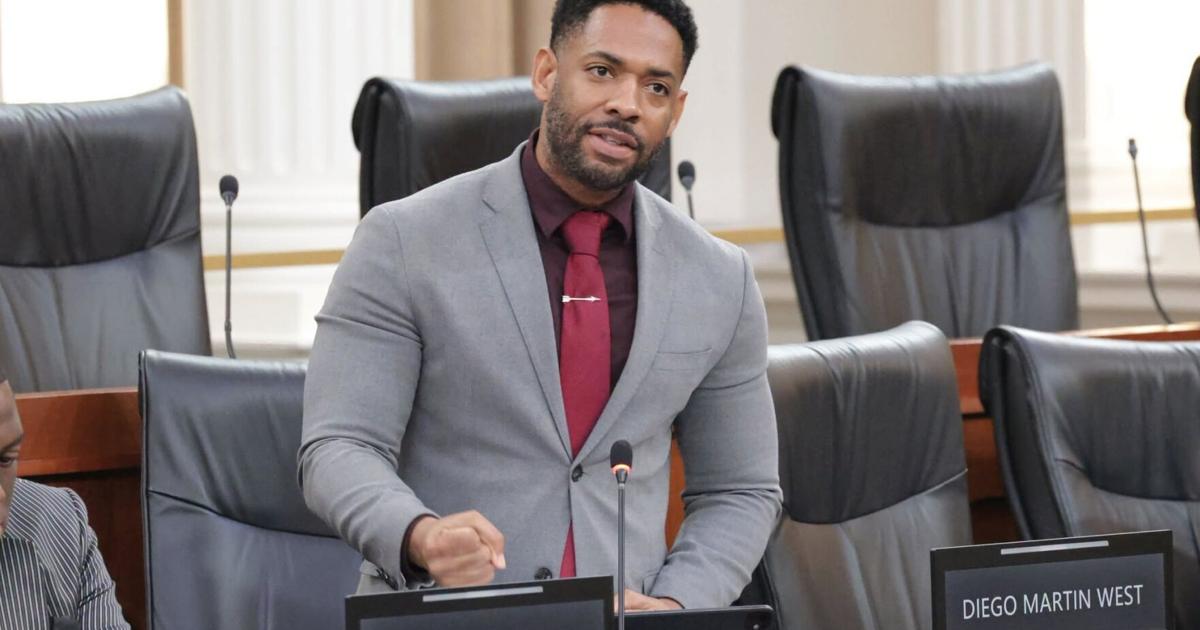
The debate over the measure unfolded during parliamentary discussions on the Miscellaneous Provisions (Alcohol, Cannabis, Dangerous Drugs, Gambling and Tobacco) Bill, 2026, when Hans Des Vignes, opposition Member of Parliament for Diego Martin West, laid out a series of pointed concerns about the planned amendment to Section 38 of the nation’s Children Act. Under the revised language, children aged 10 and older found in the specified prohibited circumstances would be formally charged with a criminal offense, and could receive the $50,000 fine if convicted through a summary proceeding.
Des Vignes raised a fundamental practical question: how could a child between 10 and 14 years old ever be expected to pay a fine of that magnitude. “A ten-year-old does not have $50,000,” he emphasized to the chamber. He argued that the proposed framework incorrectly frames at-risk children as criminals, when their situations actually point to unmet protection needs that the state should address, rather than punishment. He challenged the ethical and legal foundation of the policy, asking, “does this violate the UN Convention on the Rights of the Child, the legal principle of due process and basic decency for us as a society to criminalise a child, ten, 11, 12, 13, 14. $50,000?”
Additional criticism targeted a provision in the proposed Section 38 C2 that would allow authorities to issue the fine without requiring a parent or legal guardian to be present during the process, a rule that Des Vignes argued further undermines minor’s legal protections.
Notably, the opposition MP expressed clear support for one core component of the government’s bill: stiffer penalties for adult offenders who involve children in the drug and alcohol trade. The legislation outlines significant increases to penalties for adults who expose minors to dangerous drugs: under Section 35, the maximum penalty will jump from 27 months imprisonment to a combined $3 million fine and 15 years prison time, while penalties rise to $5 million and 30 years imprisonment in cases where the child suffers harm. The bill also increases penalties for adults who supply drugs to minors, or recruit children to sell, purchase or transport controlled substances.
Des Vignes acknowledged the logic behind harsher penalties for offending adults, stating “those criminals that use young people in this way should be penalised harshly.” Even so, he cast doubt on whether the steep penalty increases will actually serve as an effective deterrent for illegal activity in high-risk communities, asking “Even these increases sometimes, the question is, are they really deterrents in communities?”
Opposition Leader Pennelope Beckles echoed these concerns, specifically calling out the proposed $50,000 fine for minors found with alcohol, and questioned the government’s underlying motivation for the policy. Speaking to reporters outside the parliamentary chamber after the debate, she challenged, “Are they serious? Is this a revenue-generating measure?”
Beckles noted that this proposed fine hike comes as part of a broader series of penalty increases rolled out by the current government, and connected the move to a previous budget statement from Finance Minister Davendranath Tancoo, who announced the government aimed to raise $1 billion in new tax revenue last year. She asked, “Is it revenue generation, or is it that you genuinely care about social issues and young people?”
She slammed the proposed measure as overtly punitive, adding that the government failed to conduct meaningful public or stakeholder consultation before drafting the policy. She described the legislation as “another piece of legislation by vaps,” criticizing the government’s rushed, unplanned approach to lawmaking.