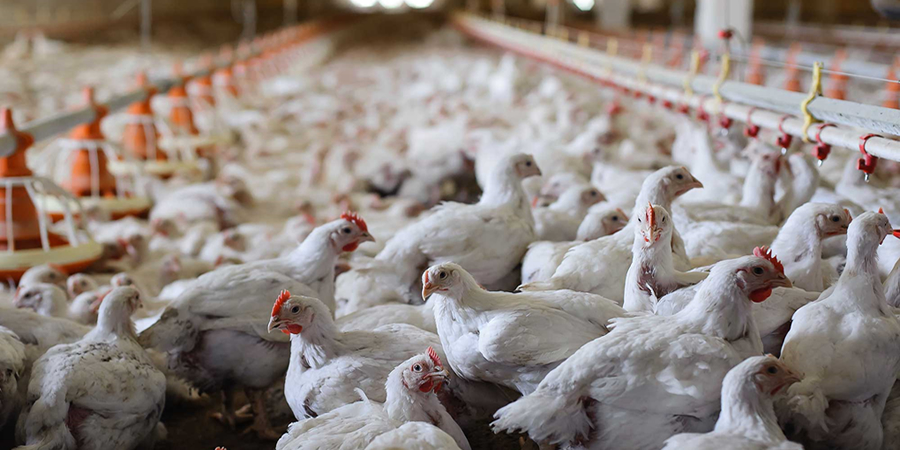
Guyana has activated a high-level alert for avian influenza, commonly known as bird flu, after an outbreak of the virus was confirmed in neighboring Suriname that has already killed 5,000 farm-raised chickens, with an additional 1,000 birds culled to contain the spread, Guyana’s Agriculture Minister Zulfikar Mustapha announced Wednesday.
Speaking in an interview with Demerara Waves Online News, Mustapha outlined the measures his administration has put in place to prevent the virus from crossing the border into Guyana. “We have established a robust response mechanism and a comprehensive surveillance system,” he said. “Regular inspections are being carried out at poultry farms across the country, and our teams are working around the clock to monitor for any signs of the virus.”
The minister also confirmed that he received official confirmation of the outbreak from the World Organisation for Animal Health (WOAH) this Wednesday, even though reports of the virus first emerged in Suriname two weeks ago. Suriname had previously notified WOAH, which is headquartered in France, of the outbreak, prompting the formal notification to regional neighbors. In addition to farm-level surveillance, Mustapha noted that enhanced quarantine checks are being conducted at border crossings, and a interagency monitoring committee is holding regular review sessions to assess the developing situation.
Across the border in Suriname, agricultural authorities have rolled out their own set of containment and monitoring measures. Suriname’s Ministry of Agriculture has deployed 20 agricultural extension officers to carry out daily inspections at poultry farms across the country, where they are conducting interviews with farmers and carrying out on-site assessments of flock health.
According to reporting from The Times of Suriname, viral samples have been sent to an overseas laboratory via the Pan American Health Organization (PAHO) to sequence the virus’s genetic makeup and identify its origin. Test results are expected in the coming weeks, and as of yet, the full viral subtype has not been confirmed.
Gianna Karg, Deputy Director of Suriname’s veterinary service, emphasized to The Suriname Herald that identifying the specific strain of the virus is a critical step in guiding the response. Karg explained that low-pathogenic avian influenza strains can be managed through close monitoring, while highly pathogenic variants carry a far greater risk: they are associated with extremely high mortality rates among domestic poultry and can pose severe disruptions to regional food supplies.
Public health and agricultural authorities across the region note that the most effective method for containing an existing outbreak of bird flu remains the culling of infected and exposed flocks, followed by the burial of carcasses under strictly regulated biosecurity conditions to prevent further spread of the virus.