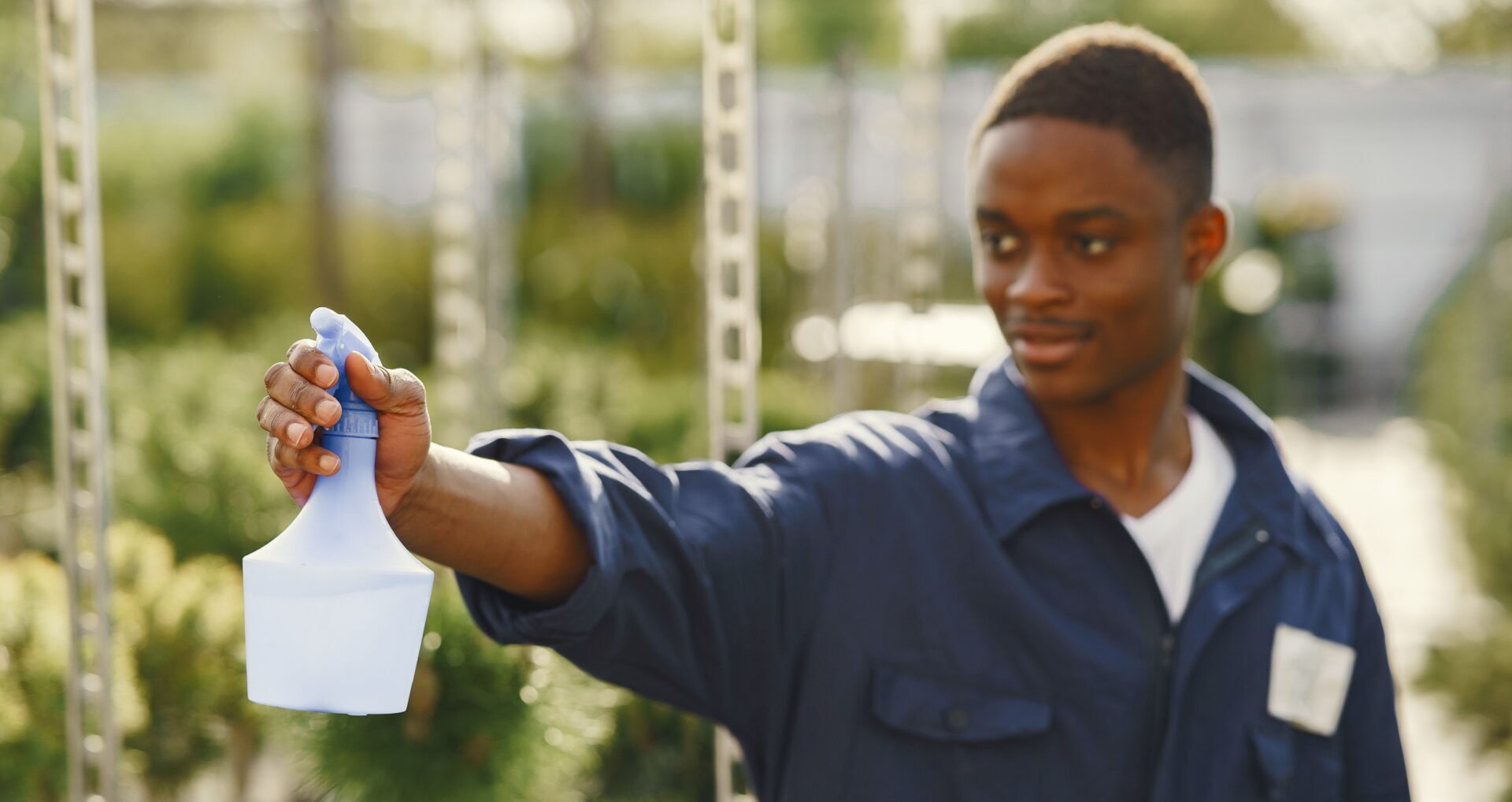
On September 28, 2026, the Pesticide Control Board operating under Dominica’s Ministry of Agriculture, Fisheries, Blue and Green Economy joined nations across the globe to observe International Pesticide Awareness Day, with a core focus on cutting the public health and environmental risks posed by Highly Hazardous Pesticides (HHPs).
This annual observance serves a dual purpose: to amplify public understanding of safe pesticide handling and responsible use across all settings – from commercial agricultural operations and small-scale family farms to residential yards and urban businesses – and to highlight the hidden dangers that improper application can create for both people and ecosystems. Agricultural communities, which rely on pest control to protect crop yields, are a central audience for this year’s awareness campaign, given their frequent and direct interaction with chemical pesticide products.
In line with the day’s goals, the Ministry of Agriculture is actively pushing for a widespread shift toward safer, ecologically sustainable pest control strategies across Dominica’s agricultural sector. A key alternative being promoted is Integrated Pest Management (IPM), a holistic approach that combines multiple targeted pest-control tactics – including biological pest control, crop rotation, habitat modification, and targeted mechanical removal – to slash reliance on synthetic chemical pesticides, while still keeping pest populations at manageable levels.
Ministry officials emphasize that advancing these sustainable practices is deeply tied to Dominica’s long-term national food security goals, as well as the country’s commitment to producing safe, high-quality agricultural products for both domestic consumption and international export. To support this transition, the ministry has maintained ongoing collaborative partnerships with a full range of stakeholders, from smallholder farmers and large agricultural producers to pesticide importers, retail distributors, and local community organizations. These partnerships focus on expanding public knowledge of proper pesticide management, and delivering hands-on training for safer application practices and alternative low-hazard pest control methods.
To protect domestic consumers and ensure compliance with international trade standards, the ministry also partners regularly with the Dominica Bureau of Standards to conduct routine testing of fresh local produce for pesticide residue. These tests verify that residue levels remain within the internationally accepted Maximum Residue Levels (MRLs) defined for safe human consumption, while also helping local producers meet the strict regulatory requirements for accessing export markets across the Caribbean and beyond.
As the 2026 observance draws to a close, the Ministry of Agriculture is issuing a clear call to action for all pesticide users, regardless of setting: take time to learn about the potential health and environmental risks of the products you use, strictly follow all approved safety protocols for application and storage, and prioritize less hazardous pest control alternatives whenever they are practical for your specific needs.