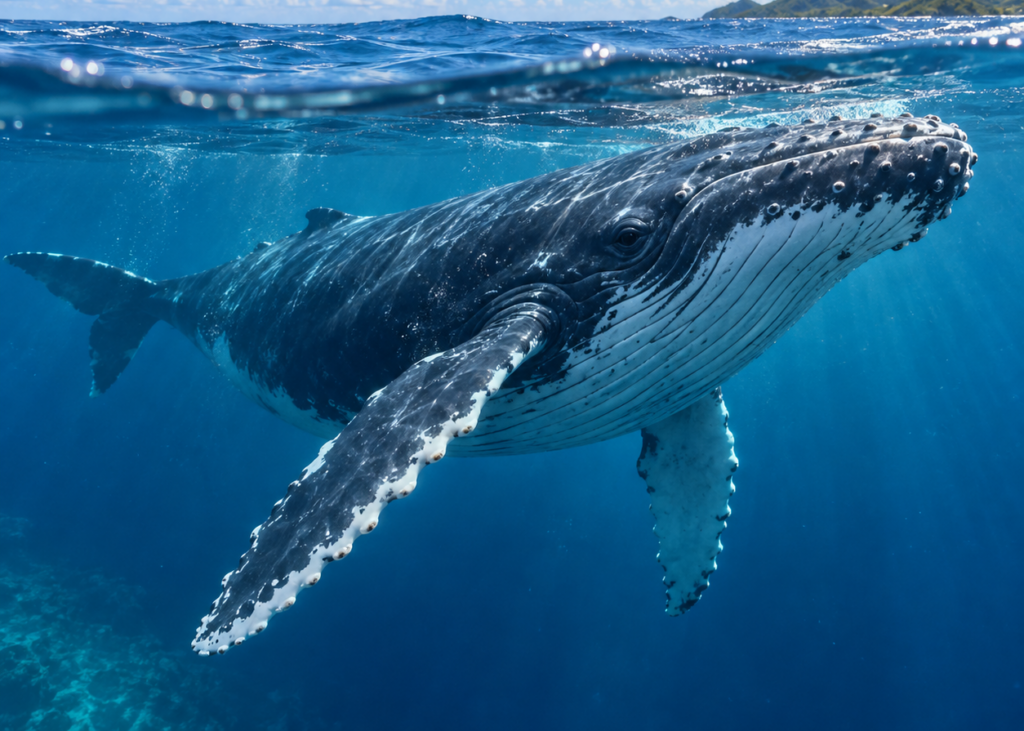
Against a backdrop of decades-long global division over whaling policy, the twin-island Caribbean nation of Antigua and Barbuda has made a clear call for international regulatory bodies to prioritize empirical scientific data over emotional public sentiment when shaping future rules for whale population management.
Addressing a recent international gathering focused on ocean conservation and marine biodiversity, representatives from Antigua and Barbuda emphasized that sustainable utilization of marine resources can only be effective when rooted in rigorous, peer-reviewed population assessments. For years, the country has defended limited, controlled aboriginal subsistence whaling as a cultural practice that supports small local fishing communities, arguing that well-monitored hunts do not threaten the overall stability of healthy whale populations.
The delegation pushed back against growing calls from environmental advocacy groups for an all-out global ban on all forms of whaling, noting that blanket prohibitions fail to account for divergent national circumstances and the latest scientific findings that show many whale species have rebounded significantly from historic over-hunting. Antigua and Barbuda’s stance reaffirms its long-held position that small island developing states must have a voice in global marine policy that balances conservation goals with the socioeconomic needs of coastal communities that have relied on ocean resources for generations.