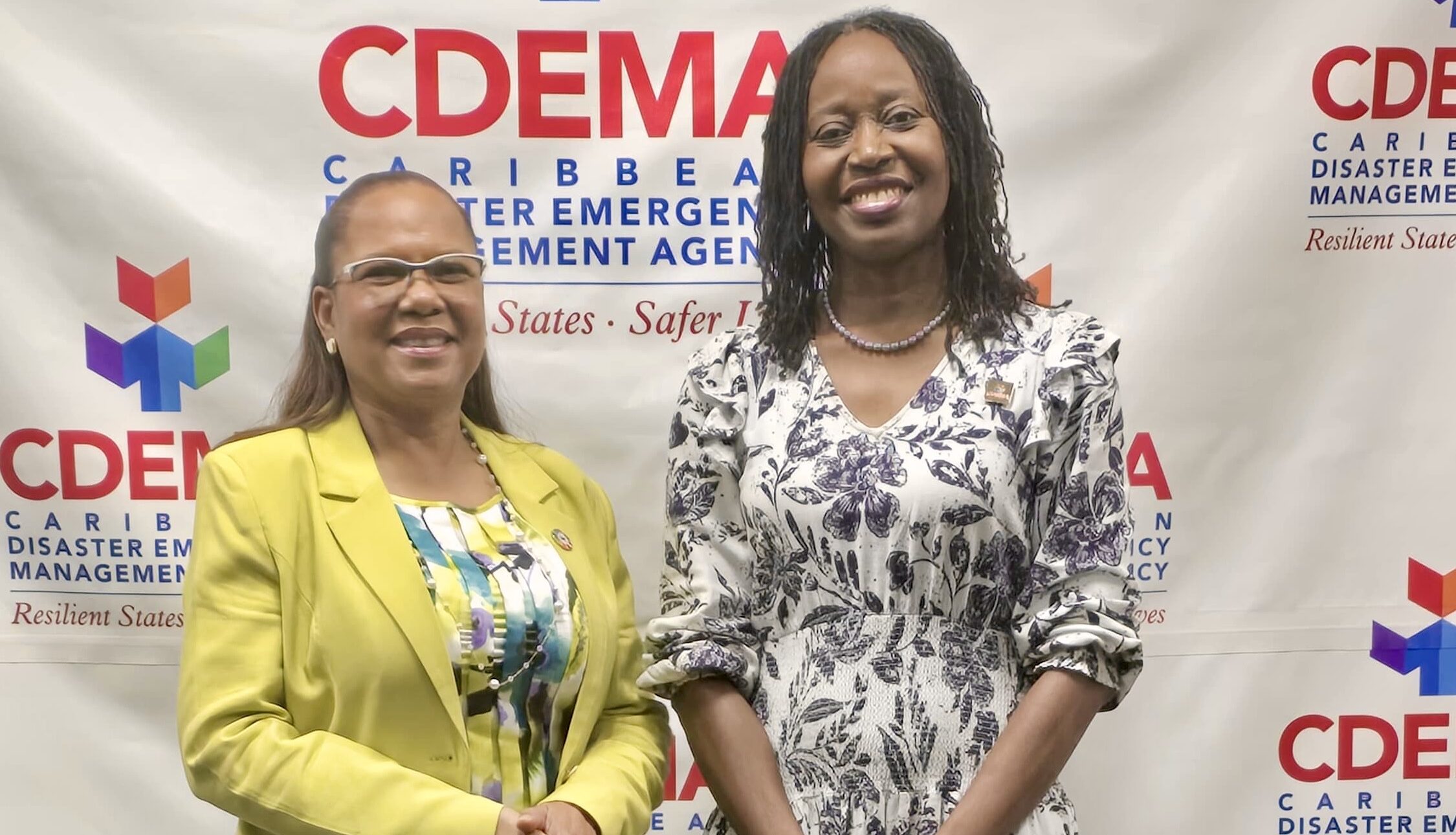
The Caribbean, long recognized as one of the globe’s most high-risk regions for natural hazards, is set to receive targeted support to improve its residential safety standards, after the Development Bank of Latin America and the Caribbean (CAF) greenlit a $200,000 technical assistance grant for the Caribbean Disaster Emergency Management Agency (CDEMA).
For decades, frequent extreme weather events including devastating tropical cyclones, flash floods, catastrophic landslides, and unforeseen seismic activity have destroyed residential neighborhoods, uprooted communities, and set back years of hard-won economic progress across the Caribbean’s small developing island nations. Unlike reactive post-disaster reconstruction efforts, this new 18-month initiative, the Regional Resilient Residential Construction and Reconstruction Project, prioritizes proactive risk reduction to strengthen the region’s existing housing stock, prevent preventable loss of life, protect personal property, and speed up social and economic recovery following future extreme events.
Built on the foundation of CDEMA’s existing Safer Building Programme, the project centers its work on the people and institutions that shape local construction practices across the region. Unlike large-scale infrastructure projects that focus only on physical builds, this initiative targets human capacity: technical assistance will directly reach local builders, trade artisans, independent construction contractors, and Technical and Vocational Education and Training (TVET) institutions across 19 Caribbean member states. Through hands-on targeted training and updated educational materials, the program will upskill current tradespeople in climate-resilient construction techniques, while supporting vocational colleges to integrate the region’s official Regional Code of Practice for Residential Construction into their permanent core curricula, creating long-term systemic change.
Beyond upskilling trade professionals, the initiative also aims to embed a culture of disaster preparedness across all layers of Caribbean society. A core component of the grant will fund public and institutional awareness campaigns to highlight the life-saving value of resilient housing standards. By engaging homeowners, local mortgage lenders, property developers, and national government policymakers, the project seeks to drive widespread adoption of certified, safer building practices for both public sector housing developments and private residential construction.
Dr. Stacy Richards-Kennedy, CAF’s regional manager for the Caribbean, emphasized that proactive risk management delivers far greater long-term value than post-disaster recovery. “Rebuilding after a disaster will always be necessary, but preparing before one strikes is where we can make the greatest difference,” she explained. “Resilience begins with the way residential infrastructure is designed and built. This aligns with CAF’s commitment to invest not only in resilient infrastructure projects, but also in knowledge, technical capacity and practices that will serve to reinforce a culture of disaster preparedness across the Caribbean. CAF is proud to partner with CDEMA and to provide technical assistance grant funding to support this important project to build more resilient communities.”
CDEMA Executive Director Elizabeth Riley echoed this focus on pre-emptive investment, noting that repeated climate disasters have underscored the urgent need to build local capacity to protect the region’s hard-won socio-economic development. “Every disaster reminds us that resilience is not built in the aftermath of an event, but through the decisions we make before it occurs,” Riley said. “Strengthening the way our homes and communities are designed and built is therefore a critical investment in protecting lives, livelihoods and our development gains.”
Riley also highlighted the critical role of cross-institutional partnerships in advancing long-term climate adaptation and regional safety. “CDEMA is pleased to be working with CAF to address these challenges by strengthening resilient construction practices, building technical capacity and promoting greater disaster preparedness across the Caribbean,” she said. “Partnerships such as this are critical to ensuring that our communities are better prepared to withstand the impacts of disasters and that the region’s development gains are protected.”