In a major policy address on September 17, 2026, Prime Minister John Briceño of Belize has laid out a sweeping, multi-billion-dollar national development agenda designed to cut household costs, upgrade critical infrastructure, expand energy independence and boost economic growth. However, even as the prime minister touts the transformative potential of his administration’s plans, Belizean citizens are left waiting for answers about accountability, implementation timelines and when they will see tangible improvements to their daily lives.
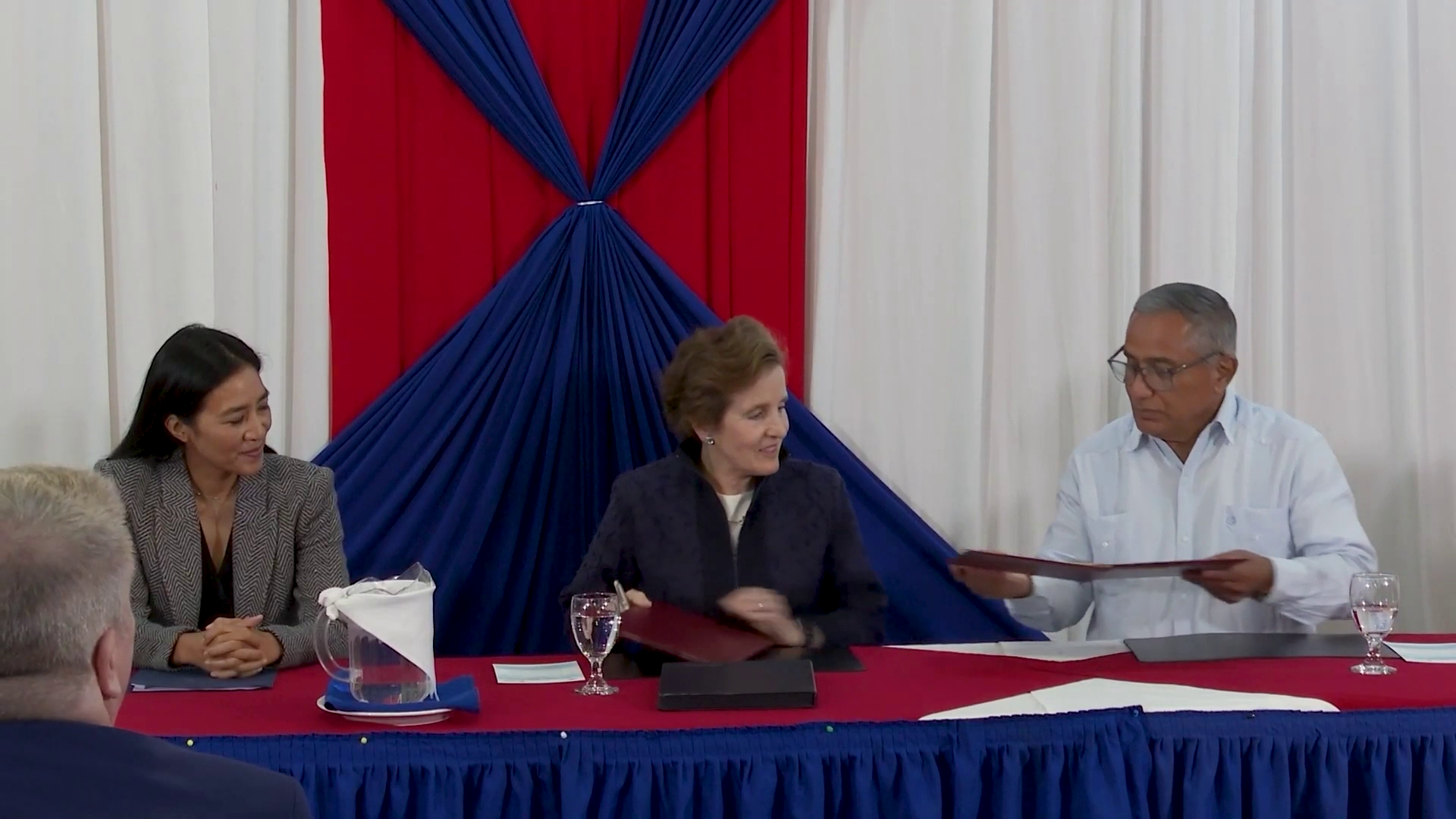
At the center of the government’s announced investment package is a $250 million grant-based Millennium Challenge Corporation (MCC) Compact, a partnership with the United States government that will direct funding specifically to two key sectors: energy expansion and public education. Briceño emphasized that this historic grant represents one of the largest targeted foreign investments in Belize’s recent development, separate from the administration’s existing national capital budget allocations. As negotiations and preliminary planning move forward, many local communities are already asking when these resources will translate to improved school resources, lower energy bills and new local jobs.
The single largest infrastructure project outlined in the agenda is a full redevelopment of the Port of Belize in Belize City, a project Briceño calls the largest infrastructure initiative in the nation’s history, with a projected total investment of more than $800 million. Construction is scheduled to break ground next year, and the planned upgrades include widening and deepening the marine access channel to Belize City, constructing modern, expanded cargo handling facilities, and building a new state-of-the-art gateway for cruise tourism vessels. According to the prime minister, the most immediate benefit for ordinary households will come from lower shipping costs for imported goods, which he says will translate directly to lower retail prices and put extra disposable income back into the budgets of working families across the country.
Beyond large-scale infrastructure and foreign-backed investment, the Briceño administration has already implemented one immediate policy change to ease cost-of-living pressures: an increase to the Pay-As-You-Earn (PAYE) income tax threshold. The new policy raises the tax-exempt income cap to $29,000 per year for resident employed workers, meaning any Belizean earning $29,000 or less annually now pays no income tax on that portion of their earnings. Official data shows the change has benefited 2,851 workers, putting a total of $2.6 million back into annual take-home pay – an average increase of more than $900 per worker per year. Still, many workers question whether this relief is enough to offset ongoing inflation and rising living costs across the country.
Completing the administration’s energy agenda is a new 160-megawatt domestic power generation project focused on expanding renewable energy capacity and moving Belize toward greater energy independence. The initiative will add 120 megawatts of utility-scale solar power generation paired with 40 megawatts of grid-scale battery storage, and construction is set to begin in the coming months. Briceño noted that six years ago, his predecessor had no national plan to expand independent domestic power generation, but his administration has already secured $127 million in fully committed financing from the Saudi Fund for Development and the World Bank to move the project forward.
Briceño’s administration has framed the full suite of initiatives as a generational opportunity to reshape Belize’s economic future, but public attention now turns to implementation. For most Belizeans, the success of these plans will not be measured by the size of the announced investment totals, but by whether the projects deliver on their promises: lower consumer costs, increased job opportunities, and tangible improvements to the quality of life for communities across the nation. As planning moves forward, residents continue to press for transparency around how funds will be managed, who will bear any outstanding costs not covered by grants and financing, and how the government will keep to its announced timelines. This reporting, by Paul Lopez for News Five, is a transcript of the outlet’s evening television broadcast.