Against the backdrop of escalating climate-driven water stress across the Eastern Caribbean, the island nation of Saint Lucia is putting the final touches on a targeted infrastructure project that will bring reliable water access to at least 20 of its most water-deprived primary and secondary schools. The initiative grew out of a crisis that left dozens of educational institutions without consistent water access for five consecutive days, prompting government agencies to collaborate on a solution rooted in new climate vulnerability research.
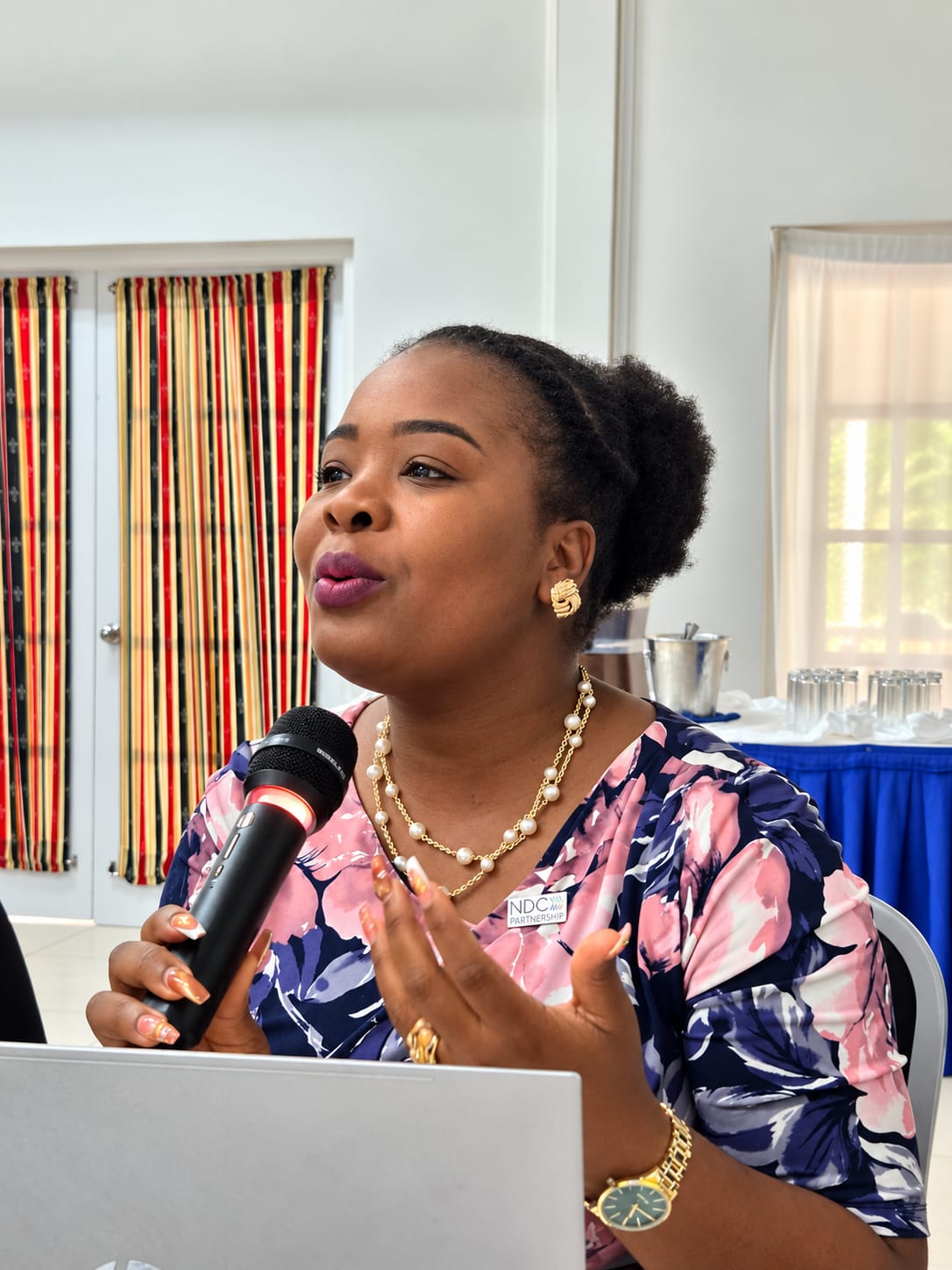
Onika Benn, in-country facilitator for the Nationally Determined Contribution (NDC) Partnership embedded within Saint Lucia’s Department of Sustainable Development, shared details of the proposal last Wednesday, following the regional launch of UNICEF’s landmark Child-Centred Climate Analysis for Building Resilience. The landmark report assesses climate risks and their disproportionate impact on children across six Eastern Caribbean nations, with Saint Lucia one of the core contributing countries.
Benn emphasized that actionable insights from the UNICEF analysis have already been integrated into government programming, starting with the urgent school water access project. “Many may not fully grasp the severity of the water crisis we are still navigating here in Saint Lucia,” Benn explained during post-launch discussions. “Multiple schools reported going a full five days without enough water to meet basic needs, which forced us to move quickly to address this gap.”
In response to the crisis, the Department of Sustainable Development partnered with the country’s Department of Education to design a targeted intervention focused on the hardest-hit regions. The finalised project concept will ensure all participating schools have a five-day reserve of water, delivered through a network of installed water storage tanks and solar-powered pumping systems that rely on renewable energy to operate, even during power outages linked to extreme weather. Financial and technical support for the initiative has already been pledged, and the project is moving toward implementation.
This school water project is just one component of a broader national effort to help Saint Lucia’s education sector build long-term resilience to climate-related hazards. The Department of Sustainable Development is currently advancing the second phase of its Green Climate Fund National Adaptation Plan readiness project, which will develop national data and child-inclusive climate indicators to build a case for targeted climate investment. A key focus of this next phase is expanding psychosocial support for children coping with climate stress, a gap highlighted in the UNICEF analysis.
Over the next two months, national officials will refine a full concept note to submit to the Green Climate Fund, covering three core priorities: strengthening education delivery during natural hazards, expanding training and psychosocial support services for students, teachers and school counsellors, and expanding sustainable water infrastructure across more educational institutions. This work is aligned with a pre-existing education sector adaptation strategy and action plan tailored to the specific needs of children and young people in Saint Lucia’s education system.
Beyond infrastructure and policy, Saint Lucia has prioritized centering youth voices in national climate action through longstanding collaboration with UNICEF. In 2023, UNICEF funded a national youth climate engagement project to ensure children and young people have formal representation in the country’s NDC process, with youth leaders designing the structure of their own participation. Benn highlighted the work of youth climate activist Kezia St Brice, who led a team of young advocates that visited schools across the country to deliver climate literacy education to more than 800 students. Following that outreach work, St Brice was selected to represent Saint Lucia’s youth at the United Nations Climate Change Conference held in Baku, Azerbaijan.