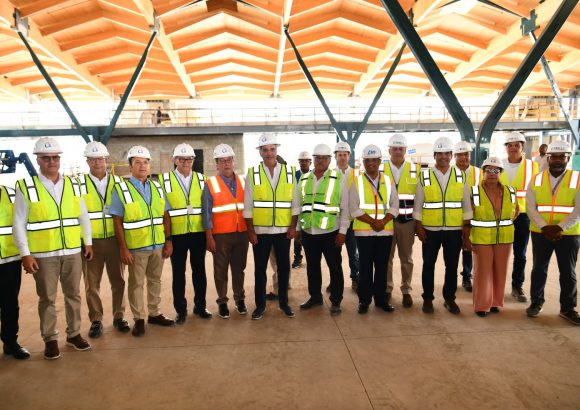
Dominican Republic President Luis Abinader recently conducted an on-site inspection of the ongoing expansion and modernization initiative at Cibao International Airport, located in the country’s northern city of Santiago. During his tour of the new terminal construction site, senior airport leadership walked the president through every key detail of the project, from its cutting-edge architectural design to current construction milestones and the full scope of work already delivered.
In remarks following the site briefing, Abinader emphasized the outsized strategic role the airport already plays in linking the economically vital Cibao region to global markets and travel routes, especially high-demand travel corridors connecting to major metropolitan centers across the United States. The head of state noted that the comprehensive upgrade will not only boost the facility’s total passenger throughput but also act as a foundational catalyst for long-term tourism growth and broad-based economic development across the entire northern region of the country.
Once fully completed, the new terminal is projected to double the airport’s current annual passenger capacity of roughly 2.3 million travelers, a jump that will dramatically strengthen air connectivity out of Santiago. The first phase of the multi-stage project carries a total investment price tag of more than $200 million U.S. dollars. According to Teófilo Gómez, the administrator of Cibao International Airport, structural construction for this initial phase is already 90% finished, putting the initiative solidly on schedule to meet its mid-2027 completion deadline.
Gómez added that the expansion will meaningfully boost the airport’s overall operational capacity, allowing the facility to accommodate the steady growth in passenger demand that the region has recorded in recent years. Abinader’s site visit was joined by members of the airport’s board of directors, senior operational leadership, and senior representatives from the Dominican Republic’s national aviation sector. Stakeholders broadly expect that once finished, the expansion will cement Santiago’s standing as a critical air travel hub for the Dominican Republic’s northern region and create the infrastructure needed to support continuing growth in both tourism and overall passenger traffic for years to come.