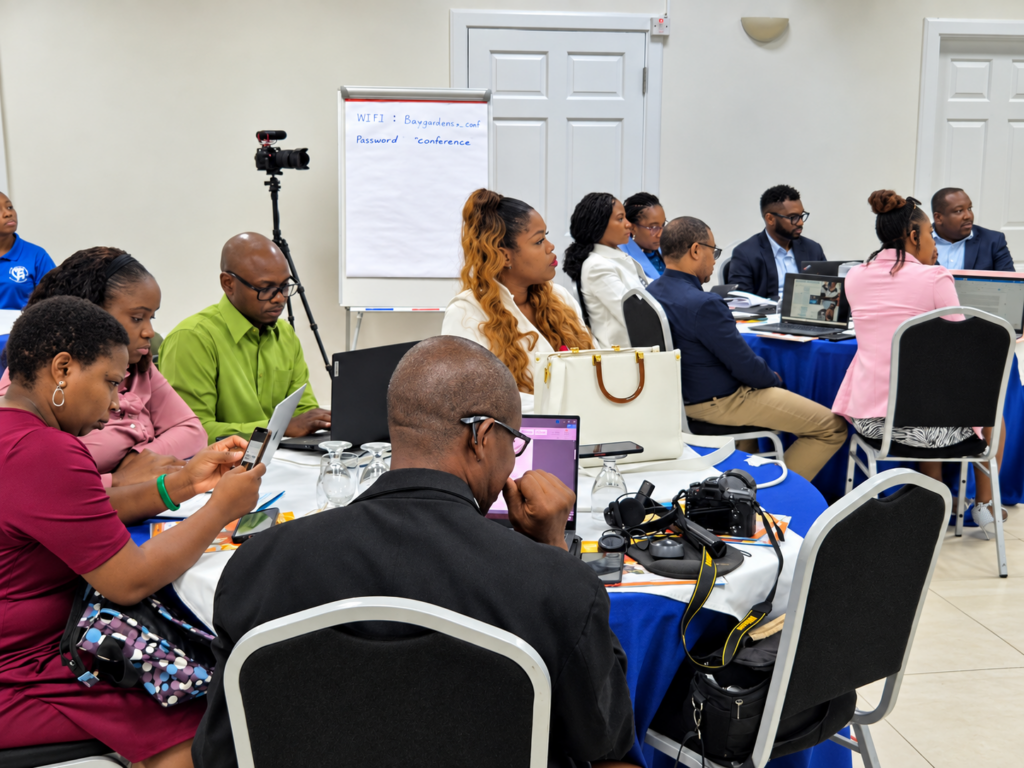
A groundbreaking child-focused climate risk assessment has delivered a stark warning for the Eastern Caribbean: already one-third of the region’s children live in zones vulnerable to at least three overlapping climate hazards, and that number is on track to surge to more than 90 percent by mid-century under current high-emissions trends. Released in 2026 following research completed in late 2025, the first-of-its-kind study was conducted by Meru Labs for UNICEF’s Eastern Caribbean Area Office, covering six island nations — Barbados, Dominica, Grenada, St Kitts and Nevis, Saint Lucia, and St Vincent and the Grenadines — and encompassing a total of approximately 176,000 children. This high-resolution spatial analysis combines historical climate data, mid-century climate projections, and local socioeconomic data to map risk specifically for children, their schools, critical health infrastructure, and supporting community livelihoods, filling a longstanding gap in regional climate research that has often sidelined child-specific vulnerability. Irina Bird Reddiar, a consultant researcher at Meru Labs who presented the findings at a resilience workshop hosted at Saint Lucia’s Bay Gardens, emphasized that no part of the region remains untouched by climate risk. “There is no safe zone in the region and the question is not whether children will be affected, but how severely and how often,” Reddiar stated. Beyond the headline projection, the study lays bare the current scope of risk: 100 percent of children, schools, and health facilities across the six study countries sit within 100 kilometers of the path of at least one Category Three or stronger hurricane recorded since 1980. Additionally, seven percent of the region’s children, 12 percent of local schools, and 22 percent of hospitals and clinics are located in low-elevation coastal zones less than 10 meters above sea level, leaving them directly exposed to accelerating sea-level rise, destructive storm surge, and chronic coastal erosion. The analysis also highlights dangerous overlapping risk patterns that exacerbate harm: peak annual heat and the Atlantic hurricane season both run from August to October, which coincides with the start of the academic year for regional schools, raising the chance of immediate learning disruptions at the opening of each school term. Researchers detail the cascading harms that climate shocks inflict on children beyond immediate physical danger, ranging from school closures, learning loss, and higher dropout rates to increased illness, childhood malnutrition, psychosocial distress from displacement and trauma, and long-term reduced lifetime earnings due to interrupted education and unstable childhoods. The study’s findings were presented at the opening of a two-day workshop in Saint Lucia organized jointly by UNICEF and the Caribbean Disaster Emergency Agency (CDEMA), which brought together regional journalists and public information officers to build capacity for covering climate change, disaster risk, and child-specific impacts. Keith Goddard, CDEMA communications specialist who spoke on behalf of CDEMA Deputy Executive Director Kester Craig, said the findings reinforce an urgent need for the region to shift its longstanding disaster management approach away from purely post-event response and toward proactive, pre-disaster risk mitigation. “Our regional disaster management system cannot focus only on responding after an event. We must increasingly anticipate risk, understand its social consequences and use evidence to guide decisions before disaster strikes,” Goddard explained. He added that the new analysis provides actionable data to help regional governments and development partners target investments to the communities and services where children face the greatest risk, and upgrade the resilience of schools and critical public infrastructure. “When a disaster damages a school, a child loses more than a building. They can lose access to education, a safe space, social support and a sense of normalcy,” Goddard said. He also challenged participating journalists to translate the study’s complex technical data into accessible public knowledge and drive collective action, noting that media play a critical role in centering vulnerable groups like children in broader climate conversations. In total, the study outlines 49 targeted recommendations to cut child-focused climate risk, spanning pre-disaster anticipatory action, immediate post-disaster support for children and families, long-term investments in climate-resilient infrastructure and livelihoods, and reforms to climate and disaster financing frameworks. Clive Murray, UNICEF Programme Specialist, framed the launch of the research as a starting point for action rather than a conclusion to the research process. “The evidence is now before us. Our task is to use it to strengthen policies and systems, invest in anticipatory action, build more resilient services, and mobilise climate financing that puts children at the centre,” Murray said. Lisa Jawahir, Minister of Agriculture, Fisheries, Food Security and Sustainable Development of host nation Saint Lucia, echoed the call for urgent translation of findings into policy and investment. “We must move from evidence to policy, from policy to investment, and from investment to measurable improvements in the lives of our people,” Jawahir said. She also pushed back against framing children as only passive recipients of aid, emphasizing their critical role as active participants in building long-term regional climate resilience. “Their voices matter. Their security matters. Their ideas matter, and of course their future matters,” she added. Maryam Abdu, UNICEF Eastern Caribbean Area Office Representative, reinforced the call for increased investment in climate adaptation, resilient schools and health systems, stronger social protection, and targeted resourcing for the highest-risk communities. “Data must lead to decisions. Decisions must lead to investment, and investment must lead to greater resilience for people and communities,” Abdu said. Echoing Jawahir, she stressed that children must be included in all climate decision-making processes, noting that they have a unique and direct stake in the choices made today. “They bring ideas, they bring urgency, and they bring a clear stake in the decisions we make today. Nothing about their future should be decided without listening to them. A resilient Caribbean begins with resilient children. Let us place them at the centre of our climate response. Let us invest in their future. And let us act with the urgency this crisis demands.”