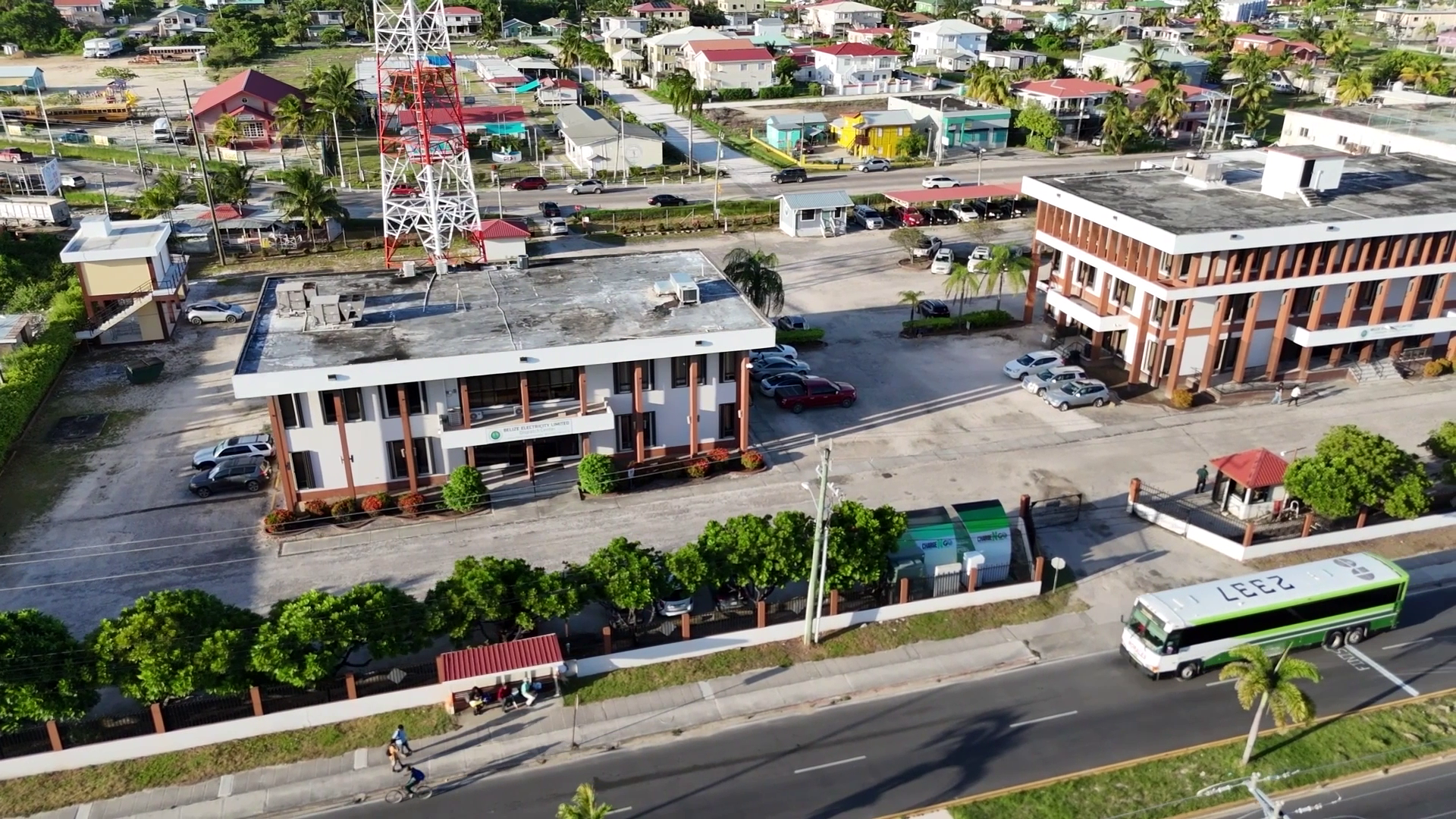
For decades, Belize’s national energy grid has relied heavily on imported electricity from neighboring Mexico to meet domestic demand. But recent widespread rolling blackouts, triggered by growing instability in Mexico’s own power supply, have laid bare the critical vulnerabilities of this long-standing arrangement, pushing the Belizean government to roll out an aggressive strategy to boost domestic renewable energy generation.
In his 2026 State of the Nation Address, Prime Minister John Briceño announced that a recently declared five-year national energy emergency would clear regulatory barriers to allow Belize Electricity Limited (BEL) to fast-track the development of large-scale utility solar projects paired with utility-grade battery storage infrastructure. Under the immediate plan, the country will add 30 megawatts of new solar generation capacity, supported by five-hour duration battery storage, with all construction completed by June 2027. For the longer term, the government has set a target of deploying 120 megawatts of total solar capacity and 40 megawatts of battery storage across the country.
Briceño emphasized that the push for domestic generation does not mean Belize will cut its energy ties with Mexico. Government officials clarified that imported power will remain a core component of Belize’s energy mix for the foreseeable future, even as the country builds out its own capacity to insulate itself from sudden supply shocks from across the border.
Dr. Leroy Almendarez, CEO of Belize’s Ministry of Public Utilities, explained that global geopolitical instability, including ongoing conflict in the Middle East, has added extra volatility to global energy prices, which in turn affects the cost of power Belize imports from Mexico. “There are certain factors outside of our control that can disrupt both the reliability and affordability of imported power, which makes building out our own domestic capacity a critical national priority,” Almendarez noted.
In addition to its utility solar buildout, the government is conducting a preliminary feasibility study into a potential grid interconnection with neighboring Guatemala to expand import options, but officials stressed that no final decision to purchase power from Guatemala has been made. The pre-feasibility study is focused on assessing the engineering practicality, reliability, and cost implications of interconnection for Belizean energy consumers, with no concrete plans for power purchasing currently on the table.
Belize’s long-term energy goal is to become a net energy exporter, eventually able to sell surplus domestic solar power through the Central American regional SIEPAC power grid, which connects electricity systems across the isthmus. Beyond utility-scale projects, the government also supports the expansion of residential and commercial private solar systems, with provisions allowing system owners to sell unused excess power back to the national grid to help boost overall domestic supply.
As the country moves forward with its accelerated solar buildout, energy analysts and policymakers are now watching closely to see whether the ambitious timeline will deliver on its core promise: strengthening Belize’s energy security and preventing the disruptive blackouts that have exposed the risks of overreliance on imported energy.