Against a backdrop where most terminally ill cancer patients on the island rely entirely on private home-based care, the Barbados Association for Cancer Advocacy (BACA) has launched an ambitious capital campaign to construct the country’s first dedicated 14-bed inpatient hospice, setting an initial fundraising target of $3.8 million. So far, the organization has secured $250,000 in seed funding to kickstart the project, though leadership warns that final construction costs could climb higher amid sustained regional inflation and rising building material prices.
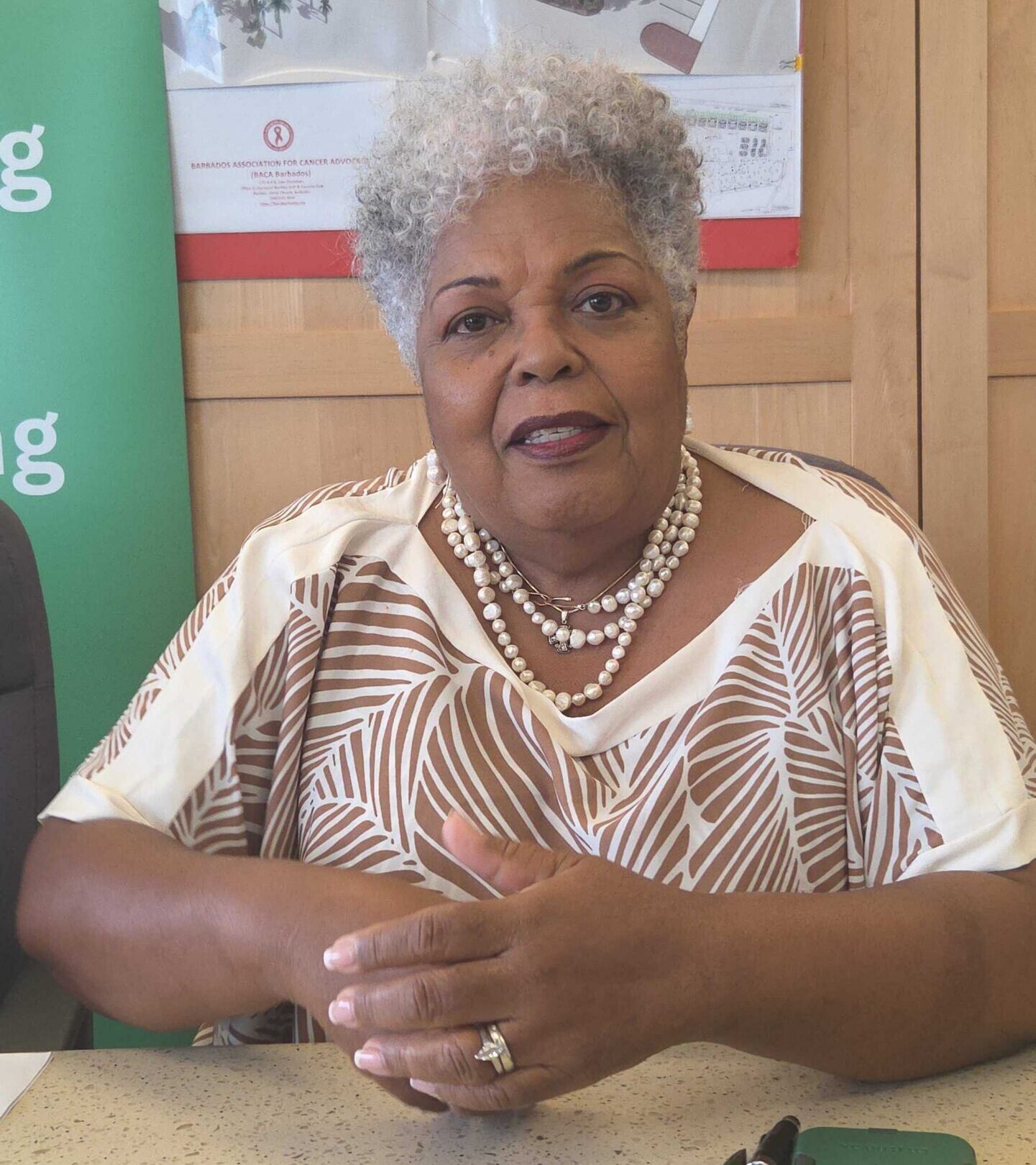
BACA Chairperson Jessica Odle-Baril shared details of the plan in an interview with Barbados TODAY, explaining that the original preliminary estimate for the build was $3.8 million, drawn from standard construction calculations for a facility of that size. But persistent monthly increases in local construction costs have cast uncertainty over the final budget, with Odle-Baril noting that projections could shift as the project moves forward. “We started with a $3 million baseline based on average square footage for a 14-bed facility, but building costs in Barbados keep going up every month,” she said. “Our accountant will adjust the final figure once all inputs are calculated, and I’m hopeful we won’t need to push the target as high as $5 million.” The $3.8 million target currently in place only covers construction of the physical building shell, not full interior outfitting and medical equipment. Odle-Baril explained that the organization has already secured key donations of medical equipment, including two hospital beds and a cutting-edge modern wheelchair, which will be allocated to the facility once construction is complete. These donations are not included in the current fundraising target, as the group’s immediate priority is raising enough capital to break ground on the structure.
The project timeline also faces headwinds from tight labour market conditions currently impacting Barbados’ booming construction sector. Odle-Baril noted that high demand for skilled construction workers across the island means the build will likely take at least two years to complete, with the organization targeting a groundbreaking at the start of the coming year. Alongside navigating construction challenges, the organization has recently undergone leadership changes to accelerate fundraising efforts. Odle-Baril confirmed that BACA’s co-chairman recently passed away from cancer while receiving treatment in the United States. In his place, the group has added two new trustees, bringing fresh energy and new strategic perspectives to expand fundraising channels and speed up the capital campaign.
Right now, palliative and end-of-life care for most terminally ill Barbadian patients is delivered through in-home services run by the partner organization the Barbados Association for Palliative Care, which is chaired by Deiann Sobers, who also serves as a trustee on BACA’s board. Odle-Baril emphasized that BACA fully supports the work of the in-home care program, and the existing network of partner groups is already meeting immediate patient needs while the hospice is being developed, including lending donated equipment like hospital beds to families currently caring for loved ones at home.
However, in-home care is not a sustainable or accessible solution for all families, Odle-Baril stressed. While most patients express a preference to pass away at home, many households lack the physical space to accommodate medical equipment like hospital beds, and 24/7 private in-home palliative care is financially out of reach for most families. A dedicated inpatient hospice solves both problems: care costs are spread across multiple patients, the facility relies heavily on volunteer staff to keep overhead low, and all patients have access to the space and specialized support they need to remain comfortable in their final days.
Beyond the new hospice build, BACA is also launching a broader patient mapping initiative to assess gaps in cancer care across Barbados’ public health system, including the specialized cancer wards at the country’s main Queen Elizabeth Hospital. The project will track the full care journey of patients to identify bottlenecks and unmet needs, from diagnosis through end-of-life care. Odle-Baril noted that public health services often face delays accessing critical supplies and services due to fixed budget constraints, not negligence, and the mapping data will help the organization advocate for targeted improvements to support patient comfort and outcomes.
The group is also working to expand support for cancer survivors, who often face long-term physical side effects from aggressive life-saving treatments like chemotherapy. Odle-Baril highlighted that many survivors struggle to adjust to post-treatment bodily changes, and BACA aims to raise public awareness that recovery is possible and help survivors access the ongoing support they need to regain quality of life.