As the Caribbean nation of Antigua and Barbuda pursues broad expansion of its tourism sector — including growing air access, expanding cruise ship operations, increasing hotel inventory, and attracting new tourism-focused investment — government leaders have announced a landmark national tourism carrying capacity study. The goal of this groundbreaking research is to answer a critical question: how much additional visitor growth can the small island nation support without compromising the environmental, social, and economic foundations that make it a top global travel destination.
The upcoming assessment will conduct a comprehensive review of key systems that underpin the country’s tourism industry, from popular beaches and natural attractions to public infrastructure, local communities, and fragile natural resources. Researchers will evaluate whether current systems can absorb additional visitor volumes without eroding the quality of life for Antigua and Barbuda’s residents or diminishing the unique, high-quality experience that draws travelers to the islands.
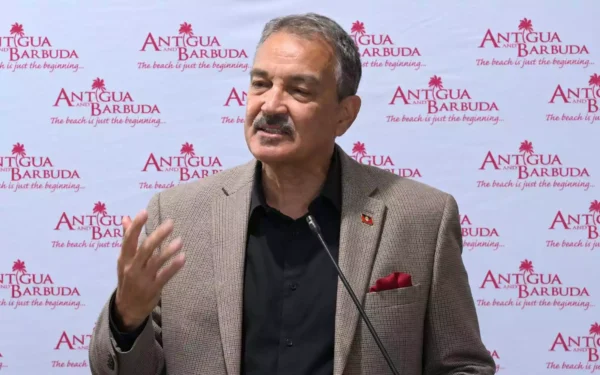
Speaking on the policy shift, tourism minister Charles Fernandez emphasized that the country’s tourism strategy can no longer center solely on growing raw arrival numbers. Instead, he argued, policymakers must prioritize attracting higher-spending, higher-value visitors while implementing measures to ensure a larger share of tourism revenue circulates within and benefits the local economy, rather than leaking out to foreign-owned entities.
Fernandez also stressed that as the tourism sector expands, protecting Antigua and Barbuda’s irreplaceable natural environment, distinct cultural heritage, and important historical assets must remain a non-negotiable priority. These assets are the core of the country’s tourism brand, he noted, and their degradation would undermine long-term industry success.
To diversify the national tourism portfolio and reduce reliance on seasonal leisure travel, Fernandez identified the meetings, incentives, conferences, and exhibitions (MICE) segment as a high-potential growth area. Developing the MICE market would help attract visitors during traditional off-peak periods, smoothing revenue fluctuations and creating more stable, year-round employment for local workers.
Looking ahead, the minister emphasized that the long-term success and sustainability of Antigua and Barbuda’s tourism sector will depend on coordinated collaboration across a wide range of stakeholders. This includes national and local government bodies, tourism regulatory agencies, international airlines, hotel operators, ground transport providers, tour companies, local small businesses, and the communities that host millions of visitors each year.
Above all, Fernandez reiterated that Antigua and Barbuda is committed to pursuing sustainable, climate-resilient tourism growth, rather than chasing unchecked increases in visitor numbers at the expense of the country’s long-term well-being.