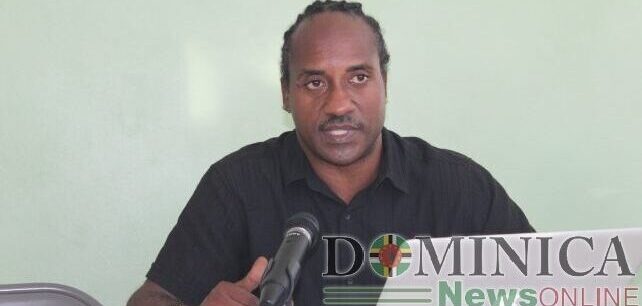
As the Eastern Caribbean Collective Organisation for Music Rights (ECCO) prepares to distribute more than EC$1.7 million in royalties to rights holders across the Organization of Eastern Caribbean States (OECS), the organization’s Dominica board director Daryl Bobb is issuing an urgent appeal to local musicians and creators: formalize your work registration to unlock the full financial benefits of your creativity.\n\nScheduled for September 23, 2026, the upcoming royalty payout covers all royalties collected throughout 2025 from regional music use cases including public broadcasting, carnival celebrations, general public performances, and live events. The distribution also includes foreign royalty income remitted to ECCO by international sister copyright societies and the Mechanical Licensing Collective. Under the payout allocation framework, 55% of the total sum will go directly to ECCO’s registered members across the OECS, while the remaining 45% will be transferred to foreign sister societies to compensate international creators whose works are used within ECCO’s jurisdiction.\n\nDespite the overall size of this distribution, Bobb says Dominican creators stand to receive only a tiny fraction of the member-allocated funds. The issue, he explains, stems from two interconnected challenges: extremely low compliance with copyright registration requirements among local creators, and a large share of Dominican music makers who have not joined any collective copyright management organization at all. Currently, ECCO counts just 41 registered members from Dominica — a number that leaves most local creators locked out of rightful royalty earnings.\n\nBobb emphasized that ECCO’s sole core mission is to collect and distribute royalties on behalf of music creators, and that taking simple proactive steps can deliver lifelong financial benefits to artists and rights holders. He urged all Dominican creators to register their works with ECCO or another relevant rights management organization, maintain detailed records of all public performances of their work, and actively pursue placement of their music through licensed media platforms, licensed live events, and licensed commercial establishments that legally obtain music rights.\n\nTo tackle the systemic issues of low registration and compliance, ECCO plans to host targeted public consultations across the region, starting in Dominica, to build greater public understanding of how the royalty collection and distribution system operates for independent creators.\n\nBeyond encouraging creator action, ECCO is also calling on OECS national governments to strengthen existing copyright protection frameworks and update outdated national legislation. The organization notes that ongoing royalty collection growth is hampered by widespread non-compliance among commercial music users — including broadcasters, retail and hospitality businesses, and event organizers that regularly play music without purchasing the required copyright licenses. Updating legislation and improving enforcement, ECCO argues, will create a more sustainable and equitable ecosystem that allows music creators to earn a living from their work across the Eastern Caribbean.\n\nFor Dominican artists in particular, Bobb’s message is clear: creating music is only the first step. Formal registration, accurate documentation of performances, and intentional use of licensed distribution channels are critical to ensuring creators are compensated every time their work generates economic value.
Daryl Bobb urges Dominican artists to register their work to benefit from ECCO royalties