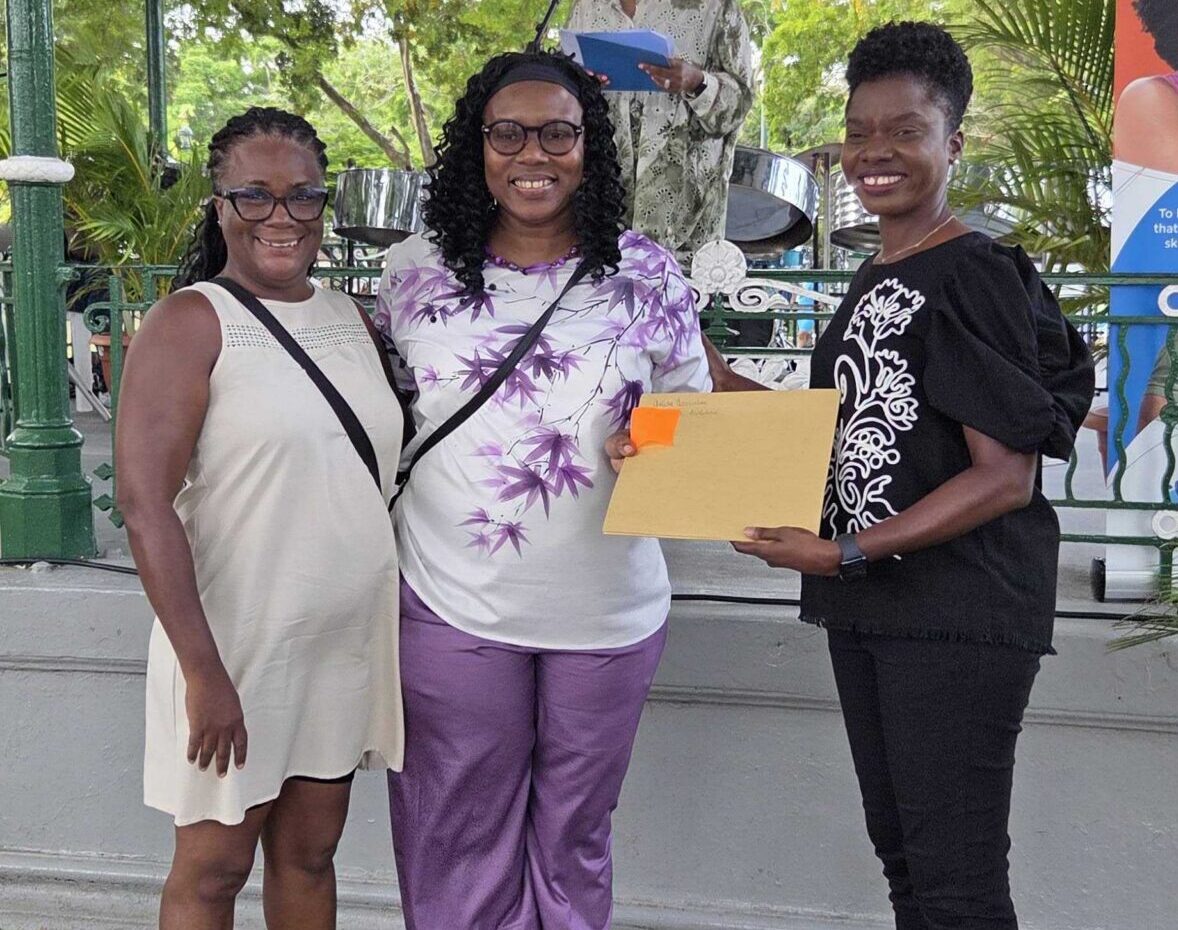
On a recent Saturday at Bridgetown’s iconic Queen’s Park Rotunda, a diverse group of 40+ parents and caregivers crossed a meaningful milestone, crossing the stage to mark their completion of Barbados’ first ever Parent Education Programme (PEP). The gathering included representatives from the national autism association and multiple local faith-based church groups, all united by a shared commitment to becoming stronger, more intentional caregivers for children across the island.
The graduation ceremony centered a critical, often underdiscussed pillar of national education: the foundational role that stable, informed home environments play in driving healthy child development and long-term educational success. Chief Education Officer Dr. Ramona Archer-Bradshaw led official remarks, commending participating caregivers for their dedication to completing the rigorous six-session curriculum.
Dr. Archer-Bradshaw explained that the PEP initiative, which is funded through a partnership with the Inter-American Development Bank, grew out of on-the-ground observations from school attendance officers. Those frontline education workers identified a widespread, unaddressed gap in accessible, evidence-based parental guidance across Barbados, and pushed for the creation of a structured programme to fill that need.
In her address to graduates, Dr. Archer-Bradshaw emphasized that participation in the programme should not be seen as a final achievement, but rather the start of an ongoing, high-impact investment in their families. “Even before our children can read a book, they learn to read the faces of their parents and their guardians,” she said. “You are your child’s most important teacher. Every hug matters, every kiss matters, every boundary matters, and every bedtime story matters.”
The PEP curriculum was intentionally designed to tackle the unique, modern everyday challenges that Barbadian families navigate. Programme content specialist Fabian Sargeant praised participants for their willingness to be open and vulnerable about their parenting struggles, a step that runs counter to long-held cultural norms of traditional Barbadian pride, which often discourage public discussion of domestic challenges.
Sargeant noted that the curriculum was not a one-size-fits-all imported framework, but a meticulously researched, needs-aligned programme developed after extensive consultations with local teachers, students, and child psychologists. “Our young people struggle tremendously, and we parents, we are their anchors,” Sargeant told the crowd. “An anchor must be strong; it must be sturdy, and that is what PEP is about. It is about building that strength to help guide and navigate your children through their developmental stages in a rapidly changing world.”
Programme co-ordinator Dr. Terrie Blackman echoed that perspective, pointing out a widespread societal gap: while modern communities invest heavily in preparing people for formal education and professional careers, there is almost no structured, formal preparation for the work of raising children. She added that PEP has already successfully filled that gap, equipping participating parents with evidence-based knowledge and hands-on practical skills that change how they approach daily parenting. Rather than simply reacting to challenging child behavior, graduates now have the tools to act with intentional, proactive strategy that supports long-term development.
Beyond the formal curriculum content, Dr. Blackman highlighted the community power of the programme, noting that peer connection often drives the most meaningful change for caregivers. “Sometimes the most powerful learning does not come from a presentation or a workbook,” she explained. “It comes from hearing another parent say, ‘I understand. I went through that too.’”