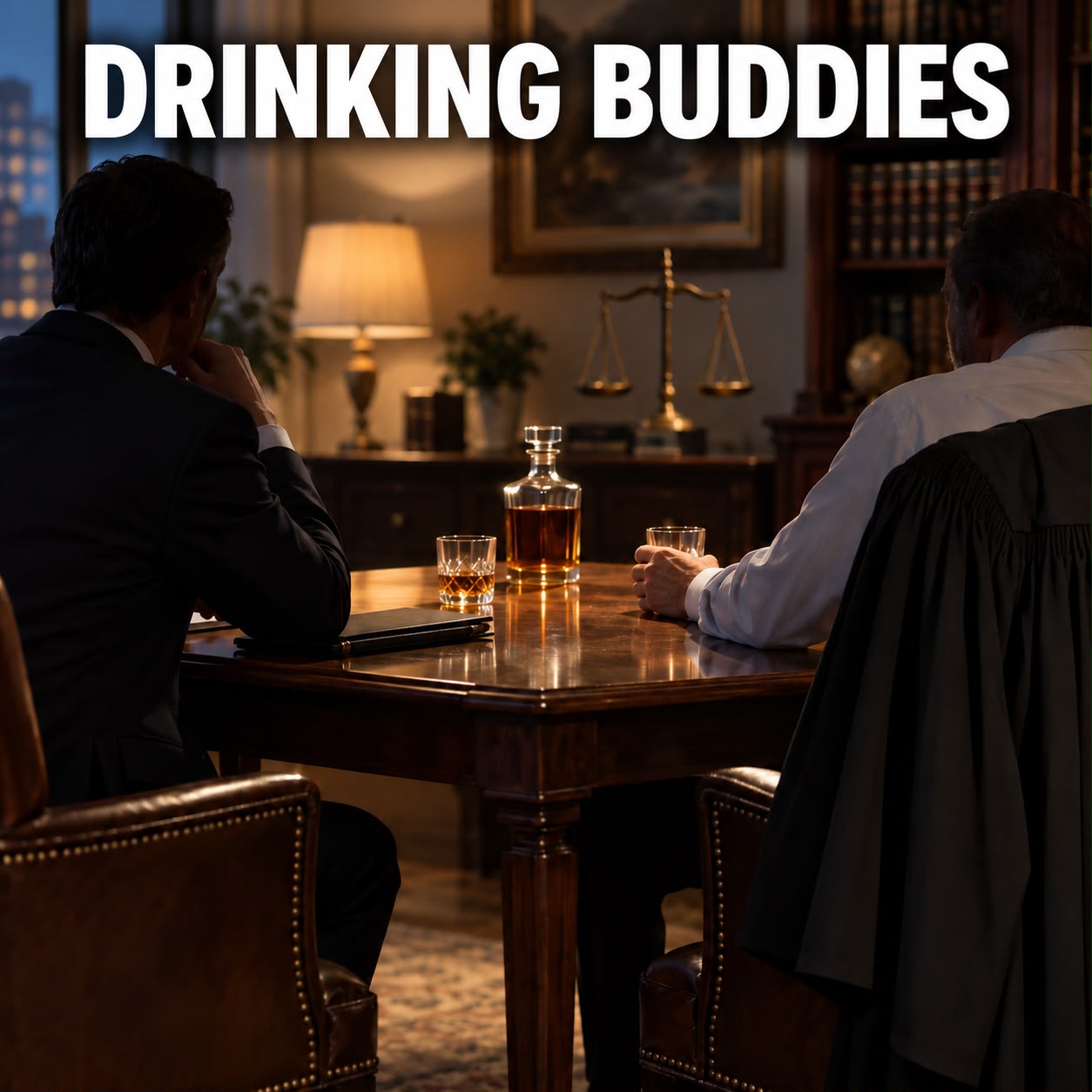
In a controversial public appearance over the weekend, Antigua and Barbuda Prime Minister Gaston Browne has brought explosive unsubstantiated allegations against segments of the country’s legal and judicial community, claiming improper personal ties between some lawyers and sitting judges have opened the door to inappropriate influence over judicial outcomes.
Speaking during his regular broadcast program, the *Browne and Browne Show*, this past Saturday, Browne laid out specific claims about off-the-clock interactions between legal practitioners and members of the judiciary. He asserted that some lawyers regularly make private visits to judges’ personal residences, where they share alcoholic beverages — including rum and whiskey — building social connections that he argues allow these attorneys to sway judicial decisions to some degree.
Notably, the prime minister stopped short of naming any of the lawyers or judges he referenced in his remarks, and he offered no concrete documentary or testimonial evidence to back up the serious allegations during the on-air address.
Browne’s accusations are the latest development in an ongoing public campaign he has waged against the sentencing practices the Antigua and Barbuda judicial system currently uses for violent and sexual offenses. For weeks, the prime minister has publicly argued that a subset of judicial officers hand down excessively lenient sentences that fail to match the gravity of serious crimes, sparking heated debate over the separation of powers between the government and the country’s independent judiciary.
To address what he frames as a systemic failing, Browne confirmed Saturday that the governing administration intends to table legislation introducing mandatory minimum sentences for a slate of specified offences when the national parliament convenes for its next session in October.
The prime minister has repeatedly pushed back against critics who argue his public criticism of judicial sentencing amounts to inappropriate interference in active individual cases. He maintains that his goal is not to meddle in specific ongoing matters before the courts, but rather to apply broad public pressure on the justice system to adopt tougher, more proportionate sentencing practices that align with public concern over serious crime.