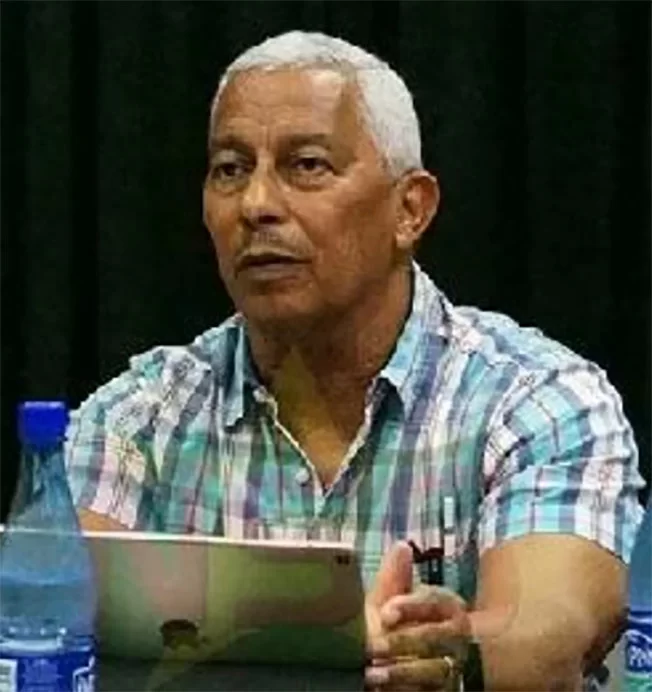
A long-running regulatory gap in the fishing sector between Suriname and Venezuela has finally been addressed through a new bilateral agreement, but the head of Suriname’s leading seafood industry body says neither government can claim credit for resolving a problem that was left unattended for nearly two decades.
Udo Karg, who serves as both president of the Suriname Seafood Association (SSA) and CEO of local fishing enterprise SUVVEB N.V., laid out the context of the new deal in a recent statement, explaining that the original permits authorizing Venezuelan fishing vessels and crews to operate in partnership with Suriname expired all the way back in 2007. For 19 years, neither government moved to formalize an extension or restructure the existing arrangement, leaving the legal status of the involved parties in limbo. Karg placed a disproportionate share of responsibility for the delay on Venezuela, noting that Caracas shared an obligation to ensure the arrangement remained legally up to date.
“In the signing of this agreement, there is actually no credit to be gained, not by Suriname and also not by Venezuela,” Karg stated, adding that the issue had dragged on for far too long even after the European Union raised concerns about the unclear regulatory status.
Importantly, Karg pushed back against public misinterpretations of the new deal, clarifying that the expiration of original permits does not mean Venezuelan fishermen have been operating illegally in Suriname’s waters since 2007. For nearly two decades after the original permits lapsed, the crews and vessels have continued working under contract for Surinamese fishing companies, carrying out day-to-day fishing operations in exchange for payment and making consistent contributions to Suriname’s domestic seafood economy.
Karg emphasized the critical distinction between the unresolved legal status of the arrangement and the legitimate on-the-ground work the Venezuelan crews have performed for years. The new agreement only addresses the former gap: it formalizes the existing, long-standing arrangement rather than opening Suriname’s waters to 200 entirely new foreign fishermen, a narrative that has sparked unnecessary public controversy, according to Karg.
He acknowledged that the Surinamese government contributed to public confusion by failing to communicate the details of the deal clearly and accurately, leading many observers to incorrectly assume the agreement represented a sudden, new opening of Suriname’s fisheries to Venezuelan workers. Against this backdrop, Karg said calls for establishing a separate catch quota specifically for the 200 Venezuelan fishermen are misinformed, as the quota system already applies to the Surinamese companies that employ these crews, making an additional separate quota unnecessary and misaligned with how the arrangement actually operates.
Karg’s explanation aligns with official clarification already released by Suriname’s Ministry of Agriculture, Livestock and Fisheries, which has also pushed back against the misinterpretation that the deal adds 200 new Venezuelan fishermen to Suriname’s fishery. For all parties, the agreement is ultimately just a long-overdue correction of a regulatory oversight that should have been resolved by both governments nearly 20 years ago.