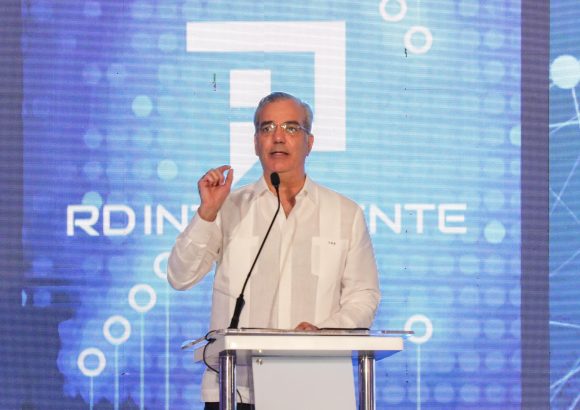
On a Thursday event held in Santo Domingo, Dominican Republic President Luis Abinader officially unveiled RD Inteligente, an ambitious national artificial intelligence literacy initiative designed to close the digital skills gap by training 1 million local residents in foundational and practical AI applications. This government-led project, implemented through the Technological Institute of the Americas (ITLA), centers on democratizing access to AI education across all segments of Dominican society, positioning the country to adapt to the shifting demands of a fast-growing digital global economy.
At the launch ceremony, Abinader emphasized that AI literacy should not be an exclusive skill reserved for specialized technology professionals. Instead, he argued, AI tools and knowledge should be available to every citizen, regardless of their occupation or background. “We don’t want to turn a million Dominicans into programmers. We want a million Dominicans to be better at what they already know how to do,” the president explained, framing the program as a tool to enhance existing professional capabilities rather than retrain the entire workforce for new tech roles.
RD Inteligente is designed to serve a broad cross-section of Dominican society, with outreach targeting groups ranging from secondary and tertiary students, job seekers, and small business owners to public sector employees, working professionals, K-12 educators, national security and defense personnel, parents, and the general public. The curriculum will focus on applying AI to core areas of daily life and work, including formal employment, academic learning, and small business entrepreneurship.
José Ignacio Paliza, Dominican Minister of the Presidency, noted that artificial intelligence has transitioned from a distant futuristic concept to a transformative current technology that is reshaping how people across the globe work, learn, launch new ventures, and address everyday challenges. Paliza highlighted the progress the Dominican Republic has already made under its existing National Artificial Intelligence Strategy (ENIA), including the development of the local Center of Excellence in Artificial Intelligence (CEIA-RD). He added that growing interest from major global technology firms such as Google and NVIDIA serves as clear confirmation of the country’s expanding potential as an attractive hub for tech investment, innovation, and specialized AI talent development.
Ultimately, the program’s broader mission is to strengthen national digital competitiveness, foster more inclusive economic growth, and build a robust knowledge-based economy that can leverage AI to benefit all Dominican citizens, rather than leaving large portions of the population behind in the global AI transition.