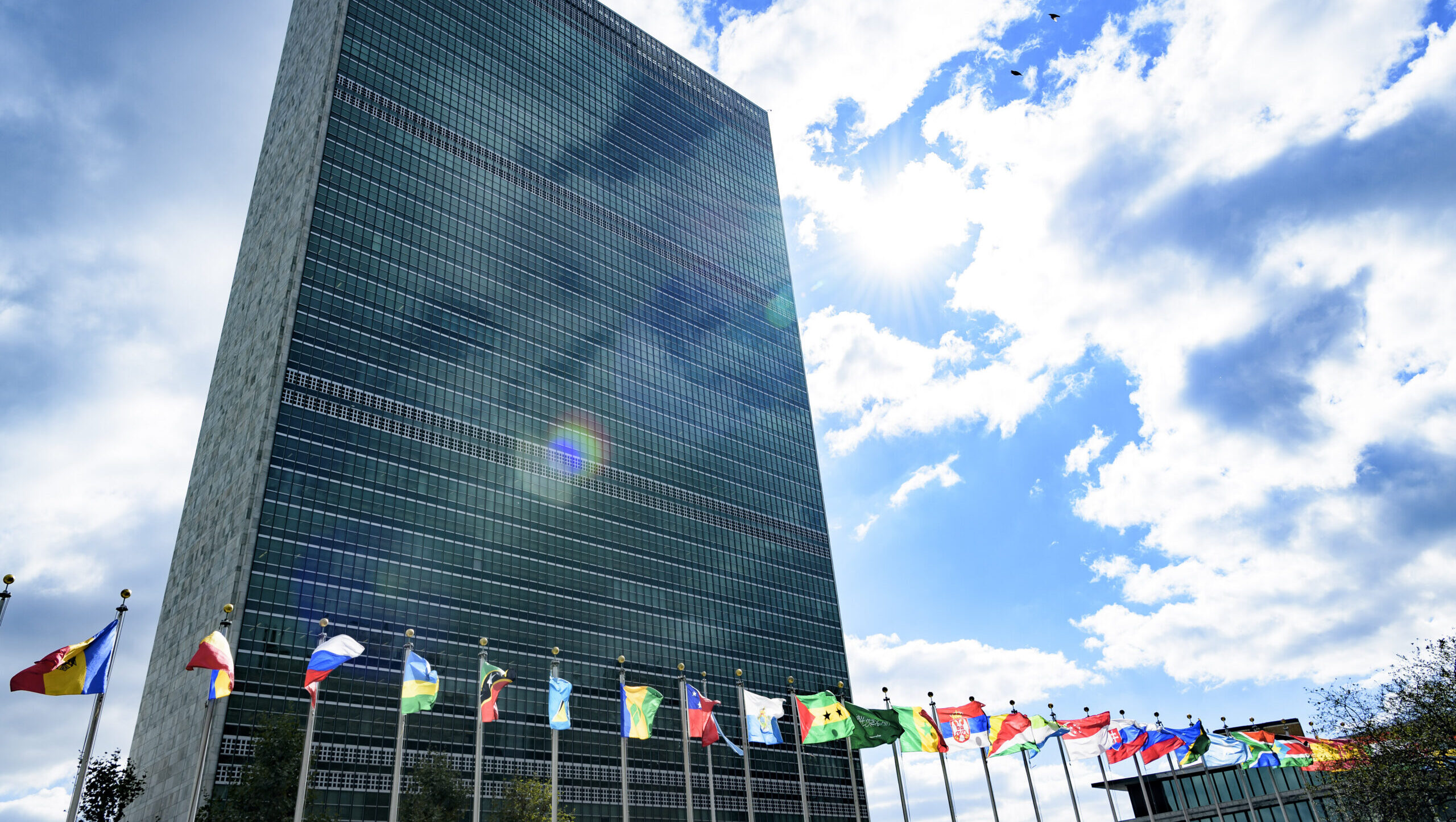
The United Nations has launched a landmark four-month regional initiative across the Caribbean to dismantle systemic barriers that exclude persons with disabilities from the workforce, kicking off the campaign by honoring a cohort of local disability rights trailblazers, including Saint Lucian advocate Nody Gilbert.
Dubbed the HireAbility Campaign, the effort operates under the guiding slogan “Break Barriers. Embrace Inclusion. Champion Rights”, with a core mission to embed disability inclusivity in workplaces across the region and expand economic access for disabled people. At the official launch, Simon Springett, United Nations Resident Coordinator for Barbados and the Eastern Caribbean, publicly recognized Gilbert and seven other leading advocates from across the Caribbean for their sustained work advancing disability rights. The honorees include Joshuanette Francis from Antigua and Barbuda, Barbados Senator Janeel Odle, Rena Pierre-Thomas and Deansha Edwards from Grenada, Roosevelt Howee from St Kitts and Nevis, and Tharā Gabriel and Matthew Williams from Trinidad and Tobago.
Beyond elevating grassroots advocates, the campaign has also earned early buy-in from the Caribbean private sector, with Massy Stores Saint Lucia among the first local businesses celebrated for its proactive leadership in building inclusive work environments.
Rooted in the core principle that disability never equals inability, the HireAbility Campaign challenges employers across the region to shift their hiring perspectives: instead of centering impairment, they are urged to prioritize the unique skills, education, professional experience, creativity and grit that disabled candidates bring to teams. Springett framed the initiative as a critical turning point for disability inclusion across the Caribbean, noting that while the specific barriers disabled people face vary by national context, the end goal is universal.
“Although barriers differ across countries, the aspiration is universal: persons with disabilities must be able to participate fully in society, access decent work, contribute their talents and skills, and be recognised for those contributions,” Springett said in remarks at the launch.
The campaign is aligned with the UN Convention on the Rights of Persons with Disabilities, the 2006 international treaty that enshrines equal opportunity for disabled people and calls for the removal of systemic barriers to full societal participation. A key framing of the initiative pushes back against common misconceptions: UN organizers emphasize that systemic societal exclusion, not individual disability, is the single largest barrier to equitable employment and inclusion for disabled people across the region.
To deliver lasting change, the HireAbility Campaign brings together a broad coalition of stakeholders, including UN country teams, national governments, employer associations, disabled people’s organizations, youth advocates and development partners across both English- and Dutch-speaking Caribbean nations. A central action of the campaign invites businesses to formalize their commitment to change by signing the Disability Inclusive Employer Pledge, which commits signatories to equitable hiring practices and intentional work to build more inclusive workplace cultures.
The four-month campaign will run through the International Day of Persons with Disabilities on December 3, when the initiative will culminate in collective action to highlight progress. At its core, the UN’s ultimate vision for the effort is to build a Caribbean where all talent is valued, systemic barriers are eliminated, and disabled people can participate fully and equally in every part of the world of work.