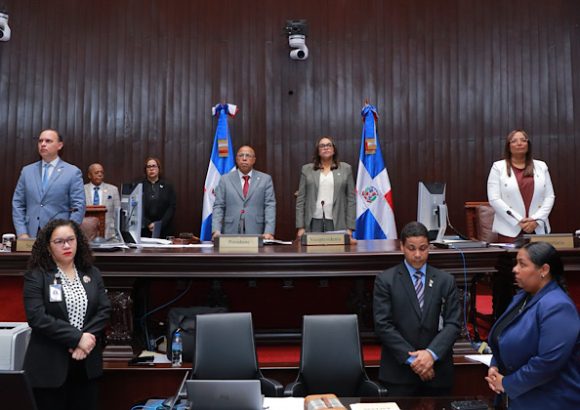
On Tuesday, lawmaker in the Dominican Republic took a significant step toward reshaping the nation’s pre-university education landscape, approving a landmark bill in its second reading that would embed Morality and Civics as a required core subject for all students across the country.
The legislation, which has now moved to the Dominican Senate for its review and voting, centers on securing a consistent, permanent space for civic education in every classroom, rather than leaving its inclusion up to the discretion of individual school administrations. Curricular guidelines outlined in the bill prioritize key learning areas: comprehensive analysis of the national Constitution, foundational education on human rights, and education around the meaning and significance of Dominican national symbols.
Beyond core academic content, the policy also has broader societal goals: to nurture a widespread culture of peace, foster respectful and productive social coexistence across diverse communities, encourage active and informed democratic participation among young people, and cultivate a sense of responsible citizenship from an early age.
Proponents of the bill argue that adding mandatory civics and ethics instruction will strengthen the overall quality of Dominican education, filling a critical gap by complementing traditional academic coursework with targeted learning about the rights, duties, and civic responsibilities that come with Dominican national membership. If the Senate passes the measure and it is signed into law by the executive branch, it will mark a permanent shift in how the country prepares young people for engaged participation in public life.