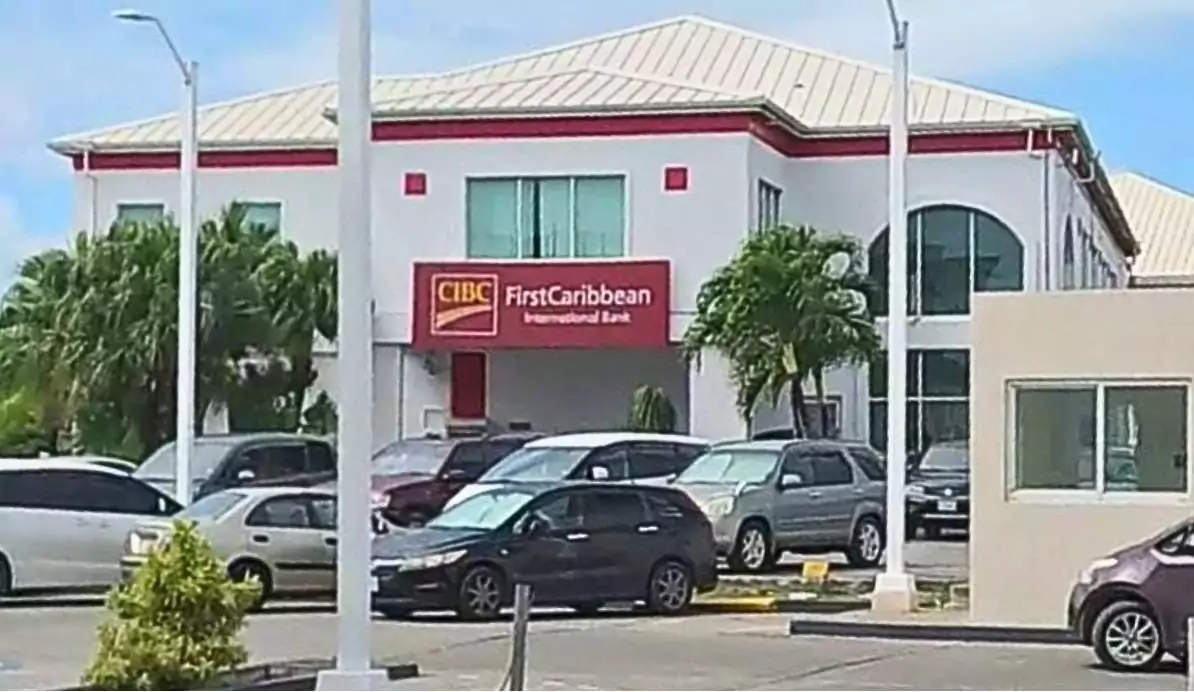
In a recent public appearance on the *Browne and Browne Show*, Gaston Browne, Prime Minister of Antigua and Barbuda, has publicly stated he will not actively back a potential acquisition of FirstCaribbean International Bank (FCIB) by a domestic financial entity, citing serious risks of excessive consolidation in the country’s banking sector. According to Browne, an undisclosed local bank has already approached his government with an unusual request: to revoke FCIB’s existing banking license, a move that would clear the path for the domestic institution to purchase FCIB’s local operations. The prime minister has chosen not to release the name of the institution that made this request, and no concrete details of the proposed deal—including a formal offer, agreed purchase price, or structured acquisition timeline—have been made public to date. While Browne emphasized that he remains a committed supporter of expanding local ownership across Antigua and Barbuda’s banking industry, he stressed that growing market power among a small cohort of domestic banks would carry dangerous consequences for consumers and market competition. “As much as I’m a proponent for local ownership, I’m very concerned about any further concentration of the market,” he told listeners during the broadcast. Browne also pulled back the curtain on longstanding service quality issues plaguing many of the nation’s local banks, calling out common consumer pain points such as frequently empty automated teller machines, exorbitant service fees, and a widespread reluctance among domestic lenders to issue credit to consumers and small businesses. He warned that allowing further consolidation through the acquisition of FCIB would create large, entrenched financial institutions that face little competitive pressure to upgrade their service standards for customers. Contrary to the push for domestic acquisition, Browne noted that larger multinational banks, such as the Bank of Butterfield, are capable of offering a range of specialized financial services that smaller domestic players are often unable to provide, most notably critical support for trade-related instruments like letters of credit that underpin local business activity. Importantly, the prime minister clarified that his opposition is not an outright block on the deal: he has no intention of legally preventing a domestic institution from moving forward with the acquisition, but he will not campaign for the transaction, use government influence to facilitate it, or provide any active support for the proposal. “As much as I said to them that I would not block them from acquiring it, I would not actively promote it,” he reaffirmed during the program.
PM Browne Says He Would Not Actively Support Domestic Banks Acquiring FCIB