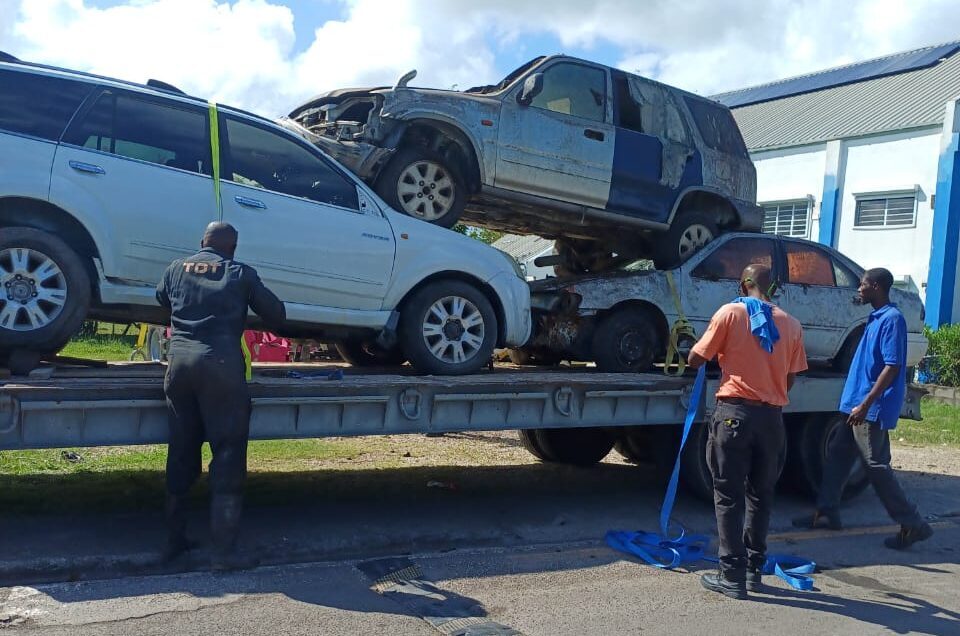
Municipal code enforcement teams are pressing forward with a coordinated, months-long initiative to remove abandoned and derelict vehicles from city streets, residential neighborhoods, and public right-of-ways across the region. The campaign, launched earlier this year in response to growing complaints from local residents, targets vehicles that have been left immobile for extended periods, often creating navigational hazards for pedestrians and drivers, attracting illegal dumping, and dragging down neighborhood property values.
Local code enforcement officials confirmed this week that teams have already removed more than 320 unclaimed vehicles since the initiative began, with work scheduled to continue through the end of the calendar year to clear remaining flagged vehicles. Under the city’s current regulations, vehicle owners are given a 14-day public notice period to move or register their immobile vehicles before removal teams are dispatched. Impounded vehicles are held for an additional 30 days to allow owners to reclaim them, after which unclaimed units are sold at auction or sent to licensed junkyards for environmentally responsible recycling.
Community leaders have voiced widespread support for the effort, noting that derelict vehicles have long been a top quality-of-life concern for residents in many working-class neighborhoods. Many residents have reported that abandoned cars often become gathering spots for unauthorized activity, collect standing water that can breed mosquitoes, and block access to curb ramps for people with mobility disabilities. City officials added that the ongoing removal work also creates additional space for legal on-street parking, a critical benefit in dense urban neighborhoods where parking is already at a premium.
Moving forward, the city plans to implement a new weekly reporting system that allows residents to easily report suspected derelict vehicles through a dedicated mobile app and city website, with a 48-hour response window for code officers to inspect flagged vehicles. Officials noted that the ongoing removal campaign is not just a one-time cleanup effort, but part of a broader long-term strategy to maintain clean, safe public spaces across all city neighborhoods.