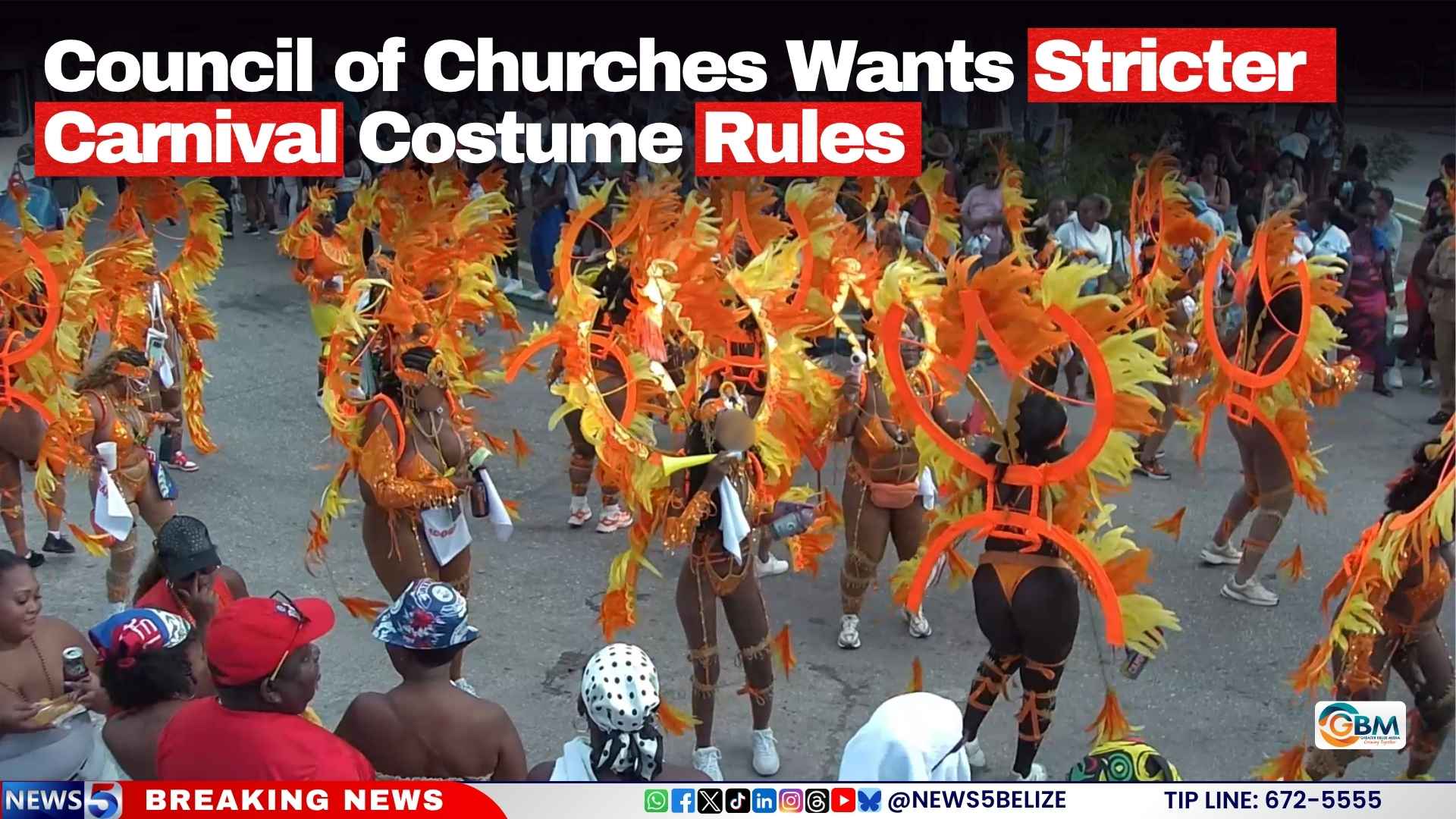
In the wake of Belize’s 2026 annual Road March, a prominent faith-based collective has launched a public call for clearer, more enforced rules governing Carnival participant attire, sparking new conversation around cultural tradition and public standards in the Central American nation.
The Belize Council of Churches, in an official statement released September 7, 2026, opened by emphasizing its longstanding respect for Carnival as a cornerstone of Belizean cultural identity. The organization acknowledged that the annual celebration stands as a showcase for national creativity, artistic expression, and community connection, bringing joy and shared experience to multigenerational families across every region of the country. It explicitly noted that its request does not aim to weaken the beloved tradition, nor diminish the skill, musical talent, and handcrafted artistry that make the Carnival event a highlight of the national calendar.
Even as it affirms its support for the celebration, however, the Council says it feels obligated to address a growing concern that has been building among segments of the Belizean public: in recent years, a growing number of Carnival participants have worn increasingly revealing attire and engaged in conduct that falls outside widely accepted standards of public decency.
The group stresses that public celebration and upholding standards of public decency are not incompatible goals. The council argues that modest clothing is far from a rejection of festive energy; rather, it represents a core expression of both self-respect and respect for the broader community that gathers in shared public spaces during the event. It also called on all stakeholders to consider the example that current norms set for young people, as well as the broader global and domestic image of Belize that is projected during the high-profile national celebration.
To address these concerns, the organization has put forward three key targeted recommendations. First, it is calling on Carnival organizing bodies to implement clearer, enforceable costume standards, with a particular focus on events that include minor participants. Second, it urges parents to use careful judgment when deciding whether their children will participate in festivities and what levels of exposure to overly revealing attire they will allow. Finally, it asks all Carnival participants to strike a balance between the vibrant, bold energy that defines the celebration and long-held community standards of decency.
Beyond these recommendations, the Council has also issued a formal appeal for collaborative dialogue, inviting representatives from the Belizean government, national cultural institutions, and independent Carnival organizing committees to meet and discuss potential path forward that can preserve the cultural value of Carnival while addressing public concerns.