Against a backdrop of growing public anxiety over sexual violence, particularly against children, the government of Antigua and Barbuda has announced a landmark policy shift to open its national sex offenders registry to far broader public access, including publication of offenders’ names and photographs.
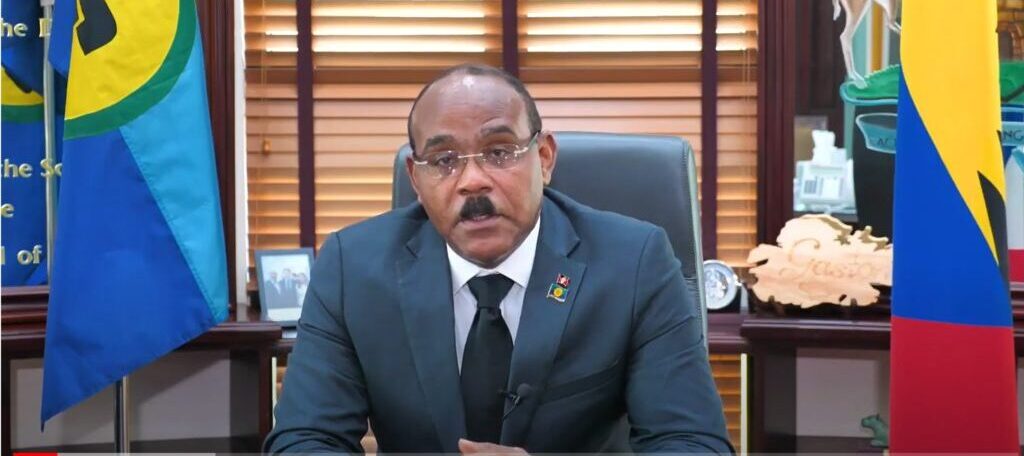
Prime Minister Gaston Browne made the formal announcement of the proposed reform on Saturday, confirming he has already given formal direction to Attorney General and Minister of Legal Affairs Sir Steadroy Benjamin to advance all required steps to implement the expanded access framework. If approved, the new rules will upend the existing restricted system, which currently only allows members of the public to request information about a specific, named individual via a formal application to the Commissioner of Police.
In outlining the government’s rationale for the change, Browne emphasized that releasing offenders’ photographs will empower parents, guardians, and local communities to identify convicted offenders and put targeted safety precautions in place, especially in situations where children or other vulnerable groups could be exposed to risk. The Prime Minister did not dismiss legitimate concerns that unrestricted publication of this information could face legal challenges as an infringement of constitutional rights for offenders who have already completed their court-ordered sentences. However, he argued that these individual rights concerns must be weighed against the broader public’s fundamental right to know if a convicted sexual offender resides or works within their community.
The policy review comes as Antigua and Barbuda has seen a surge in public demand for stronger action to address sexual offences, particularly those involving minor victims. Government leaders and child protection advocates have long pushed for more robust preventative measures, expanded public awareness, and enhanced safety safeguards for at-risk groups. Social and Urban Transformation Minister Rawdon Turner has repeatedly called for public identification of convicted sex offenders, arguing that parents have a right to know when an offender lives near their homes, children’s schools, or local community spaces. Turner has gone so far as to propose that offenders’ names and photos be posted publicly as an explicit public safety warning for local families.
Antigua and Barbuda first established its national sex offender registry through the National Sex Offender Register Act, passed in November 2022, with the core goals of creating a formal system to register and monitor people convicted of designated sexual offences. From its launch, the registry was designed to help law enforcement agencies track offenders, lower the risk of repeat offences, and share critical offender data with local authorities and partner agencies in other countries. The registry collects a wide range of information on offenders, including full name, nationality, residential address, employment details, fingerprints, photographs, and information about organizations the offender is affiliated with. It covers all major categories of sexual offences, from rape and other sexual assault to incest, sexual activity with minors, and child pornography offences.
Under the current access rules, members of the public can only submit an application to the Commissioner of Police to confirm whether a specific person they have questions about is listed on the registry. This limited disclosure model was originally crafted to balance public protection needs with safeguards against misuse of offenders’ personal information. The original legislation also includes strict penalties for anyone who obtains registry information under false pretences, misuses the data, or distributes it maliciously, with penalties reaching up to EC$10,000 in fines or three years of imprisonment.
In the coming weeks, the government will evaluate what changes are needed to enable expanded public access, including whether amendments to the original legislation, new regulatory frameworks, or updated administrative procedures are required. Officials will also need to make key decisions about the scope of disclosure: whether the entire registry will be published online, or access will be restricted to offenders convicted of the most serious crimes, those deemed at highest risk of reoffending, or those ordered by the courts to be publicly listed.
The reform effort carries broader significance for the Caribbean region, where governments across the bloc continue to grapple with the challenge of monitoring convicted offenders who move freely between neighboring countries. During original parliamentary debate on the 2022 registry legislation, Attorney General Benjamin noted that Antigua and Barbuda already has arrangements to share offender information with regional jurisdictions that hold bilateral security agreements with the country. A number of other Caribbean nations, including Jamaica, Belize, and Trinidad and Tobago, have already implemented their own sex offender registration laws, though the level of public access to these registries varies widely from country to country.
Further official updates are expected from the Attorney General in the near future, with details to be released on what specific information will be made public, how the new framework will protect the privacy of sexual assault victims, and a firm timeline for when the expanded public access system will go into effect.