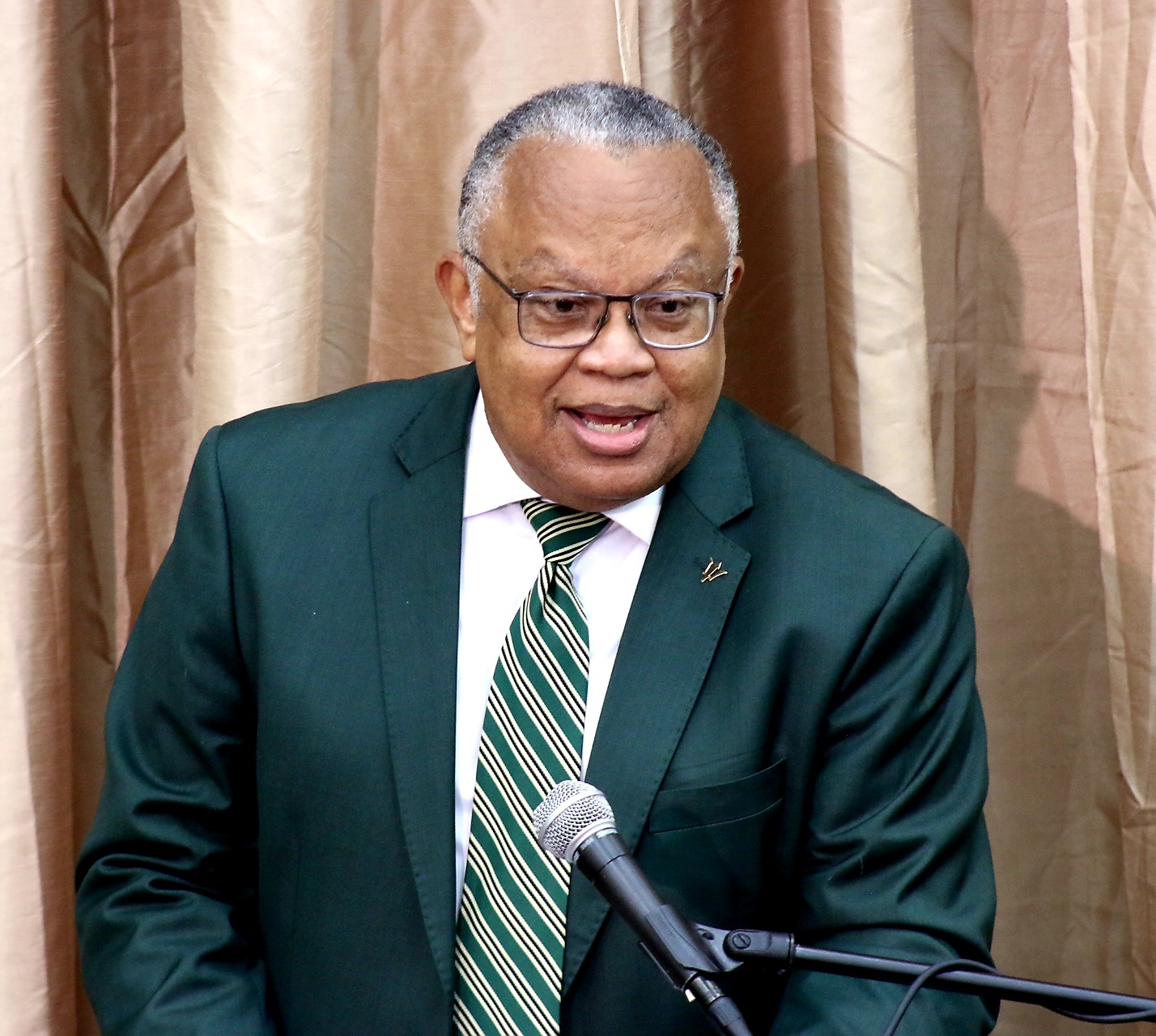
Barbados is poised to undertake a sweeping, multi-year modernization project for its primary public healthcare facility, the Queen Elizabeth Hospital (QEH), backed by $175 million in development bank financing. Senior Minister for Social and Environmental Policy Senator Dr. Jerome Walcott outlined the urgent needs and planned transformations during a recent community and stakeholder consultation focused on the QEH/Enmore redevelopment, a 42-month initiative that will reshape the island nation’s tertiary healthcare capacity over the next three to four years.
For decades, QEH has grappled with systemic gaps that have compromised its ability to deliver high-quality care to Barbadian residents, Dr. Walcott revealed. Longstanding challenges include overcrowded inpatient areas, chronic bed shortages, outdated and undersized laboratory infrastructure, limited access to comprehensive cancer care, and a critical gap in specialized burn treatment – a gap that has already resulted in preventable deaths. Decades ago, the hospital operated a functional burn unit, but that service was discontinued, leaving the island without capacity to treat severe burn injuries locally. In the most recent four serious burn cases, all patients required emergency airlift to Panama for specialized care, and none survived, according to Dr. Walcott, a former practicing physician at QEH. He emphasized that a 21st-century tertiary hospital cannot credibly claim to serve the public without a dedicated burn unit, which provides specialized intensive care that is standard across North America and Europe. “When I was a doctor years ago at the hospital, there was a burns unit, and I believe as we go forward in the 21st century to speak of having a tertiary hospital and not having a burn unit, you’re making fun,” he said.
The most neglected part of the current facility is the hospital’s laboratory, which has suffered from unresolvable mould infestation since before the COVID-19 pandemic. Years of targeted repairs, reconfigurations, repeated industrial cleaning, and in-house maintenance efforts by QEH’s engineering team have failed to eliminate the mould, creating unsafe working conditions for staff and compromising testing reliability. A 2020 independent assessment of the facility identified two potential solutions: reallocate existing space by moving other departments to expand the current lab, or construct an entirely new laboratory facility. Stakeholders have now finalized a decision to build a new, purpose-built lab, addressing the persistent safety and capacity issues.
The redevelopment project, centered at the Enmore site, will add two new multi-story towers to the QEH campus. The first tower will house the upgraded outpatient department and the new state-of-the-art laboratory, while the second will be dedicated to oncology services and hospital administrative offices. For inpatient care, the project will add four entirely new wards with 96 additional beds to alleviate chronic overcrowding. Outpatient services will also be expanded to offer dedicated, separate space for specialized clinics including otolaryngology (ENT), neurology, and paediatrics, with new on-site equipment for EEG and EMG diagnostic testing.
A core priority of the expansion is closing gaps in cancer care that currently force many patients to travel overseas for life-saving treatment. The project will add critical specialized oncology infrastructure including a new Positron Emission Tomography (PET) scanner, an updated Gamma CT scanner, and a dedicated brachytherapy facility. For the first time, Barbados will also acquire a cyclotron to produce its own radiopharmaceuticals – radioactive compounds used both for diagnostic imaging and targeted cancer treatment. Chemotherapy treatment capacity will also be scaled up, allowing the facility to treat 10 to 12 patients simultaneously, cutting wait times and reducing the need for off-island care.
Dr. Walcott framed the $175 million transformation as a strategic investment that will strengthen the resilience of Barbados’ entire national health system. Beyond improving care for local residents, the project aims to restore Barbados’ historic role as the leading medical referral hub for complex cases across the Eastern Caribbean. The recent consultation is part of ongoing stakeholder engagement as the government prepares to launch construction and finalize project planning for the large-scale redevelopment.