As global energy markets continue to grapple with sustained upward pressure on crude oil prices, Antigua and Barbuda’s Prime Minister Gaston Browne has issued an urgent alert, urging local residents to make proactive preparations for potential additional increases in petroleum product prices.
Browne’s warning comes just one week after new, higher price caps for gasoline and diesel took effect across the twin-island nation on September 1. This latest adjustment marks the end of months of targeted government intervention, which was implemented to insulate domestic consumers from the sharp spikes in international petroleum costs that have rippled across global markets in recent quarters. Following the September 1 adjustment, the retail price of gasoline now stands at 16.50 Eastern Caribbean dollars per imperial gallon.
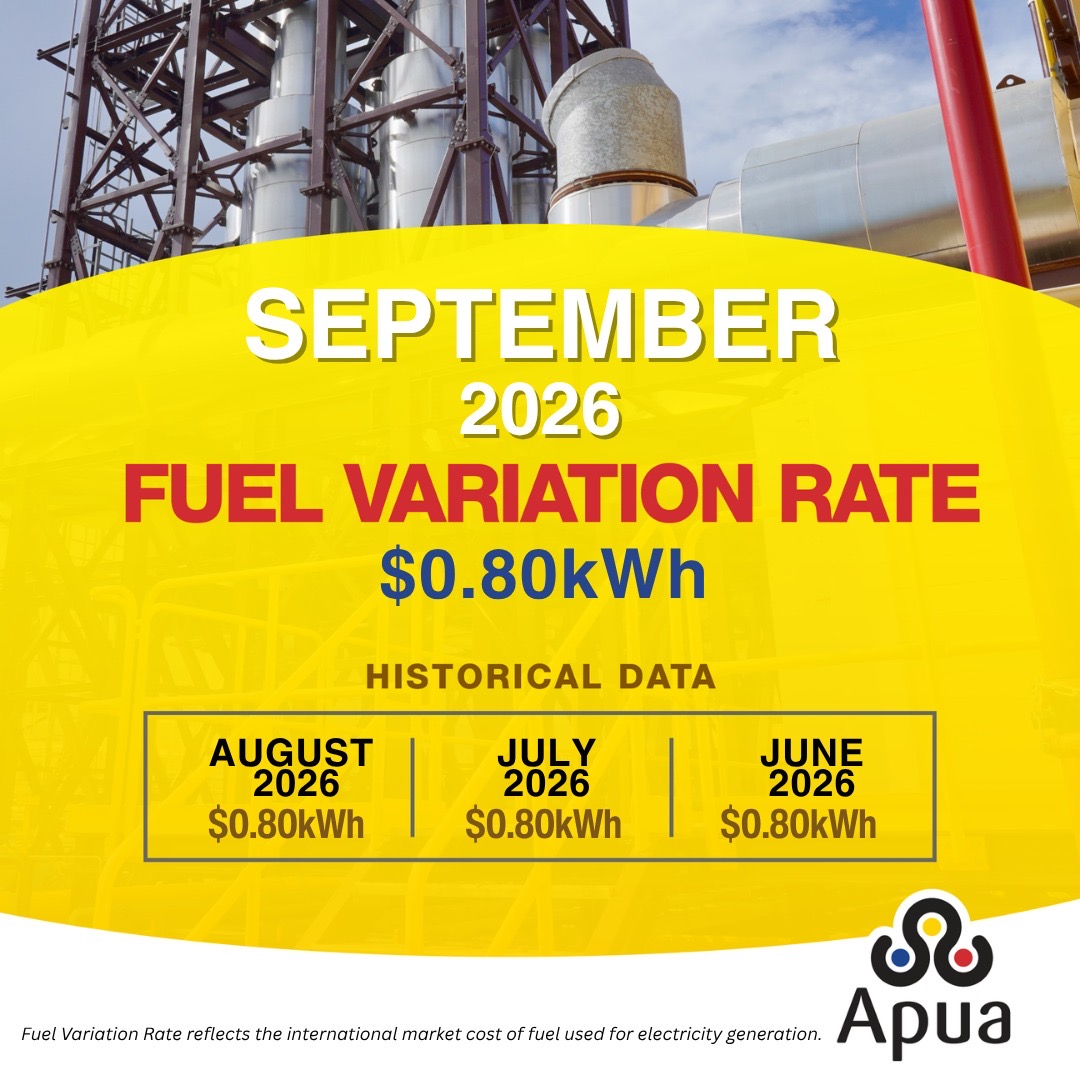
In a separate but related announcement, the Antigua Public Utilities Authority (APUA) has confirmed that its September Fuel Variation Rate – a surcharge tied to fuel costs for power generation that is added to residential and commercial electricity bills – will hold steady at 80 cents per kilowatt-hour. This marks the fourth consecutive month that the rate has remained unchanged, after it was raised to this level back in June.
Even as the utility has frozen the fuel surcharge for consumers, APUA itself has been forced to absorb skyrocketing fuel expenses amid the global market upswing. Recent disclosures from the authority show that its monthly fuel expenditure has surged dramatically over the first seven months of the year, jumping from just 11 million Eastern Caribbean dollars in January to 21.8 million Eastern Caribbean dollars by July.
To avoid passing the full brunt of these cost increases onto consumers immediately, APUA has implemented gradual adjustments to the Fuel Variation Rate over the past several months. In May, the authority’s internal calculation put the required rate at 88 cents per kilowatt-hour, but leaders chose to cap the charge passed to customers at just 70 cents to soften the financial blow for households. The rate was only raised to 80 cents in June, where it has remained through September.
Energy analysts and local economic observers note that the current situation points to ongoing financial pressure for both domestic households and local businesses in the coming months. If global petroleum prices continue to climb or remain at their current elevated levels, further price adjustments for both transportation fuel and electricity will be unavoidable, putting sustained strain on household budgets and business operating costs across Antigua and Barbuda.