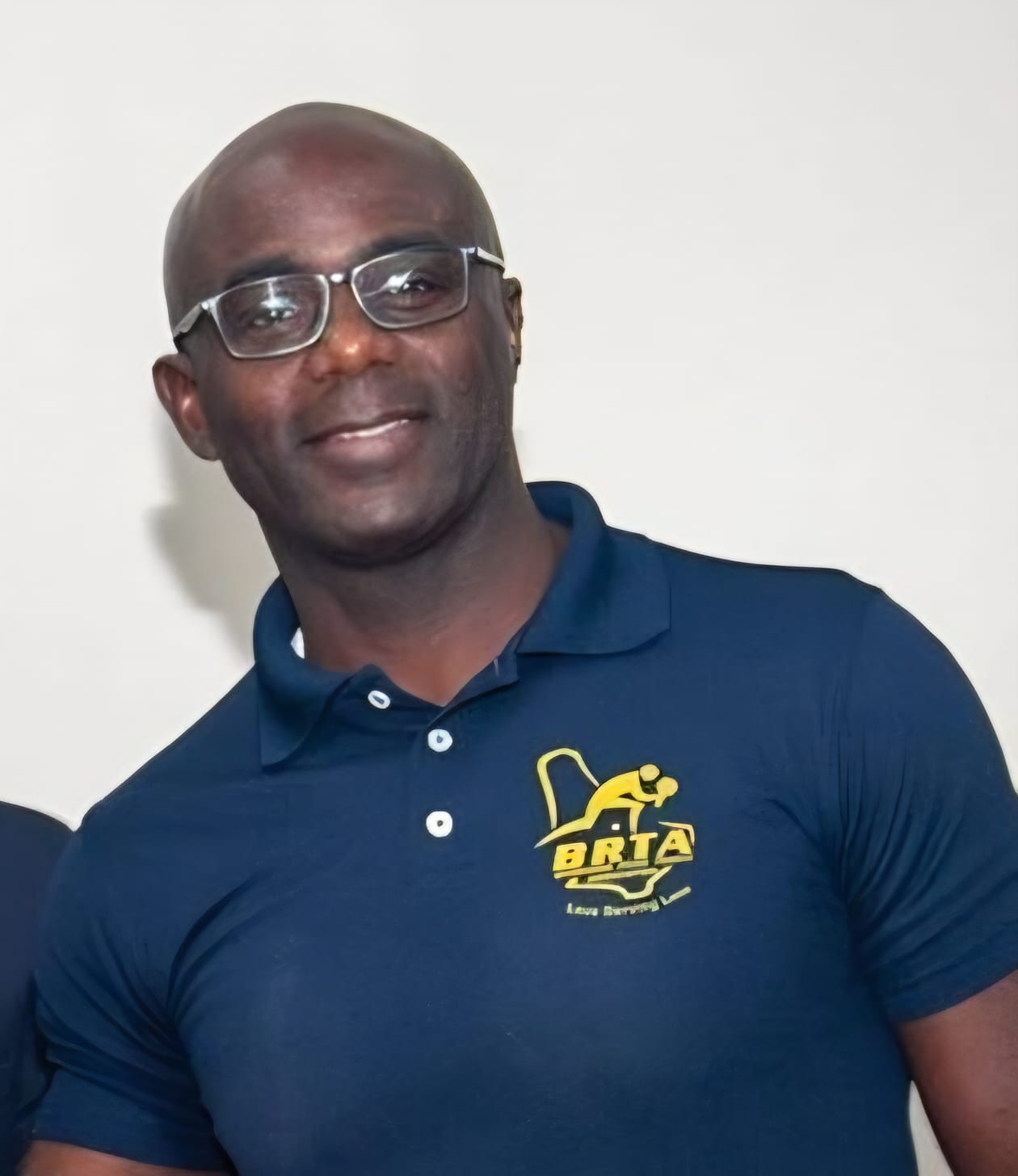
The 2024 Barbados Road Tennis Open has advanced to the men’s round of 16, and the head of the island’s governing body for the homegrown sport says the level of competition on display confirms years of steady progress for the discipline. Frederick Blunt, President of the Barbados Road Tennis Association, shared his assessment of the ongoing tournament, which offers a $20,000 grand prize to the eventual winner. He noted that while the opening days of the event encountered a handful of unforeseen logistical issues, organizers quickly resolved the problems and the competition has proceeded smoothly ever since.
What has stood out most to Blunt is the marked improvement in the performance of emerging young competitors across the early rounds. While seasoned veteran players have continued to deliver the high-caliber play that has defined their careers, the new generation of road tennis athletes has rapidly narrowed the skill gap that once separated them from the sport’s top contenders. Blunt offered an optimistic forecast for the future of the sport, predicting that within the next 12 months, young players will deliver even stronger results and eventually claim the majority of the tournament’s top prizes in coming years.
Beyond the ongoing Open, a recent government announcement has stirred discussion within the local road tennis community: officials have unveiled plans to form a new partnership with the Ultimate Pickleball League (UPL) that would pursue two core goals: position Barbados as a leading Caribbean hub for pickleball, and expand the international footprint of Barbados’ own road tennis. Under the proposal, the collaboration would include large-scale local manufacturing of road tennis rackets for export to global markets, as well as the retrofitting of existing local hardcourts to accommodate both pickleball and road tennis play. According to government and UPL representatives, the initiative is designed to drive regional growth for pickleball while protecting the unique cultural heritage and history of road tennis.
Blunt, who was not invited to the initial planning meeting between government leaders and UPL officials, says he has only limited insight into the full details of the plan, but he has outlined both the potential upsides and significant risks of the proposed collaboration. On the positive side, Blunt says the partnership could unlock much-needed foreign investment, central government funding, and resources to upgrade local playing facilities – a longstanding major barrier to the growth of road tennis in Barbados. A formal, structured collaboration could also open new avenues for international sports tourism, cementing Barbados’ reputation as a road tennis destination and introducing global athletes, coaches, and sports industry leaders to the unique rules and cultural significance of the sport. It could also formalize road tennis programming in Barbadian schools, creating a structured development pathway for young players and raising the profile of local athletes on international multi-sport circuits.
Despite these potential benefits, Blunt has raised pointed concerns about the long-term implications of the partnership, noting that pickleball already boasts well-established global governing bodies, major commercial backing, and widespread mainstream media influence. Without strict, legally binding protections for road tennis, Blunt warns that the indigenous sport could be sidelined for access to court time, equipment resources, sponsorship funding, and space in school athletic programs. He also voiced concern that tying road tennis’ expansion to a foreign-led sport could erode its distinct cultural identity, gradually shifting access to facilities and development opportunities away from local Barbadian players.
Adding to these concerns, Blunt pointed out that the road tennis community was not given meaningful representation or formal consultation during the early stages of proposal development, which has fueled worries around transparency, unequal power dynamics, and long-term control of critical commercial rights – including intellectual property for the sport and local manufacturing of equipment. At its core, Blunt says the debate boils down to one critical question: will this partnership truly lift up road tennis as an independent, indigenous Barbadian sport on its own terms, or will the discipline lose its autonomy and its future to a far better-resourced global sport?