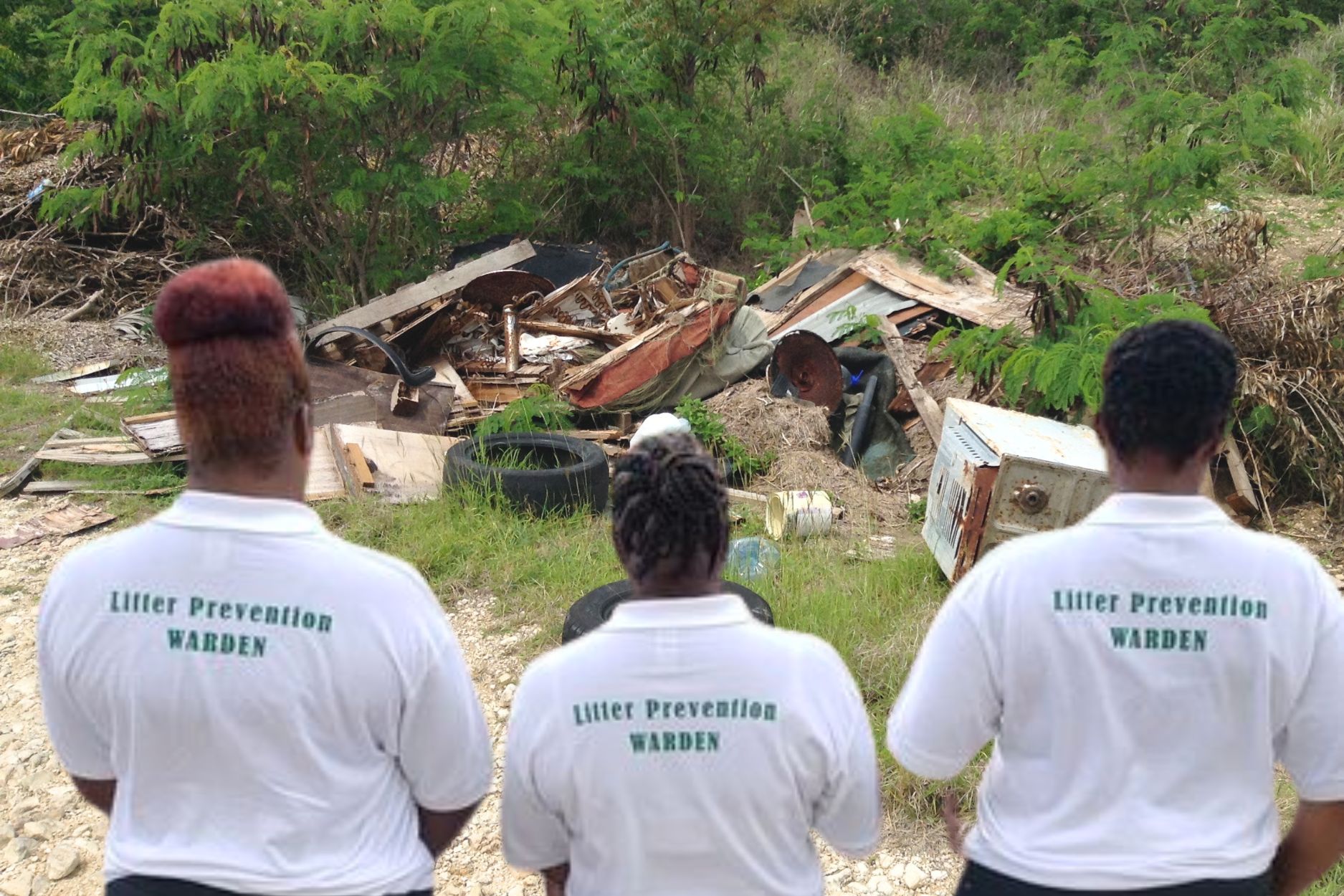
The government of Antigua and Barbuda has unveiled a sweeping zero-tolerance initiative targeting littering, unregulated waste dumping, and unauthorized occupation of public lands, launching a nationwide push to elevate community cleanliness, enhance public safety, and revitalize public spaces across the twin-island nation. Following a recent cabinet assessment, senior officials have concluded that current regulatory frameworks are insufficient to tackle the persistent problems of indiscriminate waste disposal, abandoned derelict vehicles, and unpermitted encroachment on coastal beaches, roadside verges, and other communal public areas. As such, a slate of strengthened enforcement measures has been approved to address these issues head-on.
Leading the new initiative is the Ministry of Social and Urban Transformation, headed by minister Rawdon Turner. The ministry will coordinate closely with two key national agencies—the National Solid Waste Management Authority and the Development Control Authority—to systematically locate, remove, and dispose of abandoned and derelict vehicles that have been left sitting in residential neighborhoods and public areas. The escalated enforcement program went into effect immediately following the cabinet’s announcement, marking a quick shift in the country’s approach to public space management.
Cabinet has outlined a range of harms caused by abandoned vehicles, noting that beyond being an eyesore that drags down the aesthetic appeal of local communities, these unused vehicles also pose significant threats to both environmental health and public safety. In a bid to give vehicle owners a chance to comply voluntarily before enforcement action begins, the government is urging all residents with abandoned vehicles on public or communal land to move their vehicles at their own cost ahead of scheduled inspections by enforcement teams.
Beyond addressing abandoned vehicles, the government is moving forward with plans to dramatically increase financial penalties for anyone convicted of littering or illegal dumping. Under the proposed regulatory changes, the maximum fine for these offenses will jump to EC$5,000, a steep increase from current levels. To bolster enforcement efforts and encourage community participation, officials have also introduced a new reward scheme: individuals who report illegal dumping activity via the official police tip line will be eligible to receive 50% of any resulting fine—equal to EC$2,500—if the information they provide leads to the offender being formally charged and convicted. The government is actively calling on all residents to step forward and share information when they witness littering or illegal dumping in their communities.
Officials emphasized that the combination of harsher financial penalties and financial incentives for community reporting is designed to send an unambiguous message: unregulated, indiscriminate disposal of garbage and other types of waste will no longer be permitted anywhere in Antigua and Barbuda, and those who violate the rules will face meaningful consequences for their actions.