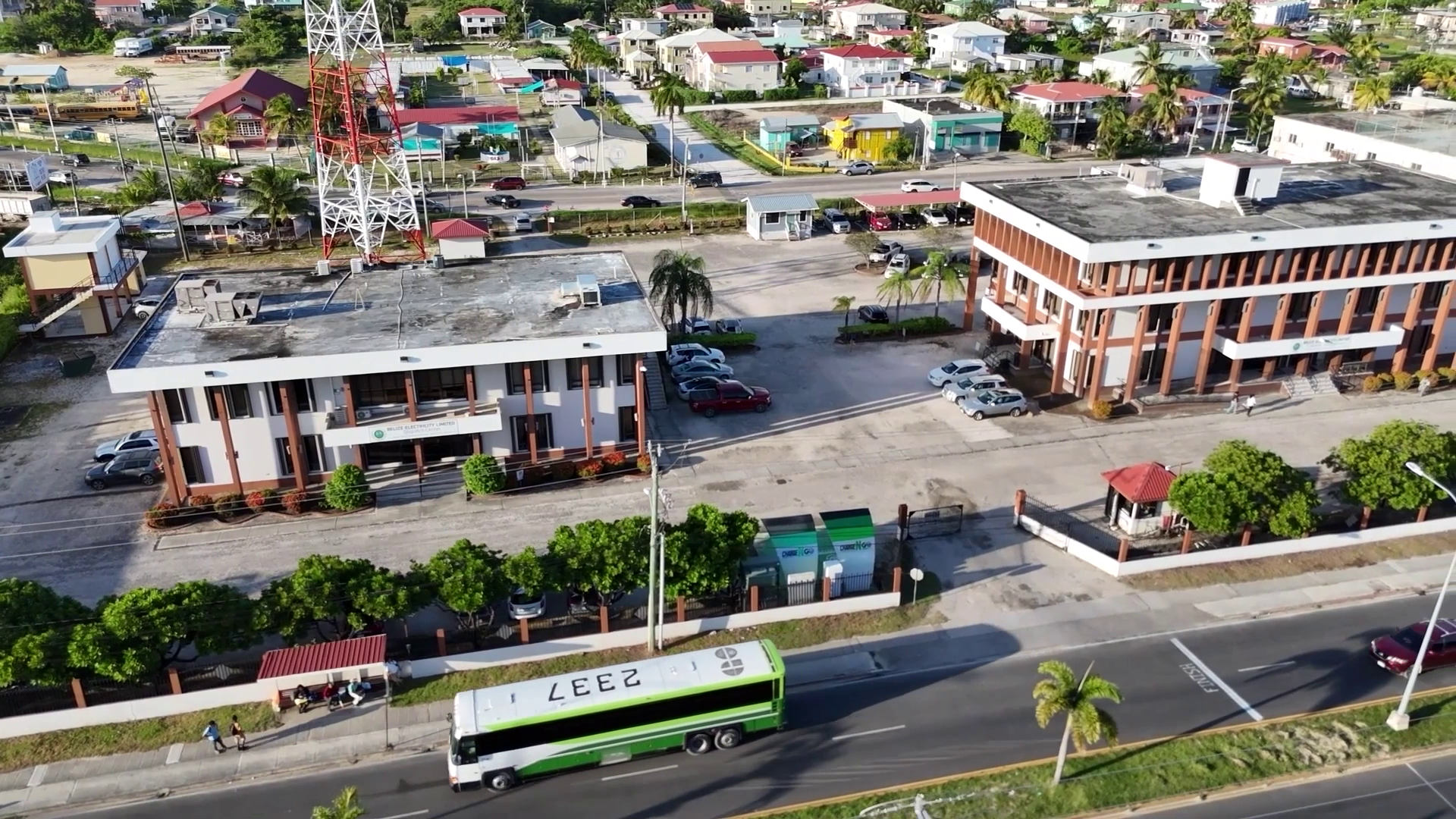
As of September 2, 2026, Belize’s primary electricity provider, Belize Electricity Limited (BEL), is confronting mounting financial and operational challenges that have put the nation’s power supply in the national spotlight. In a recent disclosure, BEL Executive Chairman Lynn Young confirmed that the state-owned utility owes more than $30 million to Mexico’s Comisión Federal de Electricidad (CFE), its cross-border energy supplier, and has already drawn on multiple government-backed interventions to cover partial payment obligations.
Local reporters have since pressed Prime Minister John Briceño to disclose the full cumulative amount of taxpayer funds that his administration has injected into BEL to keep the grid operational. However, Briceño declined to share a specific total, framing government support not as a bailout, but as a strategic investment in a critical public asset.
In his remarks, Briceño drew a parallel between supporting BEL and repairing a broken taxi engine: rather than abandoning the vehicle, owners invest to fix it to keep it running. He explained that global energy price hikes have driven up procurement costs significantly, and the government has chosen to absorb these increased costs instead of passing them directly onto residential and commercial consumers across Belize. Looking ahead, the Prime Minister noted that the investment will lay the groundwork for a transition to cheaper solar energy, with several private renewable energy firms already in negotiations with BEL to bring new solar capacity online within six to 12 months at rates far below current imported power costs.
Beyond its mounting debt, BEL is also warning of an imminent power supply gap that could destabilize the national grid within the next 12 months. The utility reports that growing domestic electricity demand is now approaching the country’s total available generation capacity, creating a urgent need to secure additional emergency power supplies. To speed up this procurement process, BEL has formally requested that the government declare a national energy emergency.
The request is still working its way through official regulatory channels. Dr. Leroy Almendarez, CEO of Belize’s Ministry of Public Utilities, outlined the structured approval process required before any emergency procurement can move forward. Before Cabinet can issue an emergency declaration, the Public Utilities Commission (PUC), the nation’s independent energy regulator, must first complete a full review of BEL’s request. If Cabinet approves the declaration, the PUC will then issue a formal order authorizing BEL to launch emergency power procurement, with full regulatory oversight to ensure transparency and accountability throughout supplier selection and negotiation. Almendarez emphasized that BEL cannot unilaterally select suppliers or enter into contracts without regulatory approval, addressing concerns about lack of oversight in emergency processes. For any projected power shortfall that extends beyond the initial emergency period, Almendarez added that additional stakeholder consultations will be held at the appropriate time.
This report is a transcribed version of an evening television newscast focused on Belize’s current energy landscape.