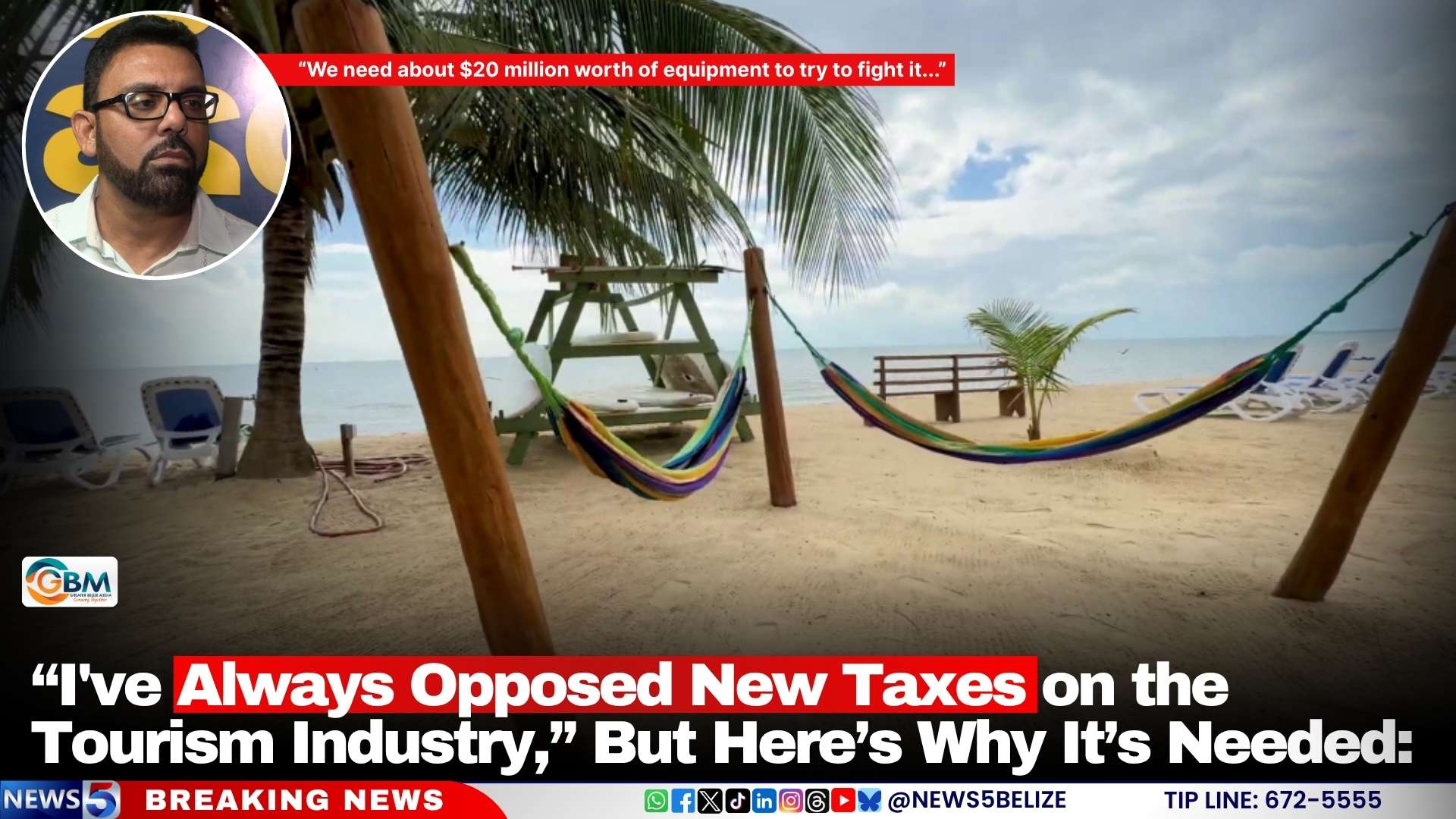
In a surprising public address amid mounting industry pushback, Belize’s Tourism Minister Anthony Mahler has broken with his long-held stance against new tourism taxes, backing a planned 3.5 percentage point increase to the country’s hotel accommodation tax that would raise the rate from 9% to 12.5%. The policy, which has been under negotiation for nearly two years, has split government officials and tourism stakeholders, with Mahler acknowledging he has always opposed new levies on the sector even as he argues the hike has become an unavoidable necessity.
Mahler made his position clear to both the Belize Tourism Industry Association and the Belize Hotel Association, pushing back against speculation that he had championed the tax increase from the start. “I don’t know where that surprise comes from or make it look like that I pushed for this,” Mahler said in his address. “I’ve always opposed new taxes on the tourism industry.”
For Mahler, the turning point comes not from a push to pad general government coffers, but from an urgent need to protect the tourism sector that drives Belize’s national economy. The country’s coastal tourism hub is facing an escalating, multifaceted crisis driven by massive sargassum blooms that have ravaged shorelines in recent months. The invasive seaweed has created overlapping environmental, public health, and economic threats for coastal communities, dealing a major blow to Belize’s attractiveness as a beach and marine tourism destination.
Mahler added that the sargassum crisis is not the sector’s only challenge: rising global travel costs and ongoing geopolitical instability have piled extra pressure on Belize’s tourism industry, which relies on healthy coastal ecosystems to draw visitors. Roughly 70% of tourists travel to Belize to participate in marine activities, meaning the state of coastal environments directly determines the country’s competitiveness as a tourism destination.
To combat the sargassum bloom, Mahler estimates the country needs roughly $20 million in new specialized equipment to manage and remove the seaweed. Until now, most response funding has been drawn from the existing budget of the Belize Tourism Board, stretching the agency’s resources thin.
Under the government’s current plan, Mahler has secured Cabinet approval to earmark 1.5 percentage points of the 3.5 percentage point tax increase specifically for climate mitigation and environmental response efforts, rather than directing all new revenue to the government’s general budget. Aside from sargassum removal and management, the allocated funds would also address other pressing environmental issues threatening tourism, including river contamination.
“If we have to get the 3.5 percentage points increase in the hotel tax, then at least put 1.5 percentage points back into the Sargassum fight,” Mahler explained. “So instead of it going into general revenues, at least 1.5 out of that 3.5 could go to climate change mitigation.”
Despite the government’s plan to direct new funding to industry protection, the proposed tax hike remains deeply contentious among Belize’s tourism stakeholders. Industry leaders warn that raising hotel costs will make Belize less competitive with neighboring top tourist destinations including Cancun, Jamaica, Costa Rica, and the Dominican Republic, potentially driving away price-sensitive visitors and threatening the long-term success of the country’s tourism sector.