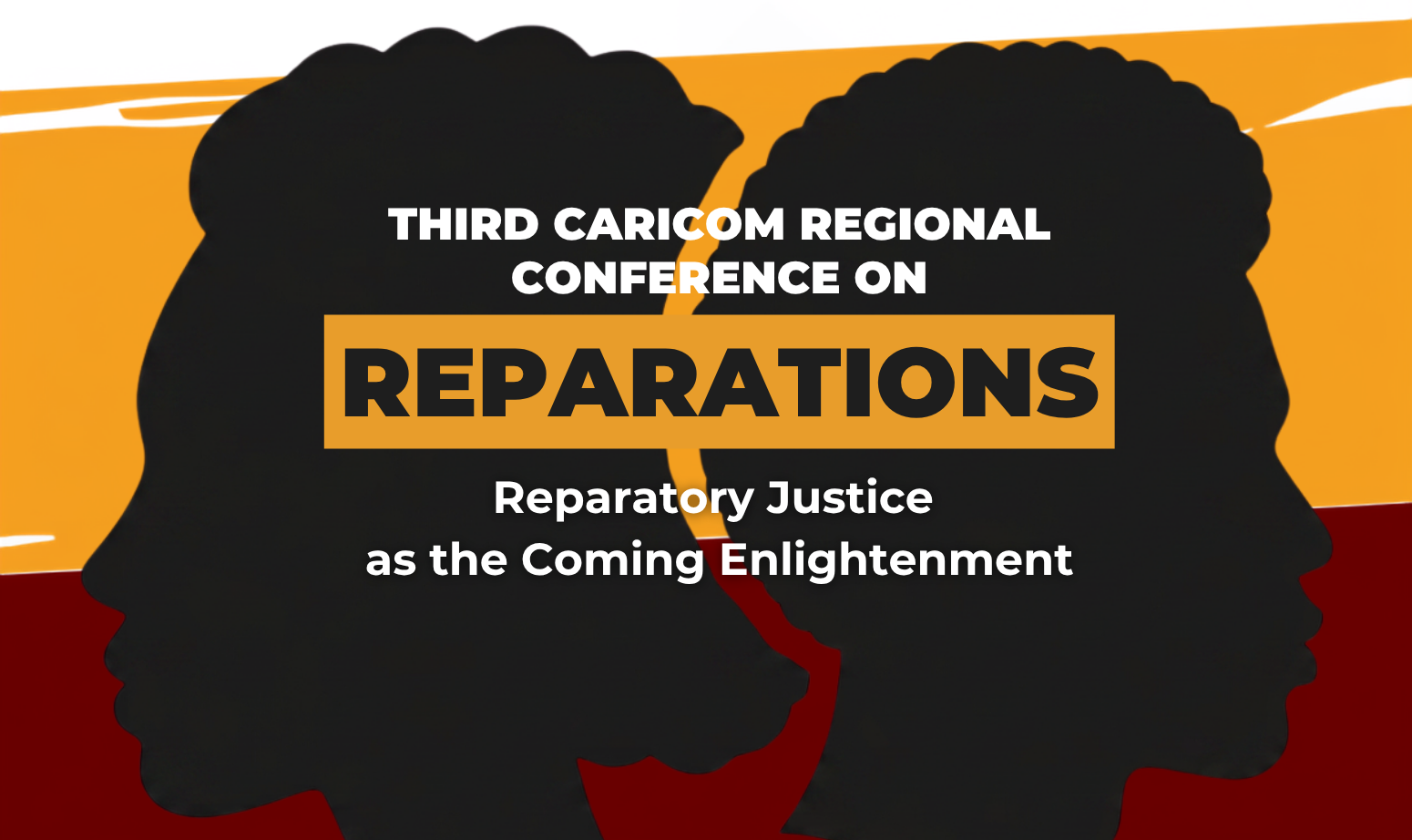
A pivotal moment in the global movement for reparatory justice for the transatlantic trafficking and racialized chattel enslavement of Africans is approaching this September, as Barbados prepares to welcome hundreds of regional and international stakeholders for the third CARICOM Regional Conference on Reparations. Scheduled to run from September 17 to 19 at the Wyndham Grand Sam Lord’s Castle in Saint Philip, the three-day gathering is the product of a collaborative partnership between the CARICOM Reparations Commission (CRC), the Government of Barbados, and the CARICOM Secretariat, and it will unfold under the provocative, purpose-driven theme: “Reparatory Justice as the Coming Enlightenment.”
This year’s conference arrives on the heels of a landmark global milestone: the United Nations’ adoption of Resolution A/RES/80/250 in March 2026, a historic document that formally recognized the transatlantic trafficking and racialized chattel enslavement of Africans as “the gravest crime against humanity.” This global endorsement has created new momentum for the Caribbean reparations movement, which has spent more than a decade pushing for accountability and redress from former colonial powers.
Conference organizers have laid out a clear, action-focused agenda for the gathering. A core priority will be advancing the practical implementation of the revised CARICOM Ten-Point Plan for Reparatory Justice, a framework that outlines concrete demands including formal apologies, financial compensation, educational reforms, and repatriation of cultural artifacts stolen from African and Caribbean communities during the colonial era. Attendees will also explore emerging perspectives on reparations from African and Caribbean political leadership, assess the state of global progress on reparative action, and mark a series of key global milestones: the 25th anniversary of the landmark Durban Declaration and Programme of Action, the conclusion of the Second International Decade for People of African Descent, and the launch of the African Union Decade for Reparatory Justice.
Beyond policy discussions, the conference is designed to deepen coordination across the global movement for reparatory justice. Official statements from CARICOM note that the gathering is expected to strengthen collaborative ties between CARICOM, the African Union, grassroots civil society organizations, and the global African diaspora, while encouraging expanded participation from political, diplomatic, and community groups across the world.
One of the most anticipated outcomes of the conference is the adoption of a 2027–2031 multi-year Action Plan for Reparatory Justice, which will establish clear, measurable targets for collective action across the global African community. This roadmap is expected to provide a unified framework for advocacy and implementation over the coming five years.
The opening session of the conference will feature addresses from three of the movement’s most prominent leaders: Barbados Prime Minister Mia Amor Mottley, CARICOM Secretary-General Dr Carla Barnett, and CRC Chair Sir Hilary Beckles. In addition to these opening remarks, the gathering will draw a diverse range of participants, including CARICOM Heads of Government, members of the Prime Ministerial Sub-Committee on Reparations, official representatives from the African Union, United Nations delegates, national reparations commission members, activists from the United States, Canada, the United Kingdom, the European Union, and Latin America, leading academic scholars, civil society leaders, cultural icons, and youth delegates representing the next generation of the reparations movement.
This third regional conference marks a 13-year continuation of a formal movement launched at the inaugural CARICOM reparations conference. The first gathering was held in St Vincent and the Grenadines in September 2013, where the CARICOM Reparations Commission was officially established to coordinate regional advocacy. The second conference followed just one year later in September 2014, hosted by Antigua and Barbuda. Since its founding, the CRC has organized a range of focused conferences and symposia to explore specific dimensions of reparatory justice, including examinations of the role of global banking in colonial exploitation, the legacy of Barbadian economist Sir William Arthur Lewis, and the intersections between reparations and global cultural heritage (including the return of stolen royal and cultural artifacts).
For organizations and individuals interested in attending the 2026 conference, registration and additional logistical information are available through the official conference website.