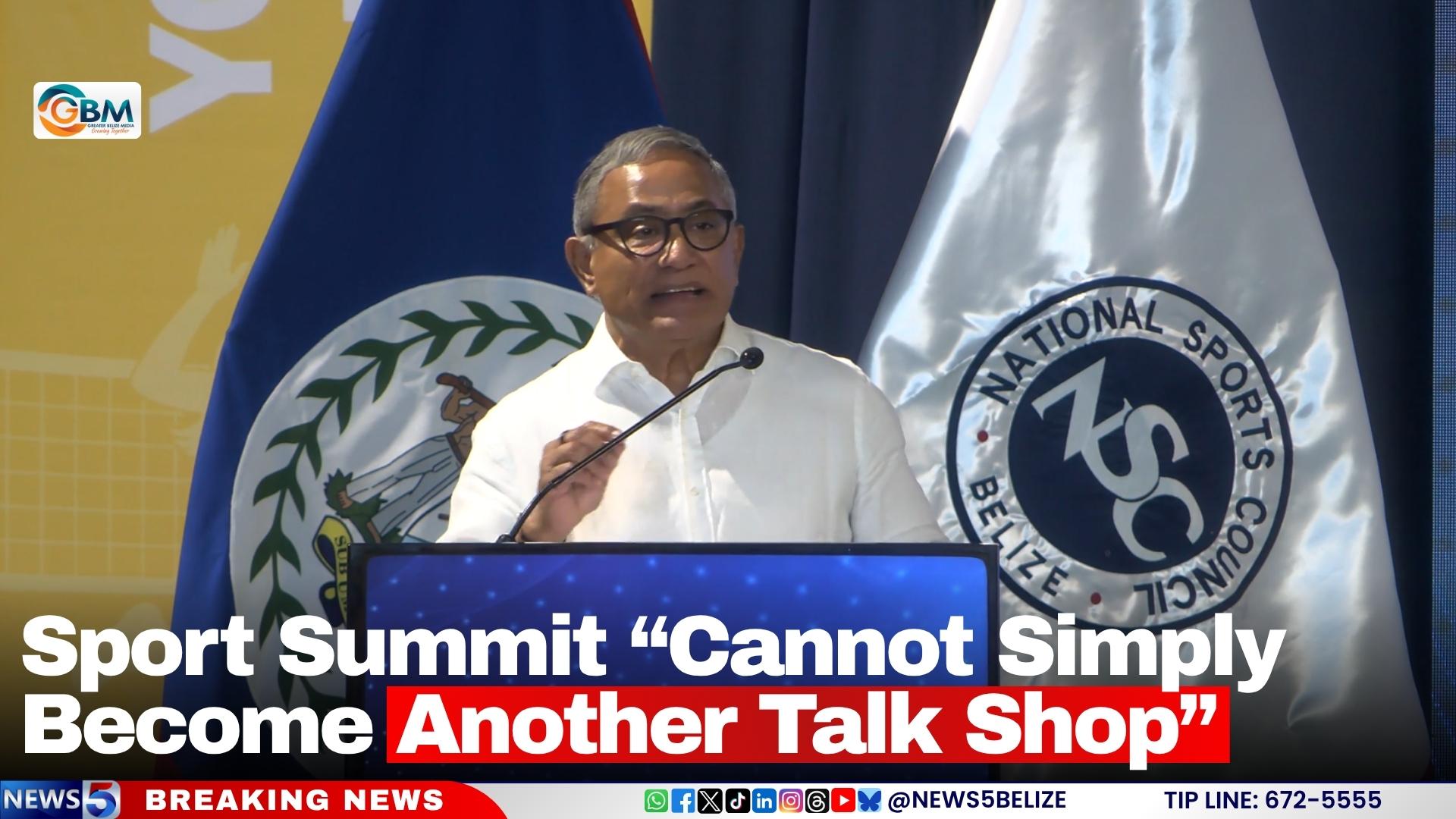
On September 2, 2026, Belize launched its first-ever National Sports Summit, an unprecedented gathering that seeks to break the cycle of endless unproductive discussion about the struggles of local athletes and lay the groundwork for a structured national sports framework defined by clear goals, defined responsibilities, and robust accountability mechanisms.
The summit convenes a cross-section of key stakeholders, from active and retired athletes to sporting federation administrators and national policymakers, to confront a wide spectrum of long-standing systemic challenges plaguing Belize’s sports ecosystem. These issues range from deeply entrenched governance gaps and woefully inadequate training and competition facilities to widespread participation barriers that keep many young Belizeans from accessing sports, and chronically limited support systems for elite athletes looking to compete internationally.
Top national leadership took center stage at the opening of the summit, including Prime Minister John Briceño alongside several senior cabinet members: Anthony Mahler, Minister of Tourism, Youth, Sports and Diaspora Relations; Minister of State Gilroy Usher; and Oscar Mira, Minister of Home Affairs and Enterprise.
In his opening address, Prime Minister Briceño emphasized that the landmark summit cannot become just another unproductive talk shop rehashing problems that all stakeholders already recognize exist. “We are not here to talk in circles about challenges we have known about for decades,” Briceño stated, setting a clear tone for the summit’s outcome-focused agenda.
The Prime Minister outlined that building a clear development pathway for emerging young athletes starts with strengthening foundational governance across all levels of Belize’s sports institutions. “Good governance is the bedrock upon which every successful national sports system is built,” he explained. “Our federations, associations, government agencies, and all sporting institutions must operate with consistent accountability, full transparency, and a unified commitment to advancing the growth of our athletes. That means every allocated resource must be managed responsibly, with clear outcomes for athlete development in mind.”
Briceño stressed that long-term success in transforming Belize’s sports landscape depends on coordinated cross-sector partnership, noting that buy-in from government, independent sporting organizations, primary and secondary schools, local coaches, community groups, athletes themselves, family members, and the private sector is all required to drive meaningful change.
Beyond competitive success, the Prime Minister framed investments in sports as a multi-benefit public good: sports serve as a tool to improve national public health outcomes, prepare elite athletes to compete and win on the global stage, and unlock new inclusive economic opportunities through the fast-growing global sports tourism sector. While he acknowledged that overhauling the current system will require substantial new financial investment, Briceño did not hesitate to pledge his full support to push for increased government allocation to sports development.
“As a small developing nation, we face countless competing demands, and public resources are undeniably limited,” Briceño acknowledged. “But I am convinced that if we can make a clear, compelling case for how critical sports are to the overall development of Belize — to the long-term health of our people, and to the new economic opportunities it can unlock across every region of our country — I know our cabinet will listen, and will commit more resources to this work. I am pledging to do everything in my power to expand government investment in sports.”
The Prime Minister also noted that systemic change will require creative approaches to sports financing beyond public allocation, recognizing the broad range of fiscal constraints that small developing nations like Belize navigate as they work to expand public services and infrastructure across all sectors.