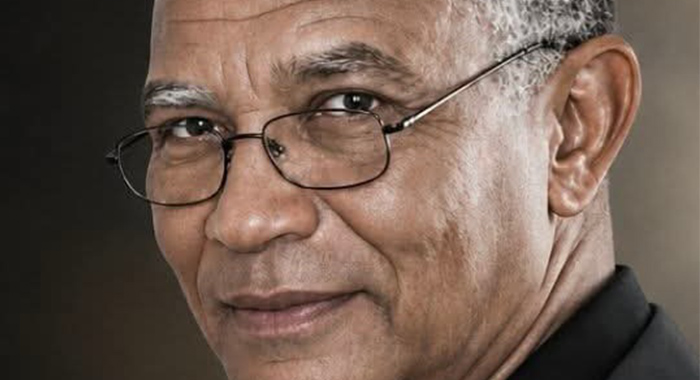
Across Kingstown, Saint Vincent and the Grenadines, communities are gathering this week to honor the life and enduring legacy of Lennox John, a beloved local leader who touched countless lives through three distinct, impactful lifelong vocations. Written by Terry Haynes, a founding member of the Bishop’s College Steel Orchestra, this tribute reflects on a man whose quiet commitment to lifting up others shaped generations of residents across the island nation.
John’s life was defined by service across three core pillars of community life: faith, national sports, and education. As a deacon at St. George’s Cathedral in Kingstown, he carried out his duties with steady humility and unwavering religious conviction, supporting congregants through every stage of life. At a national level, he stepped into the role of president of the Saint Vincent and the Grenadines Cricket Association, pouring hundreds of hours of voluntary work into a sport that serves as a unifying force across the country’s diverse communities. For Haynes and thousands of other former pupils, however, John’s most lasting impact came as principal of Bishop’s College Kingstown, where he nurtured young talent and opened doors that many students never would have accessed on their own.
One of John’s most lasting contributions to the school is the Bishop’s College Steel Orchestra, an institution that would never have come to fruition without his relentless support. When a small group of students first proposed the idea of a school steel band, John did not merely sign off on the project—he championed it at every turn. When the group had no instruments to play, John tracked down donated equipment and secured resources to get the band off the ground. When the packed academic schedule left no room for regular practice, he rearranged school timetables to carve out dedicated time for the ensemble. When the band hit financial walls and struggled to fund travel to off-island competitions, John fundraised, coordinated transport, and never stopped encouraging the young musicians to push forward. What started as a risky, untested idea grew into one of the school’s most beloved core programs, a central part of Bishop’s College identity that has represented the institution at events across the country for decades.
This combination of relentless problem-solving and wholehearted support marked every part of John’s work, from the cathedral to the cricket pitch to the school’s hallways. As a principal, he prioritized student success above all else, working tirelessly to ensure every pupil had the resources and opportunities needed to complete their secondary education and build a foundation for future success. He had a unique ability to spot untapped potential in young people, often recognizing what students could achieve long before they believed in themselves. He made it his personal mission to send every graduate out into the world with the skills, confidence, and tools they needed to build meaningful lives.
For the steel orchestra specifically, John’s support never wavered throughout his tenure. No matter the event—from high-profile national competitions to small school assemblies, rain or shine—John was always in the audience to cheer on the students. He might sit front row to watch a new soloist perform, or slip into the back row for a casual assembly set, but he was always present, always nodding along to the rhythm, and always visibly proud of the work his students had put in.
Haynes notes that holding just one of John’s three major roles would be enough to fill a lifetime of meaningful service, but John excelled in all three, carrying out every duty with radical integrity, steady discipline, and a quiet, deep love for the people of his community. Through his example, he taught everyone around him that true leadership is not about holding impressive titles or garnering public attention—it is about showing up consistently, lifting others up, and creating space for people around you to succeed.
On behalf of the Bishop’s College community and the steel orchestra, Haynes extended deepest condolences to John’s family, the congregation of St. George’s Cathedral, the national cricket community, and the thousands of Bishop’s College graduates whose lives and trajectories were shaped by John’s guidance. Haynes emphasized that while the community has lost a transformative leader, John’s legacy will never fade. It lives on in every graduate who achieved their academic goals with his support, every cricketer who got the chance to compete under his leadership of the association, and every note that the Bishop’s College Steel Orchestra plays for generations to come.
Closing the tribute, Haynes expressed the community’s enduring gratitude: “Thank you for seeing us. Thank you for believing in us. Thank you for building things that outlast us. May your soul rest in peace, and may your light continue to guide us. We will keep the beat going, sir.”