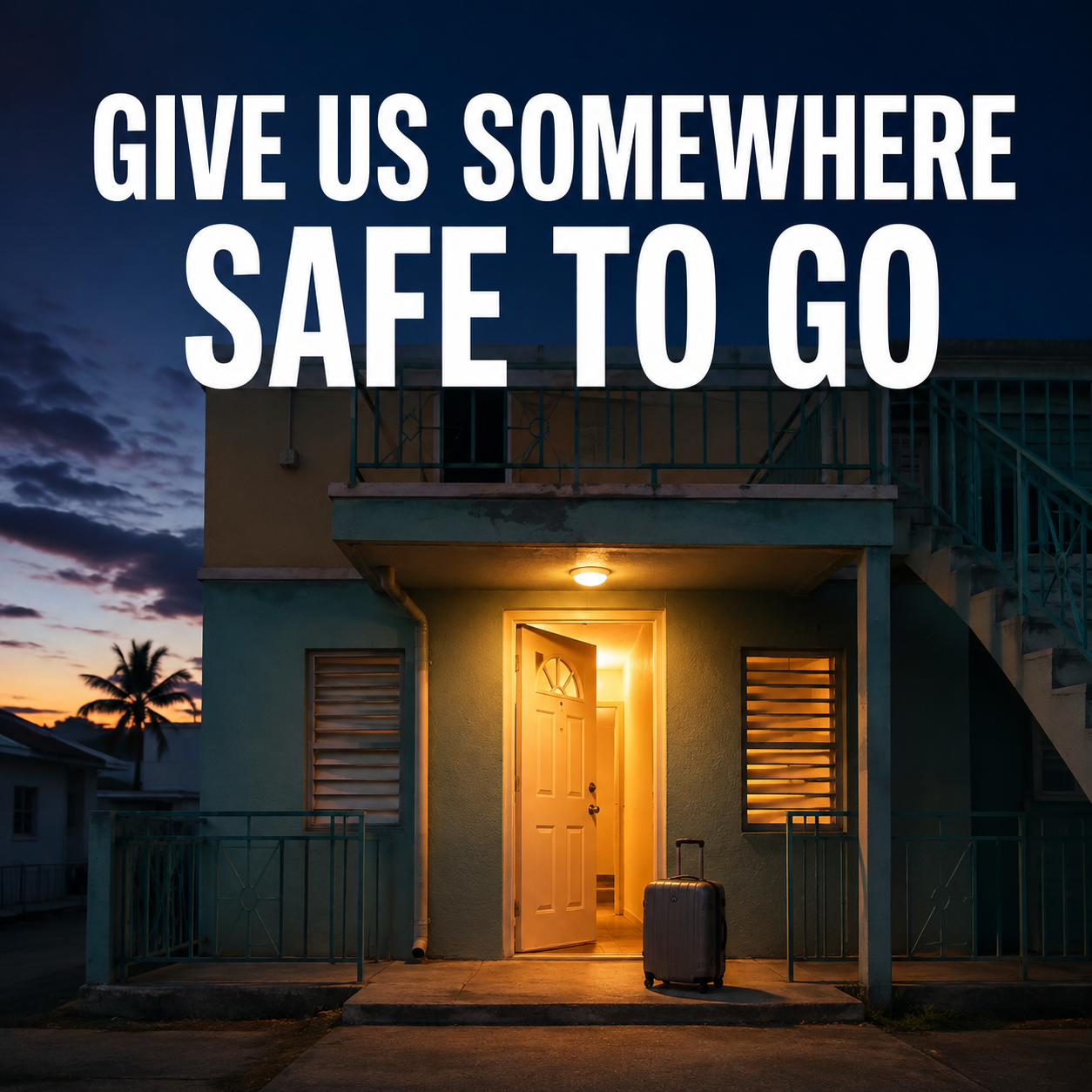
Dated August 30, 2026, an open, anonymous letter addressed to Prime Minister Gaston Browne of Antigua and Barbuda has thrown a harsh spotlight on the hidden crisis facing domestic violence survivors across the nation: a crippling lack of affordable, safe housing options for women and children escaping abusive relationships.
Writing under anonymity to protect herself and her young daughter from further harm, the author, a mother who marks one year of marriage this August, shares the agonizing reality that has become her daily life. She entered her partnership with the quiet hope of building a stable home and future, only to find herself trapped in an unsafe relationship with no clear path out. Leaving abuse, she explains, is rarely as simple as packing a bag and walking away. For many women, systemic barriers turn escape into an impossible choice: stay in a dangerous home, or face homelessness.
After taking the difficult legal step of securing a restraining order against her abuser, the author was forced out of the family home. Instead of receiving support, she has been publicly maligned as a villain and a liar for speaking out about her experiences. What haunts her most is the inability to give her young daughter the safe upbringing she deserves. She refuses to let her daughter grow up believing that safety is a secondary privilege to having a roof over one’s head, or that women are meant to endure mistreatment when they have nowhere else to turn. Right now, she cannot afford the cost of starting over, leaving her at risk of being forced back into the violent situation she worked so hard to escape.
The author stresses that her experience is not unique. Across Antigua and Barbuda, hundreds of women are stuck in the same impossible trap: they have packed their bags, coordinated their children’s belongings, reached out to contacts for temporary shelter, only to stare down sky-high rental prices they cannot afford. With no other options, they return to their abusers—not because the abuse has gotten better, but because they have nowhere else to go.
While the author commends the Antigua and Barbuda government for already moving forward with plans to establish a national safe haven shelter for survivors of domestic violence, she is calling for urgent additional action: the creation of a comprehensive, government-backed emergency and transitional housing program. Current shelter infrastructure, she argues, only solves part of the problem. What happens when a woman’s time in emergency shelter ends, but she still cannot afford private market rent? What happens to mothers with no family home to return to, or survivors who have secured legal protection but remain trapped by financial instability?
There must be a middle ground between an abusive home and homelessness, the author argues. She outlines a clear vision for the program: it would provide safe, subsidized transitional apartments or rooms for survivors and their children, cover rental deposits, and offer a clear pathway to permanent, independent housing. Even a small, modest program would be life-changing for countless women, she notes. Survivors do not need to be rescued—they just need a safe door to walk through to build their new lives.
The author shares that she has struggled with overwhelming emotional despair, to the point of questioning whether life is worth continuing. But she emphasizes that she does not want to die—she wants to live, to raise her daughter, to work and provide for her child, and to build a life free of fear. She refuses to become another statistic of domestic violence, and dreams of one day telling her daughter that even when life was terrifying, she found the courage to escape and build something better.
She is not asking for special treatment or luxury housing, only a modest, affordable, safe space where she can breathe, rebuild, and work toward independence. Closing her letter, she urges Prime Minister Browne to act urgently for all women currently trapped in her position: women with children, little to no savings, no family to turn to, and no safe place to sleep if they leave their abusers.
“That sentence could save a life,” she writes of the message a transitional housing program would send: You do not have to go back. There is somewhere safe for you and your children. A program like this would not just save the lives of adult survivors—it would save childhoods, give women the courage to leave, and teach the next generation that home is supposed to be a place of safety, not fear.
Even if she cannot escape her own situation, the author writes, she hopes her plea will create change for the next woman facing this crisis. “Don’t let a lack of affordable housing become the reason another woman stays somewhere that is destroying her,” she writes. “Give us somewhere to go. Give us a chance to start again.”