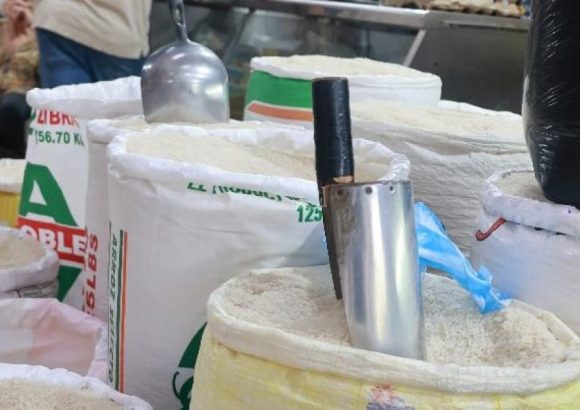
Even as Dominican public markets like the bustling New Market of Agricultural Villages brim with a full stock of consumer goods, and government officials maintain that overall price levels remain stable, a growing gap between official claims and household financial reality has left ordinary citizens struggling to make ends meet. Local consumers and vendors agree: while the nation’s domestic production chains have kept shelves fully stocked, the cumulative impact of rising costs and stagnant wages has eroded purchasing power across working families.
On a recent tour of Santo Domingo’s open-air markets, price checks reflected the government’s claim of moderate, stable pricing: bananas grown in Barahona retailed between 22 and 25 Dominican pesos (RD$) per unit, while Azua-grown varieties fell in the same range, and a standard unit of rice cost between RD$37 and RD$45, price points that on paper appear accessible for most Dominican households.
But for regular shoppers navigating monthly household budgets, these seemingly moderate prices have become a growing burden. Consumers explain that while nominal price increases have been gradual, years of stagnant wage growth have erased the buying power of working people, leaving even multi-income households unable to afford the same grocery basket they purchased just a few years ago.
“There is no shortage of products — we have rice, bananas, beans, everything you could need — but they cost more than working people can afford,” explained Pablo Hernández, a regular shopper. “The daily groceries we buy have not stayed aligned with when salaries were last increased, and that is the reality the government just does not see. Officials from every administration speak from a perspective that has nothing to do with what neighborhood families actually live with, and that goes beyond just food — it extends to every essential service families rely on too.”
Josefina Medina, another shopper, shared that her household has already been forced to restructure its biweekly grocery runs to cut costs, cutting out many staple items that used to be regular purchases. Even with three incomes from Medina, her husband, and her eldest daughter, the household can now afford less than it could years ago.
“With three salaries coming into my home, we still cannot eat what we want,” Medina said. “Food is already expensive enough, but on top of buying groceries, there are so many other bills that eat away at our pay checks before we even get to the grocery store.”
Frustration is not limited to shoppers, either: market vendors also reported growing struggles, with many noting that sales volumes have dropped sharply in recent months as consumers pull back on spending. While vendors confirm that product supply has remained consistent, with no widespread shortages recorded for quite some time, they say they are forced to pay higher prices for goods from producers, squeezing their own profit margins while leaving them unable to lower retail prices for cost-strapped consumers. Many vendors are now calling for a full review of the country’s agricultural marketing chain to address the growing disconnect between stable domestic production and unaffordable consumer prices.