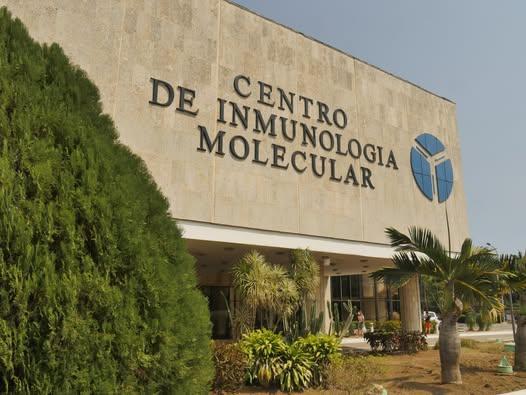
After years of targeted research focused on expanding local, accessible cancer treatment options, Cuban scientists at the island nation’s Center for Molecular Immunology (CIM) have announced that their novel immunotherapy candidate 2C12 is ready to enter its first clinical trial for patients with advanced melanoma. The announcement, shared officially via CIM’s public Facebook page on Monday, marks a key milestone for Cuba’s push toward domestic pharmaceutical sovereignty amid long-standing trade restrictions that limit access to costly imported cancer drugs.
Designed to function similarly to pembrolizumab, a widely used global immunotherapy that activates the body’s own immune system to attack malignant tumor cells, 2C12 was developed in response to two overlapping challenges: the exorbitant price tag of many cutting-edge cancer treatments on the international market, and Cuba’s constrained ability to import these life-saving medications due to the United States’ decades-long economic, commercial, and financial blockade. For Cuban patients and healthcare systems, the homegrown candidate offers a potential path to a more affordable, widely available alternative to currently inaccessible immunotherapies.
The first-phase clinical trial will enroll patients diagnosed with advanced melanoma, an aggressive form of skin cancer that has progressed to the point where surgical removal is no longer feasible or has spread to distant organs and tissues across the body. Multiple leading Cuban medical institutions will collaborate on the research, combining expertise from oncology centers across two provinces. In the capital city of Havana, teams from the National Institute of Oncology and Radiobiology and the Hermanos Ameijeiras Clinical Surgical Hospital will lead local trial operations, while the Dr. Celestino Hernández Robau Territorial University Oncology Hospital will oversee participant recruitment and care in Villa Clara province.
Patients or their family members interested in learning more about trial eligibility requirements and participation opportunities are directed to reach out directly to oncology specialists at the participating medical sites. For Cuban science, the advancement of 2C12 to clinical testing represents far more than a new potential cancer treatment: it is a tangible outcome of decades of investment in domestic biomedical research, and a major step forward in the country’s goal of building full sovereign capacity to develop and produce its own life-saving medications.