As Barbados undertakes a major overhaul of its mental health and elderly care systems through the $175 million Health Services Resilience Programme, expanding respite care and community support for unpaid family caregivers has emerged as a core policy priority. The commitment was confirmed during a public consultation hosted jointly by the Ministry of Health and Wellness and the Inter-American Development Bank at the Lloyd Erskine Sandiford Centre on Monday evening.
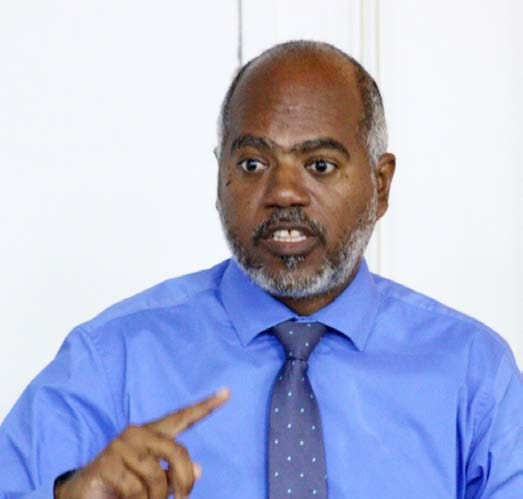
Responding to concerns raised by Kyla Branch, executive board member of the Barbados Alzheimer’s Association, Acting Chief Medical Officer Dr. Arthur Phillips highlighted that caregiver support is now woven into ongoing discussions across the broader mental health reform agenda, and will be a key topic when stakeholders convene to plan the second phase of the new Geriatric Hospital at Waterford.
Branch drew policymakers’ attention to the heavy, often unrecognized burden shouldered by informal family caregivers, who provide the vast majority of daily care for people living with dementia and other chronic mental health conditions. She stressed that as Barbados’ population ages, dementia can no longer be sidelined in public health planning, arguing that the neurodegenerative condition must be classified and addressed as a non-communicable disease (NCD) that requires early preventive action, rather than waiting for late-stage specialist intervention.
“We have to put preventative measures in place,” Branch said during the consultation. “We didn’t focus a lot in terms of NCDs particularly today, but I also want to urge everyone to recognise that dementia is an NCD. We can’t just wait for the specialist intervention.”
Branch also called for caregiver needs to be integrated into the design of new healthcare infrastructure, noting that most public discussion has centered on construction and clinical outcomes while overlooking the impact of caregiving on family units.
Dr. Phillips echoed many of Branch’s points, explaining that the overarching goal of the reform is to enable people requiring care to stay in their own homes and familiar communities for as long as medically possible, a model that delivers better outcomes for patients. When people can remain in supported community settings with periodic short-term respite stays for caregivers to rest, that arrangement benefits both patients and their families, he argued.
“Where people can stay in the community with supports, where they can come into a facility to allow respite, where their family members can have support, that is better for everyone, including for the client,” Phillips said. “Remaining in familiar surroundings could also reduce the likelihood of patients becoming confused or getting worse.”
He added that caregiver support is not limited to the Roseville Halfway House facility, but is being integrated into the entire community-focused restructuring of Barbados’ mental health system. Dr. Phillips also reaffirmed the government’s broader commitment to expanding care delivery in community and primary care settings, where early intervention can alter disease progression and improve long-term management for chronic conditions.
Consultant Leisa Perch clarified that caregiver needs are already being incorporated into the environmental and social assessment phase of the Health Services Resilience Programme, extending beyond just recognition of their care work to address practical needs such as ongoing access for family members to their loved ones receiving treatment. These considerations are already shaping the design of new healthcare facilities, the development of emergency protocols, the design of support systems, and the integration of digital health tools into the programme.
Perch emphasized that the programme’s goal is to center caregivers as core participants in the care process, rather than treating them as afterthoughts. She also noted the critical need to distinguish between paid professional caregivers and the large group of unpaid informal family caregivers, a population that is often overlooked in public health planning. “It is sometimes the… group that we forget,” Perch said.
Dr. Phillips also confirmed that public health leaders agree with Branch’s framing that dementia prevention and management is tightly linked to broader NCD control efforts, aligning the government’s approach with the call from Alzheimer’s Association leaders.