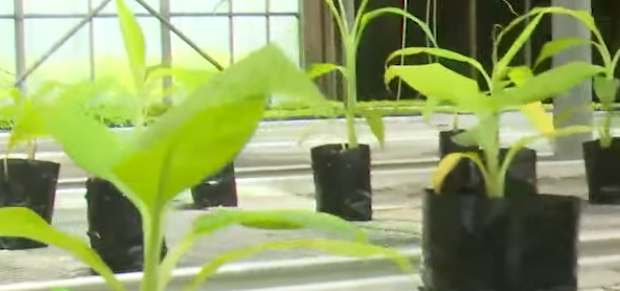
The Caribbean island nation of Dominica is making a strategic investment in long-term agricultural stability via its state-of-the-art Tissue Culture Laboratory based in Portsmouth, a facility that is transforming local farming output and disaster readiness. Capable of generating over 500,000 disease-free, high-quality plant specimens annually, the lab directly addresses a longstanding gap in the local agricultural supply chain by expanding consistent access to robust, healthy planting material for smallholder and commercial farmers across the island. Beyond boosting routine production, the facility is designed to dramatically strengthen the overall resilience of Dominica’s farming sector, which has long faced threats from climate-driven extreme weather events.
Speaking at a post-Budget town hall gathering hosted in the community of Loubiere, Roland Royer, Dominica’s Minister for Agriculture, Fisheries, Blue and Green Economy, outlined the far-reaching benefits of the laboratory and its impact on both industry development and local employment. A key, often overlooked highlight of the initiative is that the entire operation is staffed and led by young, skilled Dominican professionals. These specialists gained cutting-edge technical expertise through specialized training programs overseas, fully funded by the Dominican government, creating a circular model that empowers local talent while driving national agricultural progress. After completing their training, the young experts returned to their home country to apply their skills to advancing the domestic agriculture sector.
A core secondary function of the facility that underscores its role in national climate resilience is its purpose-built secure seed storage infrastructure, which delivers critical disaster-preparedness value to the island. Minister Royer emphasized that this controlled storage capacity guarantees that irreplaceable critical planting material will remain protected and accessible, even in the aftermath of catastrophic weather events. When hurricanes or other natural disasters — recurring hazards for small island developing states like Dominica — damage existing crops and destroy local seed stocks, the lab can rapidly deploy its stored and pre-grown healthy planting material to speed up the recovery of the country’s agricultural sector, helping farmers get back to production far faster than would otherwise be possible.