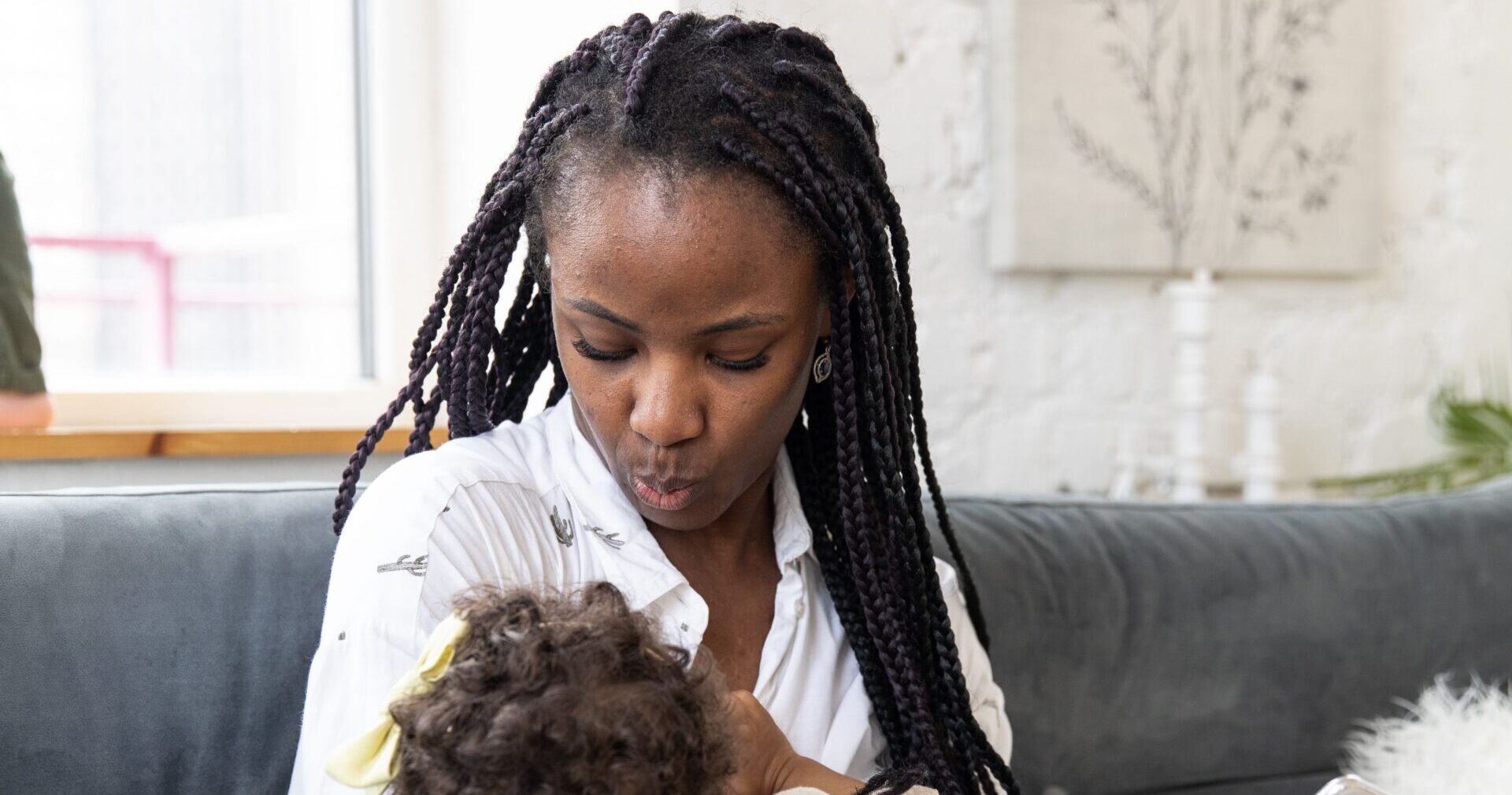
The air in a delivery room falls still, broken only by the raw, distinctive cry of a newborn entering the world. Moments after birth, the infant is laid skin-to-skin on their mother’s chest, tiny fingers unfurling as they acclimate to the unfamiliar space outside the womb. Driven by innate instinct, the child slowly moves toward the breast to take their first feed, drinking in colostrum — the thick, golden “first milk” packed with critical nutrients and disease-fighting antibodies that shield this fragile new life. This carefully documented, life-setting window is known as the “golden hour”: the first 60 minutes after birth, when immediate skin-to-skin contact and early breastfeeding lay the foundation for strong parent-child bonding and give infants a healthy, sustainable beginning. While this practice may seem like a universal, natural right, it remains out of reach for far too many mothers across the Caribbean region.
Every year from August 1 to 7 since 1992, global communities mark World Breastfeeding Week, an initiative first launched by the World Alliance for Breastfeeding Action (WABA) to draw global attention to the transformative health benefits of breastfeeding for growing infants. For 2026, the World Health Organization (WHO) has selected the theme “Breastfeeding is a sustainable start to life: strengthen what works”, underscoring the practice’s irreplaceable role in supporting lifelong healthy development. Beyond its well-documented benefits for infants — including boosted immunity, reduced risk of childhood infections, lower rates of sudden infant death syndrome (SIDS), and secure emotional bonding between mother and child — breastfeeding also delivers significant advantages for birthing mothers. It lowers maternal stress levels, deepens the early parent-child connection, supports postpartum recovery through stimulating uterine contractions, and aids healthy gradual weight loss after birth.
However, 2023 data from UNICEF reveals a stark gap in breastfeeding access and uptake across Latin America and the Caribbean: just 4 out of 10 infants under six months old are exclusively breastfed in the region, falling far short of the global average of 65%. This figure is deeply worrying, even as governments and health organizations across the region — including Trinidad and Tobago’s Ministry of Health, which has run extensive public awareness campaigns — have worked to highlight breastfeeding’s wide-ranging benefits. Public health advocates are now pressing for answers to a critical question: why do breastfeeding rates remain so low across much of the Caribbean? Possible root causes range from a lack of dedicated, accessible spaces for breastfeeding in public and workplaces, lingering cultural stigma around public breastfeeding, to persistent gaps in public understanding of the long-term health benefits of the practice for both mothers and children.
Public health experts have outlined several evidence-based solutions to address this gap. One key intervention is expanding dedicated breastfeeding support centers in maternal health wards, building on the Pan American Health Organization’s (PAHO) long-running Baby Friendly Hospital Initiative. This program is already active in 35 countries across the Americas, including Caribbean nations Trinidad and Tobago, Jamaica, Guyana and Grenada, with a core mission to protect, promote, and support comprehensive breastfeeding care for new mothers. Another critical step is expanding in-person awareness campaigns targeting isolated rural communities, ensuring that information and support reach all demographic groups, not just urban populations with easy access to digital and printed health resources. Finally, expanded ongoing support from community health nurses is needed across the region to address post-discharge barriers, particularly workplace challenges that force many mothers to stop breastfeeding soon after returning to work from maternity leave.
As global stakeholders mark World Breastfeeding Week 2026, public health advocates across the Caribbean emphasize that breastfeeding is a foundational public health intervention that benefits both maternal and child health. Closing the region’s breastfeeding gap will require targeted, inclusive strategies that reach all groups of mothers, removing structural and social barriers to ensure every infant can get the strong, sustainable start to life that breastfeeding provides.