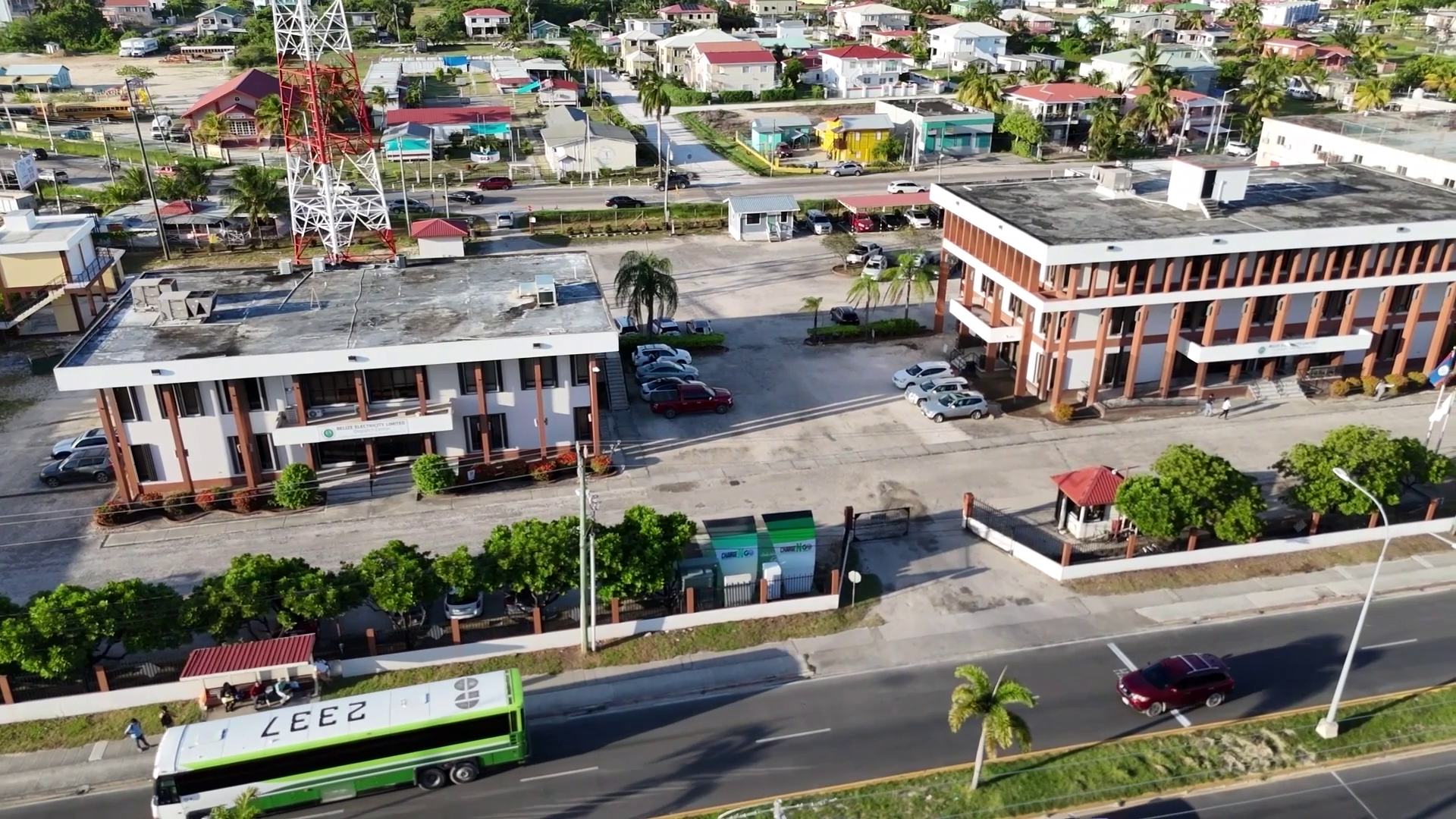
As temperatures climb across Belize, a wave of consumer frustration over skyrocketing electricity bills has pushed the national power provider BEL and government officials to the table to address growing public discontent. The August 2026 gathering comes as BEL confirms a sharp year-over-year rise in customer bill disputes, with hundreds of residents questioning unexpected spikes in monthly energy charges that have stretched already tight household budgets.
During a two-hour public explanation session led by BEL Executive Chairman Lynn Young alongside Public Utilities Minister Michel Chebat and Chief Executive Officer Dr. Leroy Almendarez, officials outlined multiple contributing factors behind the sudden bill increases. Young acknowledged that a small share of jumps stem from administrative and technical errors: some customers were hit with unexpected accumulated unpaid balances they had never been notified of, while inaccurate readings from old meters created a backlog of uncharged usage that only appeared on statements after outdated devices were replaced. In rare cases, the company also identified unauthorized meter tampering that led to catch-up charges appearing on subsequent bills.
But Young, a trained mechanical engineer, repeatedly emphasized that rising seasonal temperatures are the dominant driver of higher energy consumption across the country. He explained that cooling-dependent appliances work far harder in extreme heat to maintain comfortable internal temperatures: air conditioning units can consume 50 to 60 percent more energy than they do during milder weather to offset the larger gap between indoor and outdoor temperatures. Refrigerators and freezers require extra power to keep food at safe storage temperatures, while even small devices like computers and internet routers have internal cooling fans that run more constantly and use more energy when external temperatures rise. Beyond electronics, increased hot weather also means more frequent water pump use as residents take more showers to cool off, adding to overall household energy demand.
For many Belizean households already grappling with broader cost-of-living increases, the explanation has done little to ease the financial pressure of bills that have jumped by hundreds or even thousands of dollars in some cases. Minister Chebat acknowledged the severity of the burden facing residents, confirming that the government is not ignoring the growing crisis. “People are complaining that they are facing difficulties to pay these electric bills and it is a reality,” Chebat stated. “Government is not deaf and we are working to see what we can do to alleviate this. We have done a lot of things to try to help reduce the cost of living and burden that people are facing.”
As the 2026 dry season continues to push temperatures higher, consumers remain skeptical of the official explanation and are calling for greater transparency around billing practices and meter accuracy. For families already stretching every dollar to cover basic needs, the question now is not just why bills are rising, but how many will be able to afford to keep the power on as temperatures continue to climb. This report, based on a televised broadcast from News Five, was filed by correspondent Paul Lopez.