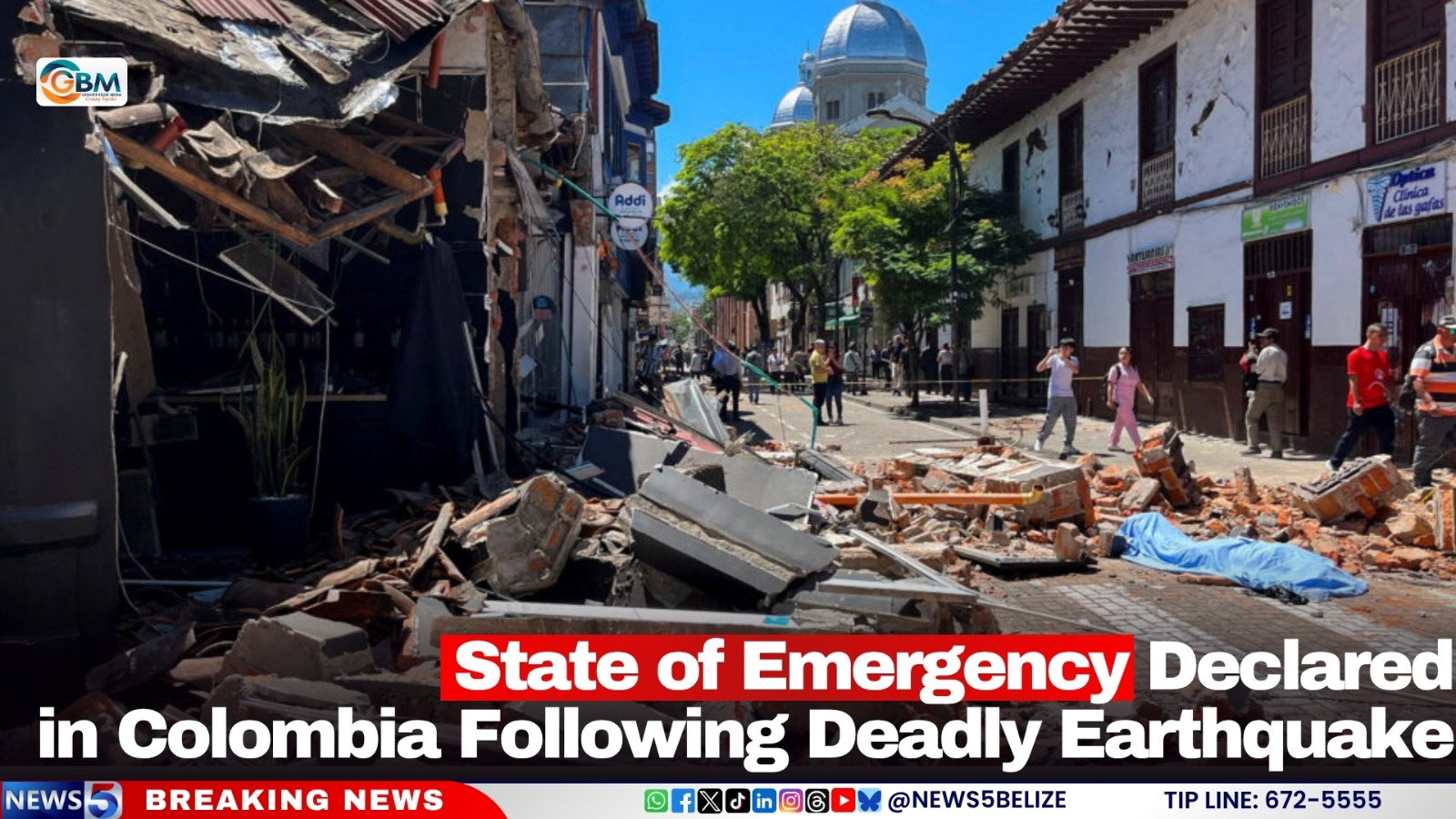
On August 10, 2026, a powerful 7.4-magnitude earthquake struck western Colombia, triggering one of the worst seismic disasters the nation has seen in modern history. Eleven days after the tremor hit, Colombian President Abelardo de la Espriella announced a national state of emergency covering 15 hardest-hit regions, a measure designed to unlock rapid budget reallocation and speed up the government’s disaster response and recovery efforts.
As of the latest official update, the death toll from the quake has climbed to 319, with more than 4,600 people sustaining injuries and at least 260 people still unaccounted for. Colombia’s National Unit for Disaster Risk Management (UNGRD) confirmed that this earthquake is the deadliest seismic event recorded in the country in recent decades. Emergency search and rescue teams have managed to pull 364 survivors out of the rubble of collapsed buildings across the affected zones.
The physical destruction caused by the quake is catastrophic. Official statistics show more than 30,000 residential properties have been completely destroyed, and nearly 137,000 additional homes have suffered severe structural damage. Over 300 public and private buildings have collapsed entirely, and critical community infrastructure including schools, hospitals, and transportation networks have sustained widespread damage across western Colombia.
In major urban centers like Cali and Pereira, structural engineers have deemed hundreds of surviving buildings unsafe for occupancy, issuing formal warnings banning people from reentering the properties. Five regional airports across the country remain inoperable due to severe damage, throwing local and regional transportation networks into disarray.
For communities near the earthquake’s epicenter in San José del Palmar and across the wider Chocó region, the delivery of life-saving emergency relief has been severely hampered by the destruction of infrastructure. Blocked mountain roads, broken water aqueducts, and a steady stream of ongoing aftershocks continue to slow aid distribution, leaving many remote, isolated communities without access to critical supplies and medical care. The Colombian government estimates that full reconstruction of all damaged and destroyed infrastructure across the country could cost as much as 40 trillion Colombian pesos.