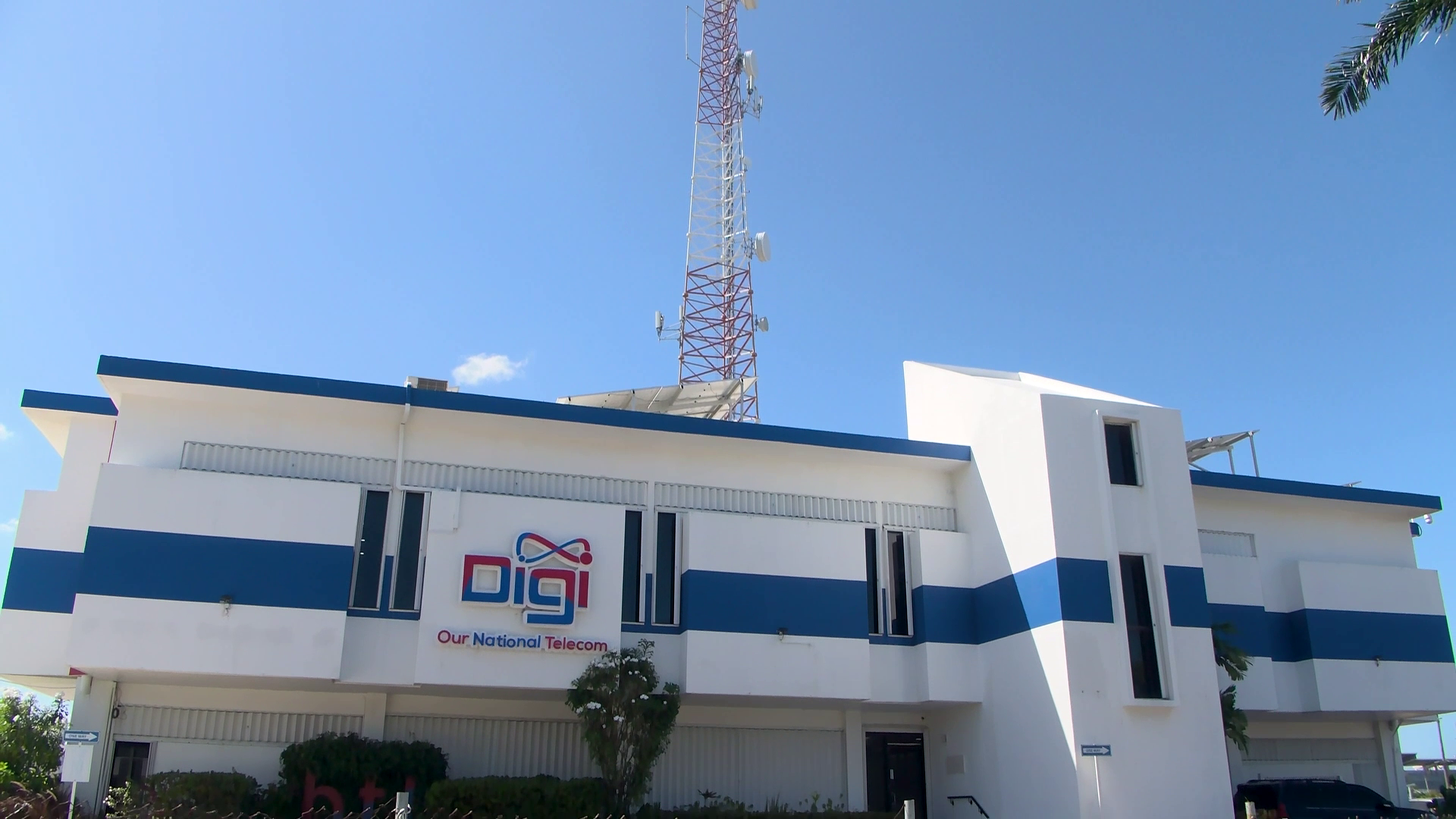
On August 19, 2026, Belize Prime Minister John Briceño found himself at the center of two overlapping political controversies tied to the country’s telecommunications sector, pushing back against accusations of unilateral decision-making and rejecting growing trade union demands for leadership changes at state-linked telecom provider Belize Telemedia Limited (BTL).
The first dispute centers on the scrapped planned acquisition of rival telecom operator Speednet by BTL. Recent public speculation has claimed that Briceño personally blocked the deal without consulting his full Cabinet, moving before ministers could hold a formal vote on the proposal. During a press question-and-answer session with reporters, Briceño denied these claims outright, stating that the decision to abandon the acquisition at its current stage was a collective call made by Cabinet. While he emphasized that all internal Cabinet discussions are protected by confidentiality rules and declined to share detailed deliberations, he confirmed that he did not make the final choice independently. Briceño also framed the cancellation as the most prudent policy move for Belize at this time.
Briceño also addressed the aggressive public statement released by Speednet following the deal’s rejection, which many political observers have interpreted as a veiled threat to the government and market stability. The Prime Minister pushed back against this reading, noting that Speednet’s statement acknowledged public calls for increased competition in Belize’s telecom sector and committed the company to competing openly in the market. He argued the response was not a threat, but simply a signal that Speednet would position itself to take advantage of the open competition Belizean consumers have demanded.
When questioned about existing regulatory measures overseen by the Public Utilities Commission (PUC), Briceño clarified long-standing regulatory rules governing the sector. He explained that the existing Statutory Instrument (SI) only caps BTL’s ability to raise prices, a rule aligned with public demands to keep telecom costs affordable for consumers, and does not restrict any operator from lowering prices to compete. He also noted that the current regulatory framework aligned with a prior court ruling that mandated open competition in Belize’s telecom market, a decision that came after the opposition challenged an exclusive contract awarded to Speednet.
The second controversy pits the Briceño administration against Belize’s major trade unions, which have issued a set of demands including the immediate resignation of BTL Chairman Markhelm Lizarraga, alongside a 90-day deadline for the government to meet their requests, which also include changes to PUC leadership and enacting long-pending legislation. Unions have claimed that Lizarraga and the BTL board acted against the public interest in pursuing the Speednet acquisition.
Briceño defended Lizarraga and the full BTL board, arguing that they have committed no wrongdoing. He pointed out that the board had not actually approved the acquisition, only voted to conduct additional due diligence to assess the feasibility of a purchase, and that no final decision to move forward with the deal had ever been made. Rejecting the union’s consensus that the chairman violated public trust, Briceño said he simply does not agree with their assessment.
When asked whether the government would comply with the full slate of union demands, Briceño said only that the administration would review the requests. Pressed on whether the government would consider adding union representation to BTL’s board to create a tripartite governance structure, the Prime Minister said he had not yet made a decision on the proposal and declined further comment. When asked if BTL would withdraw its pending regulatory application before the PUC, Briceño said he had no information on the matter before ending the press session.
As the 90-day deadline set by unions ticks down, political uncertainty remains high in Belize. Questions linger over whether the Briceño administration will ultimately concede to union pressure or maintain its current position, and whether unions will move forward with mass mobilization and public protests if their demands are not met. Local political observers continue to monitor developments closely as the situation evolves.