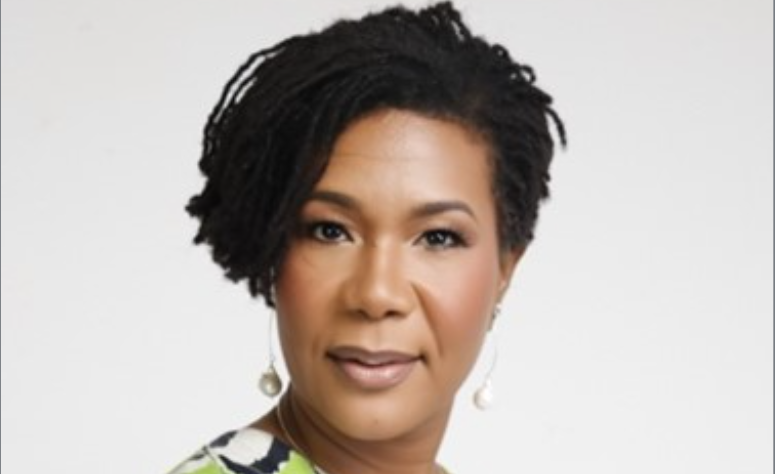
As efforts to address historical injustices and reclaim stolen cultural heritage gain global momentum, The University of the West Indies (The UWI) has announced that one of its leading scholars will join a new international expert panel advancing the restitution of African cultural heritage. Professor Sonjah Stanley Niaah, director of The UWI’s Centre for Reparation Research and interim head of the university’s Indigenous and Maroon Studies Institute, brings decades of specialized research and advocacy to this new global role, joining a cohort of 10 other experts drawn from across Africa and the African diaspora.
The formation of this panel is rooted in years of global diplomatic and institutional action centered on redress for the transatlantic trafficking of enslaved Africans. The body was established following the High-Level Consultative Conference on the Next Steps to the United Nations Resolution on the Trafficking of Enslaved Africans, which took place in Accra, Ghana in June 2026. It aligns with the United Nations General Assembly Resolution A/RES/80/250, which formally designated the trafficking of enslaved Africans and racialized chattel slavery as the gravest crime against humanity in modern history. The panel’s launch also follows direct bilateral discussions between Ghanaian President John Dramani Mahama and UWI Vice-Chancellor Professor Sir Hilary Beckles, held during President Mahama’s visit to The UWI Regional Headquarters in Jamaica earlier this August 2026.
In comments shared via The UWI’s official press statement, Professor Stanley Niaah emphasized that the appointment aligns with her lifelong professional and personal mission. “I am standing squarely within my purpose to make a difference in the lives of people of African descent through a life of service in education, research, and activism, from which we can see real change,” she said. “I am honoured to be invited to serve in this global capacity for restitution of cultural heritage, a reparatory justice issue which is very close to my heart.”
The 11-member panel, which includes experts from Egypt, Peru, Ghana, Nigeria, South Africa, Senegal, Benin, Mauritius, and the United States, will hold its first official meeting on August 20, 2026. Tasked with a broad mandate to transform cultural heritage restitution from scattered symbolic gestures into a structured, accountable global practice, the group will deliver strategic and policy guidance to stakeholders worldwide.
Key priorities for the panel include developing a comprehensive global action plan for restitution, expanding centralized international databases to track and identify cultural artifacts held outside their countries of origin, and creating standardized global frameworks for formal restitution claims submitted by source nations and cultural institutions. The body will also work to establish clear, practical timelines for the phased repatriation of stolen artifacts, while embedding transparency and accountability into every step of the process. Additionally, the panel will support capacity building for cultural institutions in source countries, helping strengthen museums, archives, and heritage organizations to better receive, preserve, and contextualize returned collections for local communities.
A core overarching goal of the panel is to elevate cultural heritage restitution as a priority issue in international diplomacy, cross-border cultural cooperation, and global justice discourse, pushing beyond high-profile symbolic returns to deliver large-scale, meaningful repatriation that benefits descendant communities.
Professor Stanley Niaah’s track record of scholarship and advocacy makes her a uniquely suited contributor to the panel’s work. A renowned cultural studies scholar, her research has reshaped global conversations around Caribbean heritage, cultural identity, and historical justice. In addition to her leadership roles at The UWI, she serves as Editor of the *Journal of Caribbean Sound & Music Cultures*, a leading publication focused on Caribbean expressive cultures. Internationally, she represents Jamaica on the International Scientific Committee of UNESCO’s Routes of Enslaved Peoples Project, where she has worked for years to document and center the histories and ongoing legacies of enslavement across the globe.
In its announcement, The UWI highlighted that Professor Stanley Niaah’s selection reflects widespread international recognition of her expertise, and the far-reaching impact of her scholarship, teaching, advocacy, and public engagement on global conversations about cultural sovereignty and reparatory justice. Beyond the individual appointment, the placement gives the Caribbean a significantly amplified voice in global restitution efforts, ensuring that the unique heritage priorities and community interests of Caribbean populations are centered in global policy development.
The UWI also noted that the appointment is expected to open new avenues for cross-institutional partnership, expand access to global resources for Caribbean heritage work, and grow cultural exchange opportunities across the region. These benefits are projected to strengthen the capacity and international profile of Caribbean museums, heritage institutions, and cultural practitioners.
For The UWI, Professor Stanley Niaah’s appointment further underscores the institution’s longstanding leadership in advancing global action for cultural sovereignty, historical justice, and reparatory initiatives. “We take immense pride in seeing one of our most distinguished scholars contribute to this critical international effort,” the university stated.