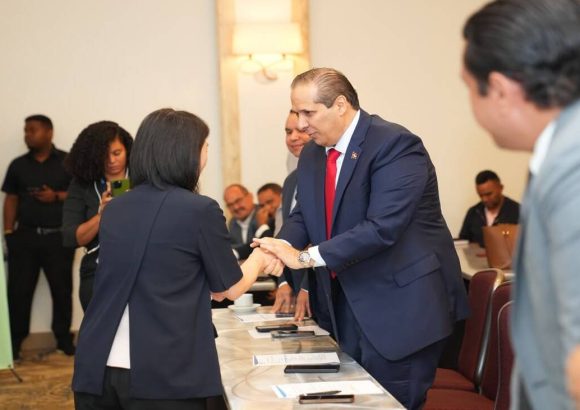
In the Dominican Republic, national health authorities have rolled out a new frontline training initiative designed to upgrade prenatal care services and lower preventable maternal and newborn health risks across two underserved border provinces, Dajabón and Elías Piña.
The joint effort, led by the country’s Ministry of Health and National Health Service (SNS), brings together global partners for both financial and technical backing: the Korea International Cooperation Agency (KOICA) is covering the program’s core costs, while the Pan American Health Organization/World Health Organization (PAHO/WHO) provides expert technical guidance. The training forms a core component of a broader long-term project targeted at strengthening primary-level maternal and child health services across the two provinces.
Dominican Health Minister Víctor Atallah emphasized that expanding access to high-quality prenatal care stands as a top public health priority for the current administration. He noted that consistent, routine prenatal checkups are a critical first line of defense, allowing clinicians to catch potential health risks early, head off life-threatening complications before they escalate, and guarantee that expecting mothers receive timely, evidence-based care throughout their pregnancy.
The intensive three-day training curriculum covers a full spectrum of essential prenatal care skills, including comprehensive whole-pregnancy health assessments, detailed medical history documentation, evidence-based prenatal nutrition guidance, maternal vaccination protocols, patient counseling for expecting families, continuous fetal monitoring techniques, and personalized birth planning. Trainees also build specialized capacity to recognize and respond to urgent obstetric warning signs, such as pregnancy-induced hypertension, abnormal bleeding, and maternal infections. Additionally, the program strengthens participants’ ability to coordinate community-level health monitoring and streamline referrals for high-risk pregnancies that require advanced hospital care.
SNS Director Julio Landrón explained that the overarching goal of the training program is to advance health equity, ensuring every pregnant woman in the two provinces can access timely, comprehensive prenatal care no matter her residential location or socioeconomic status. As part of the broader project, health authorities will also upgrade infrastructure and services at 31 existing prenatal care centers in Dajabón and 19 more in Elías Piña, with coordinated outreach involving provincial hospitals, practicing physicians, nursing staff, community health promoters, and local basic health management teams.