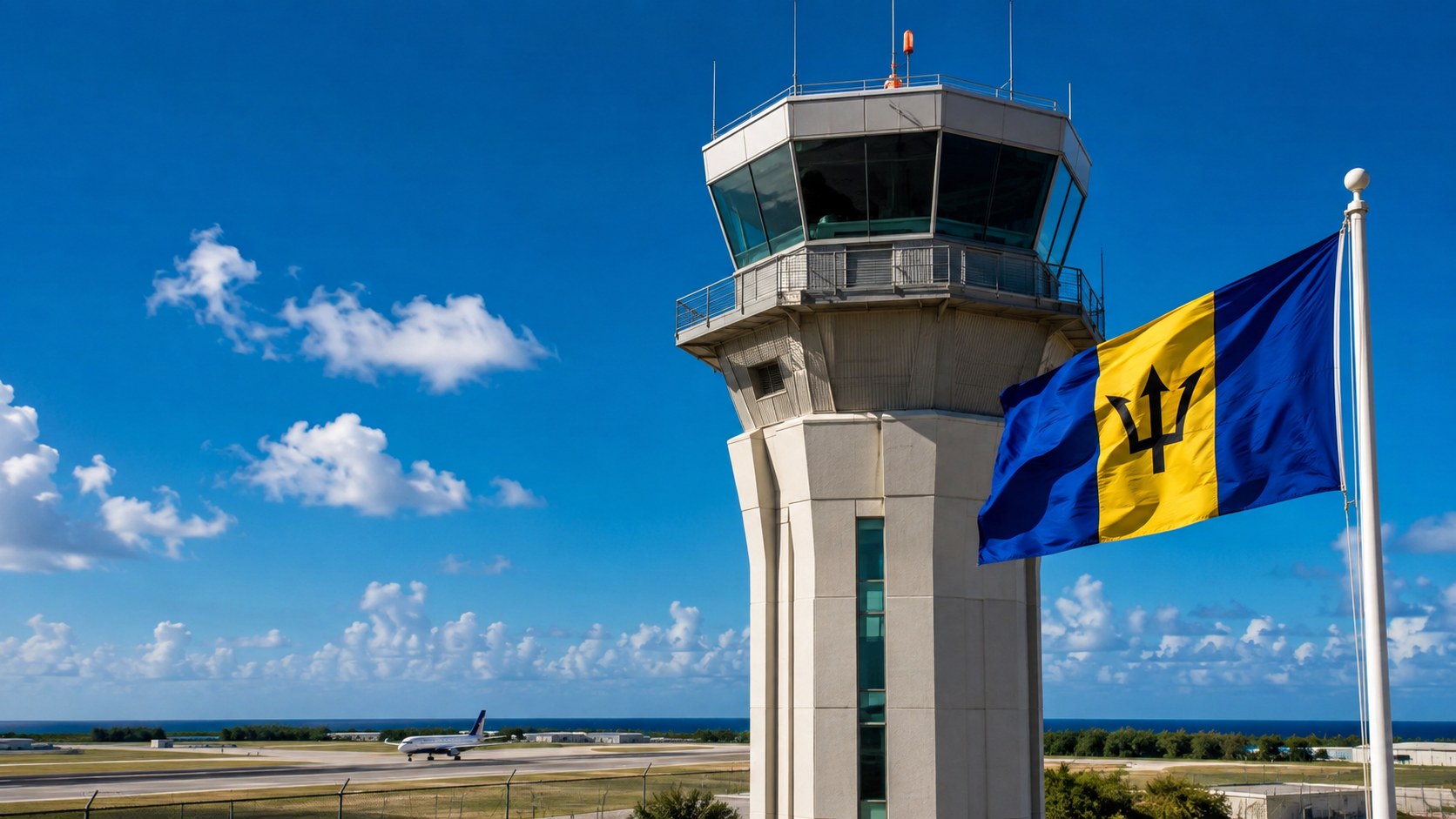
Barbados is at risk of losing its highly skilled air traffic controller workforce to higher-paying regional neighbors if urgent pay adjustments and improved professional recognition are not implemented, the National Union of Public Workers has cautioned. Acting general secretary Wayne Walrond recently emphasized that the specialized work carried out by Barbadian air traffic controllers, which forms the backbone of national aviation safety and the island’s $5.7 billion tourism industry, is drastically undercompensated compared to peers across the Caribbean. According to Walrond’s data, a typical air traffic controller in Barbados earns approximately $5,000 per month, a figure that pales in comparison to the $8,000 to $10,000 or more annual? No, monthly: the $8,000 to $10,000 or more monthly pay offered to qualified controllers at other Caribbean aviation facilities. Beyond the pay gap, Walrond underscored the extreme level of responsibility that comes with the role: every day, Barbadian controllers are tasked with managing the safe takeoff and landing of commercial and private aircraft carrying hundreds of domestic and international passengers, a single error in which could lead to catastrophic loss of life and irreversible damage to Barbados’ reputation as a safe travel destination. Walrond also used the address to draw attention to the undervalued role of aeronautical information service officers, whose behind-the-scenes work providing up-to-date, accurate flight and airspace data is critical to enabling smooth, efficient, and safe aviation operations across the country’s airports. The union’s warning comes as Caribbean nations increasingly compete for skilled aviation workers, with many neighboring islands offering more competitive compensation packages to attract qualified talent from smaller regional labor markets. Industry analysts note that a mass departure of experienced controllers would lead to flight delays, reduced airport capacity, and potential safety gaps, posing a direct threat to Barbados’ core tourism sector that supports more than 30% of the island’s domestic employment.