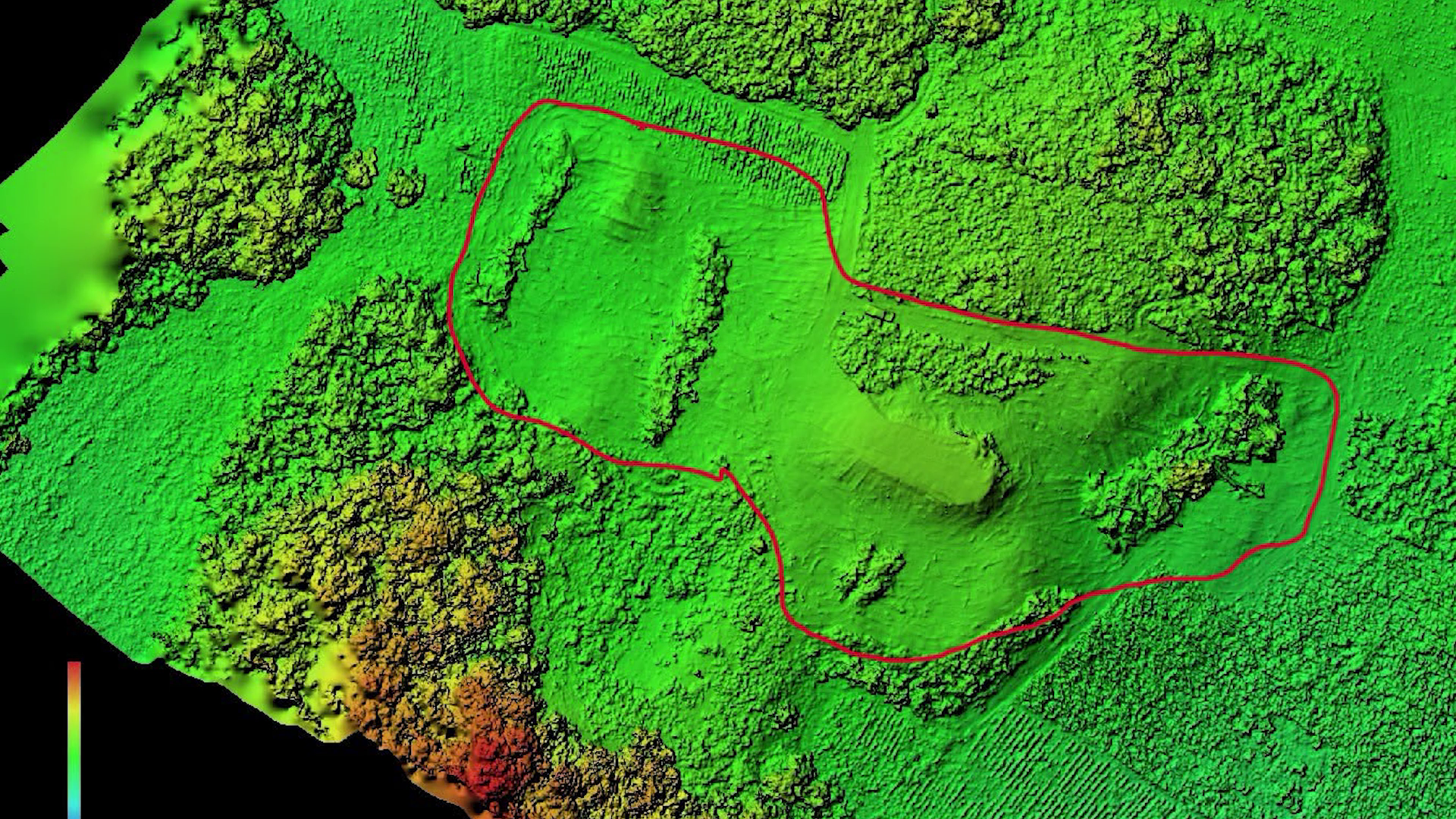
In a devastating blow to Belize’s cultural heritage preservation efforts, a section of an ancient Maya archaeological site in northern Belize has been destroyed by unauthorized heavy machinery activity, with investigators now working to identify the party responsible.
The damage occurred at Complex D of the El Pozito archaeological site, located close to Guinea Grass Village in the Orange Walk District, according to officials from Belize’s Institute of Archaeology. The destruction comes just a few months after a team of research archaeologists completed a comprehensive new survey of the site, which was already being actively monitored by authorities due to ongoing land clearing operations in the surrounding area.
Josue Ramos, senior archaeologist at the Institute of Archaeology, described the incident as a major setback for efforts to protect and document Belize’s ancient Maya legacy. He emphasized that safeguarding the country’s irreplaceable cultural heritage is a shared responsibility across all sectors of society, from private landowners to commercial developers.
Under Belizean law, all registered ancient monuments and archaeological sites receive legal protection regardless of land ownership – whether the land is privately held, leased, or publicly owned crown land. In a 2024 amendment to the National Institute of Culture and History (NICH) Act, government officials successfully pushed through harsher penalties for unauthorized destruction of cultural sites, raising maximum fines from just $5,000 to $75,000 and increasing potential prison sentences from two years to five years for first-time offenders convicted of site damage.
Ramos noted that the institute has put in place a clear collaborative framework to balance development needs with cultural heritage protection, rather than halting private development entirely. Under processes formalized with the 2023 Archaeological Impact Assessment policy, the institute works directly with landowners undertaking construction or land clearing projects. Officials notify landowners of the potential for undiscovered archaeological features on their property, provide a roster of accredited archaeologists to conduct impact assessments, and review mitigation plans proposed by lead archaeologists to ensure development proceeds in a heritage-friendly manner.
“We are here not to stop development, but to work with people and ensure that development is done sustainably,” Ramos explained.
Following the incident at El Pozito, archaeologists have issued a renewed warning to all developers, agricultural operators, and private landowners across Belize: it is a legal and ethical requirement to complete due diligence and consult with Institute of Archaeology authorities before beginning any land-altering work that could impact unrecorded or protected archaeological sites.