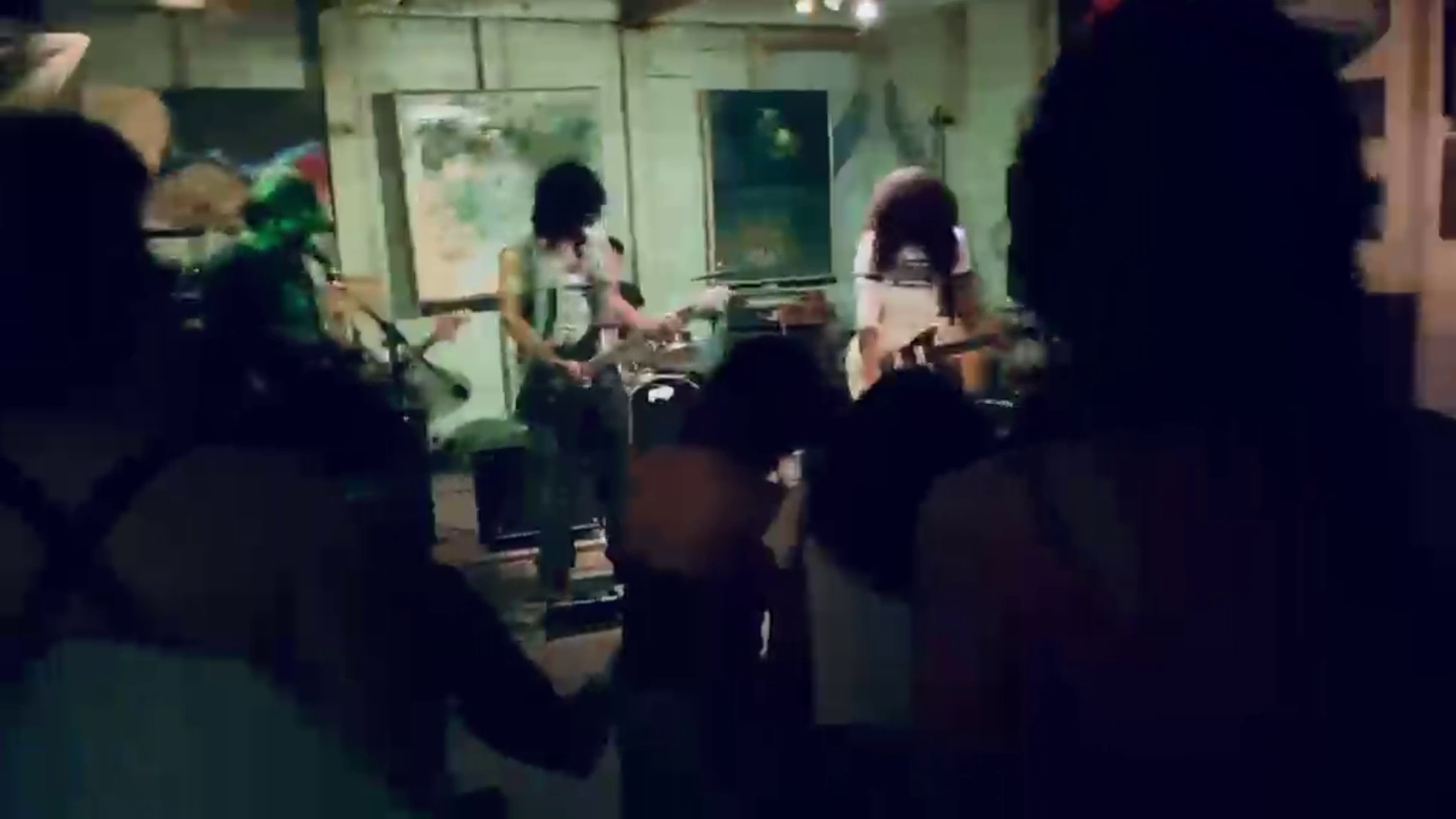
For generations, music from Belize has served as a living tapestry of the nation’s experiences, weaving together stories of love, loss, community gathering and everyday life. While traditional Belizean sounds continue to evolve through the work of veteran artists, a quiet, steady revolution has been unfolding in the nation’s underground creative spaces: a growing alternative music movement that is carving out space for a new generation of creators. News Five intern Devin Sabal explores how this emerging cohort of musicians is balancing modern alternative expression with deep ties to Belize’s rich cultural roots.
A small group of independent artists including Vivian “Viv” Marin, the band Messmer, and solo act Duck have spent years building Belize’s alternative scene from scratch. Genres like dreampop and shoegaze — hazy, atmospheric subgenres of alternative music that trace their lineage to post-punk and new wave — form a core part of the movement’s sound, but the community embraces a far broader range of experimental styles that exist outside Belize’s mainstream music industry.
Elson Portillo, guitarist for the college-formed five-piece band Messmer, has watched the scene expand dramatically since the group first formed. “When we started there was only one other band here in Cayo that we could play with. And now there’s about, I think I could name about 6 bands that are kind of in the scene, you know?” Portillo said. Though the band faced an uneven welcome in its early days, it has prioritized building a supportive community that encourages new creators to make authentic music that speaks to their experiences.
Viv, a multimedia artist based in San Pedro Town, blends her signature dreamy, ethereal sound with distinctly Belizean cultural influences in tracks like “Integrity” and “Velvet Riddim.” Beyond audio, she incorporates striking original visuals into her self-produced music videos, creating immersive full-spectrum experiences that give each track an independent life. Viv works entirely independently, handling production, creative direction and visuals on her own, which means she often faces tight budget constraints and limited infrastructure for experimental work in Belize.
“I think the biggest limitation is the fact that experimental music is a bit of a stigma in Belize, I feel, sometimes. Like it’s not, there’s not really a space built for it here. And I feel like when people are doing something different, not what people expect, the resources and the platform can feel super limited and I definitely get some pushbacks,” Viv explained. Still, she frames constraints as a catalyst for creativity: “I do everything independently, from the production to the visuals side of it. So I’m constantly dealing with budget limitations and trying to work with what I have but honestly those walls kind of, it just kind of forces me to be more creative with it you know?”
Contrary to common perceptions that frame alternative music as an entirely foreign import disconnected from Belizean identity, veteran producer Randy Sutherland — who has worked with artists across local and international genres — points out deep commonalities between the new alternative movement and Belize’s traditional musical heritage. “Guitar I think has been one thing that’s been fundamental in Belizean genres and now it’s just that like next step right? It’s combining Belizean sounds for example Viv, the artist that you worked with, she has worked with Belizean producers to take that Belizean Sound: Paranda, all these other genres and combined them with indie, funk, jazzy type stuff so I think that’s like the combination,” Sutherland said.
The movement is already earning international attention beyond Belize’s borders. In a 2025 October scene report, popular independent music platform Bandcamp highlighted Duck’s debut EP *Love Letters*, introducing Belize’s alternative sound to a global audience. Viv’s collaborative work with Sutherland also caught the eye of Thomas Mars, lead vocalist of the internationally acclaimed French alternative band Phoenix, who expressed surprise and fascination at the existence of a Belizean alternative scene.
“He was shocked that there was even indie music in Belize or alternative music. Because he didn’t know that Belizeans even knew about that. So he was fascinated and wanted to see more of like that combination of Belizean genres because he’s heard Garifuna music, he wants to see that combined with very slow rock slash alternative slash indie music from Belize. So yeah I think that in some way shape or form Belizeans will create their own identity when it comes to alternative music,” Sutherland noted.
Far from rejecting Belize’s cultural legacy, this new wave of alternative artists is rooted in love for both their nation and the traditional sounds that shaped their creative identities. Even as the sound pushes boundaries, the community is building a movement that is uniquely and unapologetically Belizean. “I’ve met people from different cultures here in Belize in different age ranges that love my music. So like in general yeah i feel like music is meant for everyone, like if it resonates with them then it’s for them,” Viv said.
Sutherland summed up the community’s DIY spirit: “A lot of the current musicians are like, you know what? If there’s no alternative scene, if there’s no indie scene, if there’s no pop punk or whatever scene we’ll make it ourselves.” That spirit is set to reach a major milestone on August 21, when Belize hosts its first ever Indie Pop Festival — a tangible marker of how far the movement has grown, and a celebration of the growing community of alternative artists and fans across the nation.