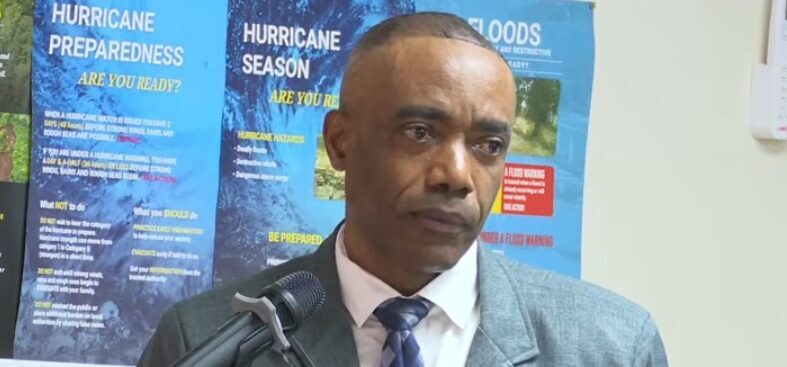
In the wake of a high-profile, shocking homicide that shook the Caribbean nation of Dominica, the country’s top national security official has unveiled a sweeping new initiative to prioritize the mental and professional wellness of frontline police officers. National Security and Legal Affairs Minister Rayburn Blackmoore made the announcement during an August 13, 2026 press briefing held at the Dominica Police Force Headquarters, where he also shared an official update on the ongoing investigation into the killing of 16-year-old Jerbiah Paul, who was murdered by Jean Luc-Rudy Langlais, a former officer with the Commonwealth of Dominica Police Force.
Blackmoore outlined that the core of the new reform is the creation of a specialized, standalone department within the police force dedicated exclusively to monitoring, evaluating and bolstering both the social and professional well-being of all serving officers. The minister noted that the ministry has already completed negotiations to bring a full-time licensed psychologist onto the police force’s permanent staff, framing the addition of this specialized role as a critical first step toward addressing the unique mental and emotional strains that come with law enforcement work.
Repeatedly emphasizing the gravity of challenges that officers face daily, Blackmoore pointed out that the inherent nature of policing exposes personnel to consistently high levels of occupational stress and traumatic incidents. Without timely, professional intervention, these pressures can escalate to unmanageable levels, creating risks not just for individual officers but for public safety as well, he explained. To prevent that outcome, sustained, accessible professional support is a non-negotiable need for the force.
Beyond adding mental health support, Blackmoore also stressed the value of building out a dedicated confidential personnel support function within the new department. He acknowledged that many police officers experience discomfort when sharing personal or emotional struggles with their chain of command and senior leadership, preferring to discuss sensitive issues with an independent, impartial professional who is not part of their daily work hierarchy. The new structure is designed to accommodate that need, offering a private, judgment-free space for officers to seek help without fear of career repercussions.
For Blackmoore, the ultimate goal of this reform is clear: by expanding access to targeted, confidential professional support, the government can protect the psychological and emotional stability of the men and women serving in the police force, and ensure that wellness challenges do not progress to the point of permanent damage.