More than a decade after a devastating disease outbreak nearly wiped out shrimp farming operations across Belize, the nation’s once-struggling shrimp industry has staged a remarkable comeback, with its market valuation climbing to nearly $25 million and production tripling since 2020. The sharp turnaround has been powered by targeted private investment, advanced genetic improvements in shrimp stock, and the adoption of cutting-edge agricultural technology that is reshaping how small and large-scale producers operate.
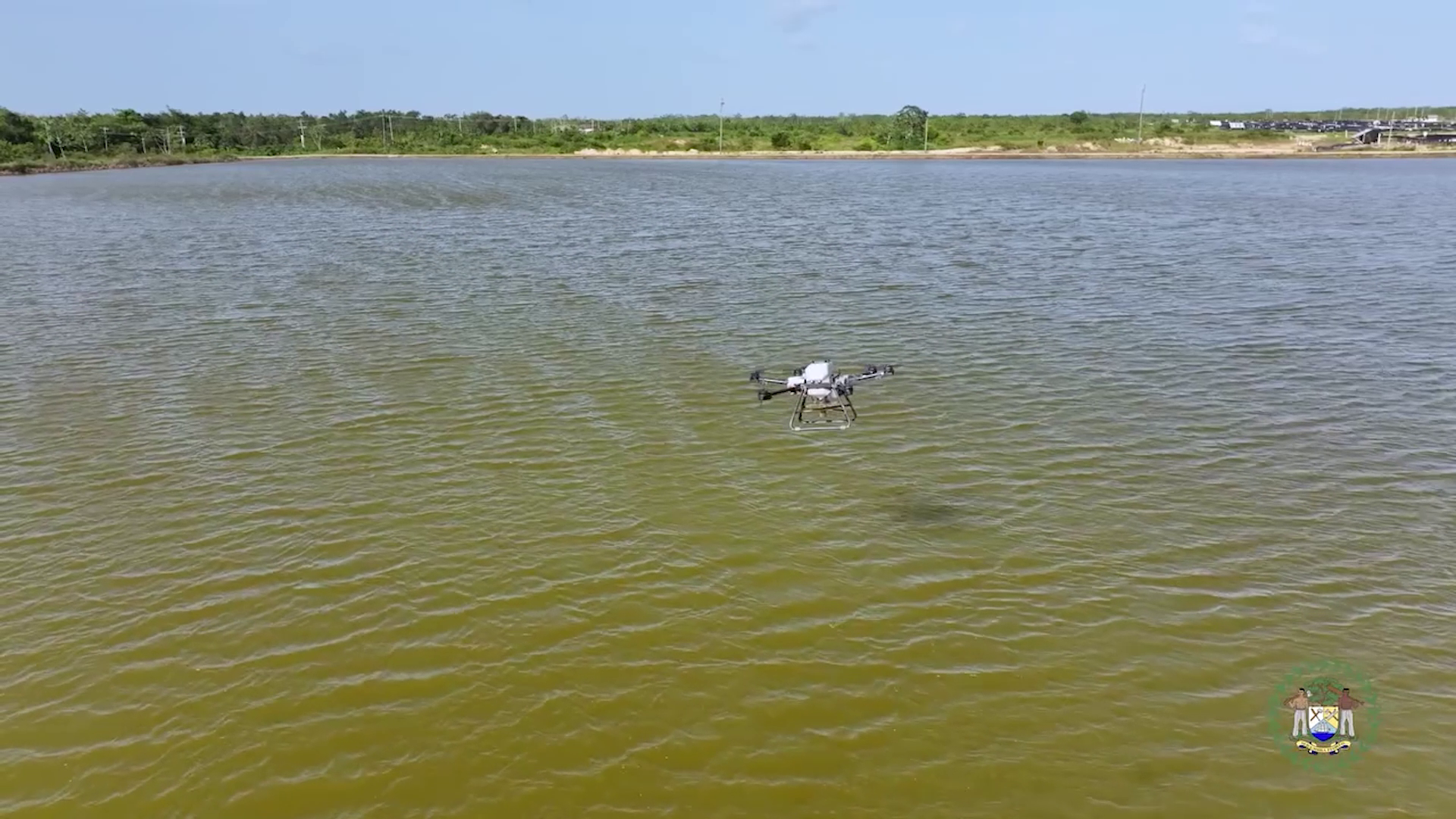
On August 11, 2026, Belize’s Minister of Agriculture Rodwell Ferguson conducted an on-site tour of two leading industry operations: Aqua Vista Shrimp Hatchery and Aqua Mar Belize, to see first-hand the innovations driving the sector’s recovery. During the tour, industry leaders highlighted one particularly transformative change: the integration of drone technology into daily feeding operations for large aquaculture ponds. Where traditional manual feeding once required 90 minutes of labor for a single 20-acre pond, drones now complete the same task in just three and a half minutes, drastically cutting labor costs and reducing operational downtime for producers.
In an interview following the tour, Ferguson emphasized that this combination of technological modernization and improved shrimp survival rates is removing key barriers that kept former producers out of the sector for years. “When we visited Aqua Mar, the producer showed me exactly how drone feeding has revolutionized their operations,” Ferguson explained. “Technology is solving persistent labor shortages in the shrimp industry, and as we continue to bring down shrimp mortality rates, more and more former farmers are reconsidering getting back into shrimp farming. This is the sustainable path forward for our aquaculture sector.”
The adoption of drone technology for agricultural production is not limited to Belize’s shrimp industry, either. The Belize Marketing and Development Corporation has recently rolled out drone support programs for rice farmers working in the southern Toledo and Stann Creek Districts, marking a broader push to modernize the nation’s agricultural sector through digital innovation. Industry observers note that the shrimp industry’s successful rebound serves as a model for other agricultural subsectors across the country, demonstrating how targeted technological adoption can help sectors recover from existential shocks and build long-term resilience.