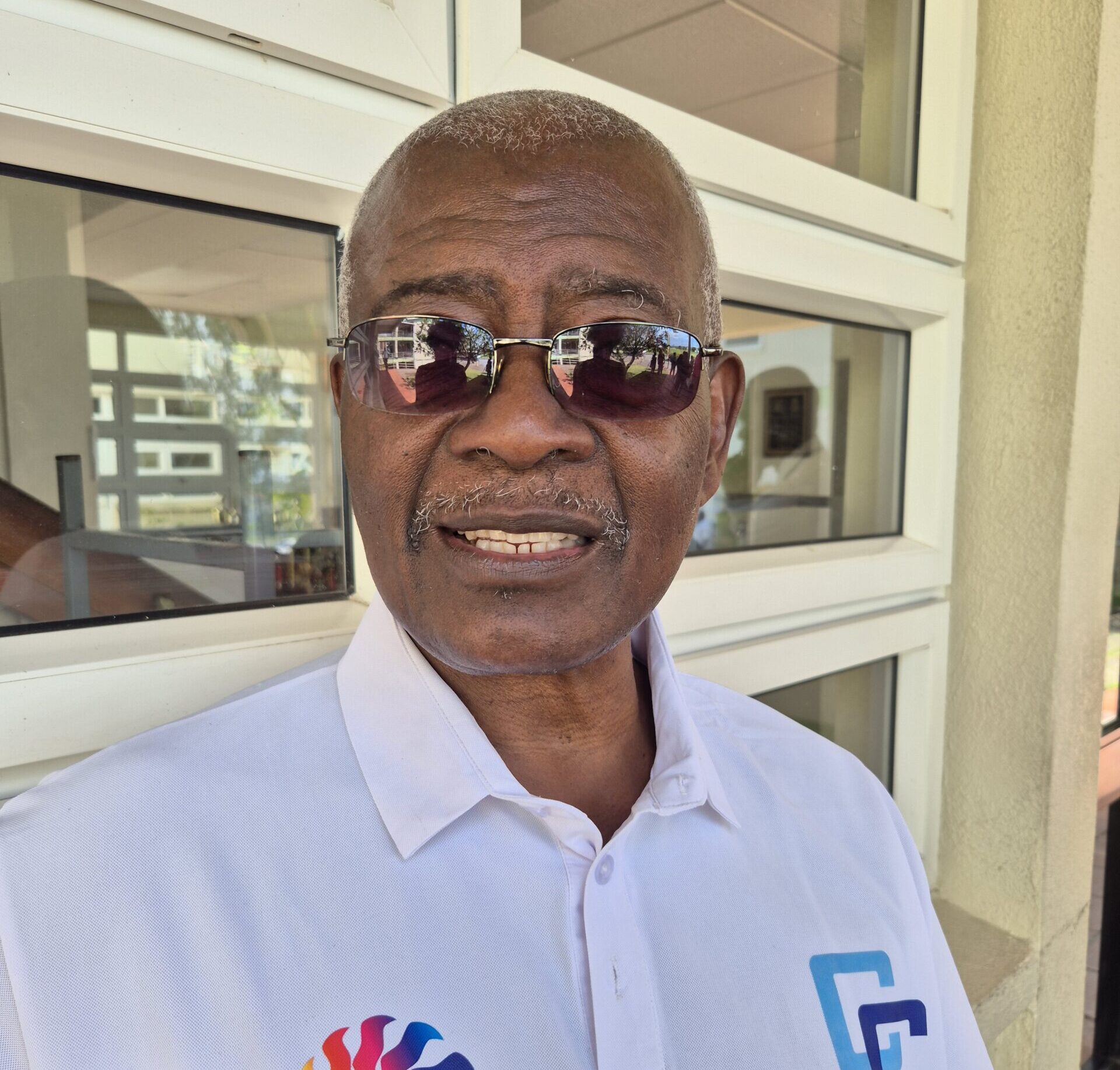
A damning new annual report from Barbados’ independent government watchdog has laid bare widespread public service dysfunction, revealing that complaints were filed against nearly two-thirds of all state agencies in 2025, prompting a series of urgent recommendations to overhaul accountability, transparency and service delivery across the civil service.
Presenting his 2025 annual findings to Parliament, Ombudsman Rev Dr Nigel Taylor outlined that the scope of public dissatisfaction is far-reaching: official complaints were registered against 70 percent of all public service organizations in the country. While many agencies received only one or two grievances, nine departments attracted five or more formal complaints, with three agencies accounting for the bulk of concerns. The Barbados Revenue Authority topped the list with 43 complaints, followed closely by the National Insurance and Social Security Service (NISSS) with 33, and the Ministry of Education Transformation with 15. Other agencies with five or more complaints include the Barbados Police Service (11), Barbados Prison Service (7), People Resourcing and Compliance Barbados (7), Planning and Development Department (6), Grantley Adams International Airport (5), and the National Housing Corporation (5).
As an independent statutory officer, the Ombudsman’s core mandate is to investigate grievances against government agencies and departments, facilitating fair and impartial resolution of disputes between members of the public and the state. In his report, Taylor emphasized that unaddressed public service inefficiencies pose more than just an inconvenience: they erode public trust in government, damage civil service staff morale, and create long-term risks to Barbados’ social, economic and political stability.
To tackle these systemic issues, Taylor has put forward a targeted package of reforms, starting with a comprehensive public sector human resource audit. The audit will specifically examine patterns of unfair workplace practices, including unauthorized supercession, untransparent non-promotion decisions, and inconsistent grievance handling, with the stated goal of advancing enhanced human resource fairness across the civil service. Taylor also called on policymakers to improve transparency around promotion processes by requiring clearer communication of criteria to all staff, a step designed to reduce widespread perceptions of bias in career advancement.
Central to Taylor’s recommendations is a push to embed accountability and transparency as core values of the civil service. One key proposal requires all public agencies to publish regular public reports that detail the volume of complaints received, the rate at which complaints are resolved, and the specific reform measures agencies have implemented to address recurring issues. Taylor also suggested adding structured citizen feedback mechanisms, such as regular client satisfaction surveys, to complement the complaint data collected by his office, giving the public more opportunities to weigh in on service quality.
Taylor further recommended that the government strengthen existing legislative frameworks to enforce compliance with minimum service delivery standards, alongside building out more robust internal complaint resolution systems within agencies. He pointed to existing successful models already in use by high-complaint agencies: he proposed expanding dedicated communication channels across all major public bodies, modeled on NISSS’ established email update channel and the Barbados Revenue Authority’s dedicated team meetings to share Ombudsman case updates.
The Ombudsman also called for systemic investment in institutional learning and professional development across the civil service. He urged policymakers to embed targeted training into the existing Performance Review and Development System (PRDS) to close documented performance and knowledge gaps among staff. Additionally, Taylor recommended cross-agency mapping of organizational mandates to create structured cross-training and knowledge-sharing opportunities, breaking down bureaucratic silos that hinder effective service delivery and foster institutional learning across the public sector.
Finally, Taylor pushed for a widespread cultural shift toward greater public responsiveness across all government agencies. He called for regular joint review meetings between the Ombudsman’s office and agencies with the highest volumes of complaints, following the successful collaborative model already established with the Barbados Revenue Authority. He also insisted that the government operationalize formal public service charters that clearly outline citizen rights, agreed service standards, and agency obligations to the public. To improve access and efficiency, Taylor added that the government must expand and strengthen ongoing monitoring of e-governance platforms, which have become a primary channel for public service delivery in recent years.
In closing his report, Taylor noted that the recommended reforms are designed to both advance and streamline public service delivery for all Barbadians, addressing systemic gaps that have contributed to widespread public dissatisfaction.