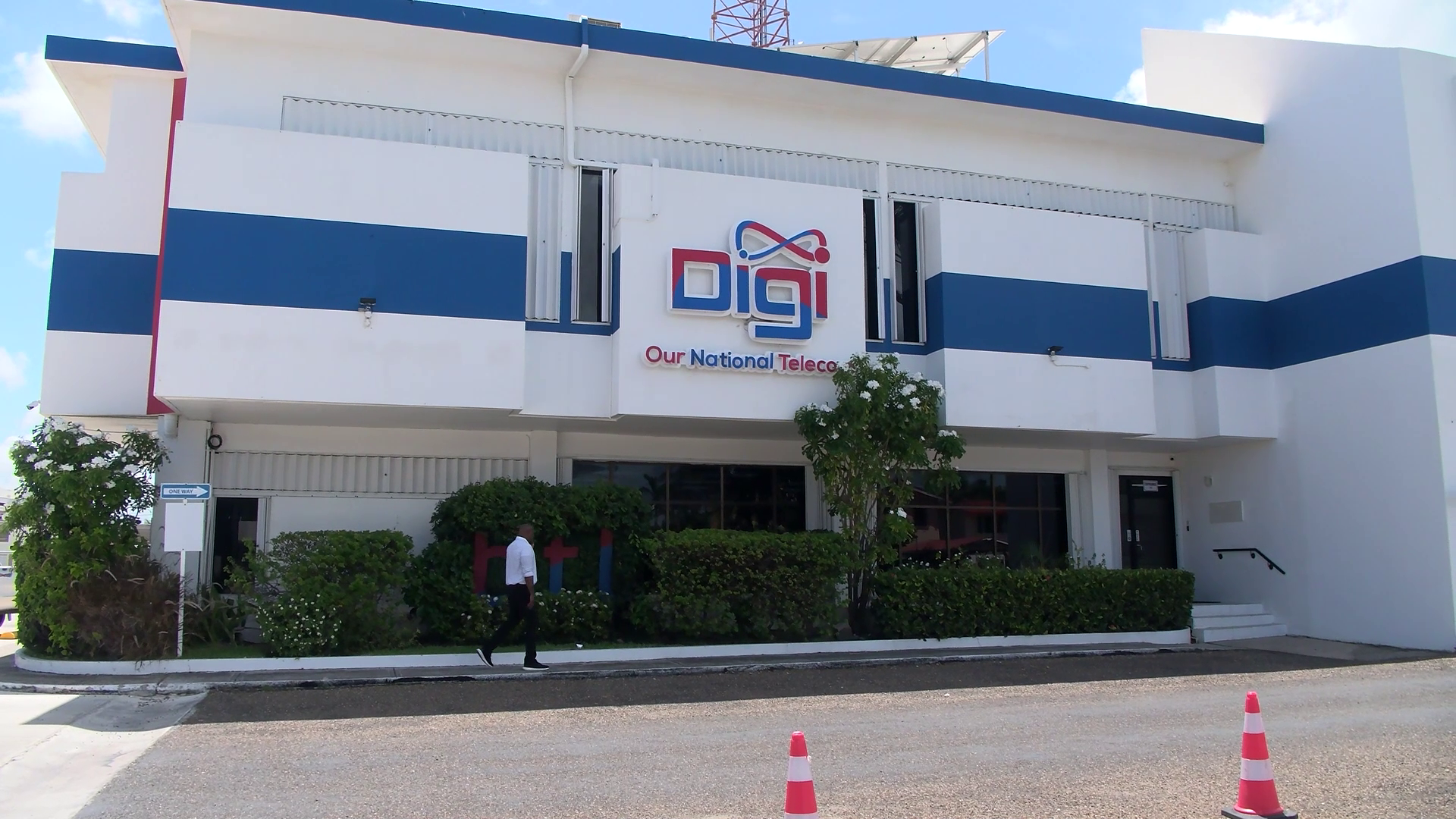
On August 11, 2026, one of Belize’s most debated corporate acquisition proposals moved from public discourse to the highest level of domestic governance, as top Cabinet ministers gathered to hear direct testimonies from the three key entities involved in the planned BTL-Speednet buyout.
The meeting, held at Belmopan’s Sir Edney Cain Building, included presentations from Belize Telemedia Limited (BTL), the nation’s primary telecommunications provider, the Public Utilities Commission (PUC), the government body charged with regulating public service industries, and the Social Security Board (SSB), one of the major stakeholders with financial interests in the transaction. Local media outlet News Five was on location to cover the closed-door discussions, and secured interviews with BTL’s top leadership immediately after the sessions concluded.
Markhelm Lizarraga, Chairman of BTL, told reporters that the company’s presentation was centered on addressing pre-existing concerns raised by Cabinet members and pushing back against what he characterized as widespread misinformation about the deal that has circulated in public discourse.
“Cabinet had quite a few concerns, particularly around the misinformation that certain groups have been spreading through media outlets, and we came to directly address those points,” Lizarraga explained. He emphasized that the acquisition remains an ongoing process, with BTL’s board of directors voting to continue in-depth due diligence after reviewing preliminary details of the proposal. “We are still on that path of due diligence, and we still have a long way to go before any final agreement is reached,” he added.
Lizarraga noted that the team also addressed ongoing regulatory concerns raised by the PUC, particularly around market competition, the role of mobile virtual network operators (MVNOs), and public fears that the consolidation would lead to higher consumer prices and anti-competitive behavior by BTL. According to Lizarraga, the company has put in place concrete mechanisms to alleviate these worries, including a binding three-year moratorium on rate increases. Any future price adjustments after the three-year period will require full public justification to regulators, he confirmed.
Beyond freezing rates, Lizarraga argued that market consolidation would actually lead to long-term price reductions for consumers, driven by operational efficiencies that eliminate redundant costs. A key example he cited was the elimination of interconnection fees that BTL and Speednet’s parent company Smart currently charge one another to route traffic between their networks. “These efficiencies will translate to real savings for consumers, higher dividend payouts for shareholders, and improved working conditions and benefit packages for BTL workers,” he said.
The meeting marks a key milestone in the review process for the high-stakes acquisition, which has drawn public debate over its potential impact on Belize’s telecommunications market, consumer costs, and regulatory oversight.